
Commercial fridge repair in Aurora
A commercial refrigerator can still be running while chilled stock is no longer being held as expected. Another unit may stop, show an alarm or develop a temperature difference between sections. CooperFix provides commercial fridge repair in Aurora, assessing the actual refrigeration equipment before recommending a component or a course of work.
The service covers commercial chilled-storage cabinets, refrigerated displays and the systems connected to them. Describe the unit and what has changed in its normal use. Staff do not need to decide whether the problem is a sensor, fan, compressor or refrigerant condition before requesting a visit.
Report the affected commercial refrigerator clearly
Give CooperFix the Aurora service address, affected equipment, observed change and contact who can provide access.
- Directions to the integral or remote condenser, controls and electrical disconnect and the authorized access contact
- Setpoint, shelf or rail temperature, controller message, door closure, condensation and fan sound, with the time observed
- Equipment label, make and model when safely visible
Request commercial fridge service in Aurora
Repeated resets are not a substitute for assessment. Include a phone number and email address for service coordination.
From a fridge complaint to a defined service task
Begin with the full Aurora address, a contact number and the location of the affected refrigerator. A brief account of the change is more useful than a presumed part name. CooperFix uses the equipment and access details to discuss the service request and arrange the next step.
For an Aurora refrigerator, identify the cabinet or display section and the first observed change. The steps below connect that account with the site access and technical assessment needed for this installation.
Identify the chilled equipment
Give a model or equipment label if it is accessible, or describe the refrigerator’s position. Say whether the condition affects the whole unit, one shelf area or one section of a larger display. Include when staff first noticed it.
Make the installation accessible
Confirm the site contact and any access arrangement for a remote condenser or electrical disconnect. The technician may need to inspect equipment beyond the visible cabinet. Tell CooperFix about a restriction beforehand rather than moving fixed equipment to create access.
Review the finding and scope
The technician relates the operating complaint to measured conditions and explains the proposed work. Confirm what can be completed during the visit and what depends on another component, further investigation or a return appointment. Keep that distinction in the service record.
Large chilled-storage and display arrangements
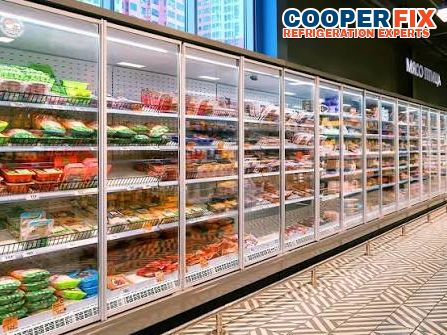
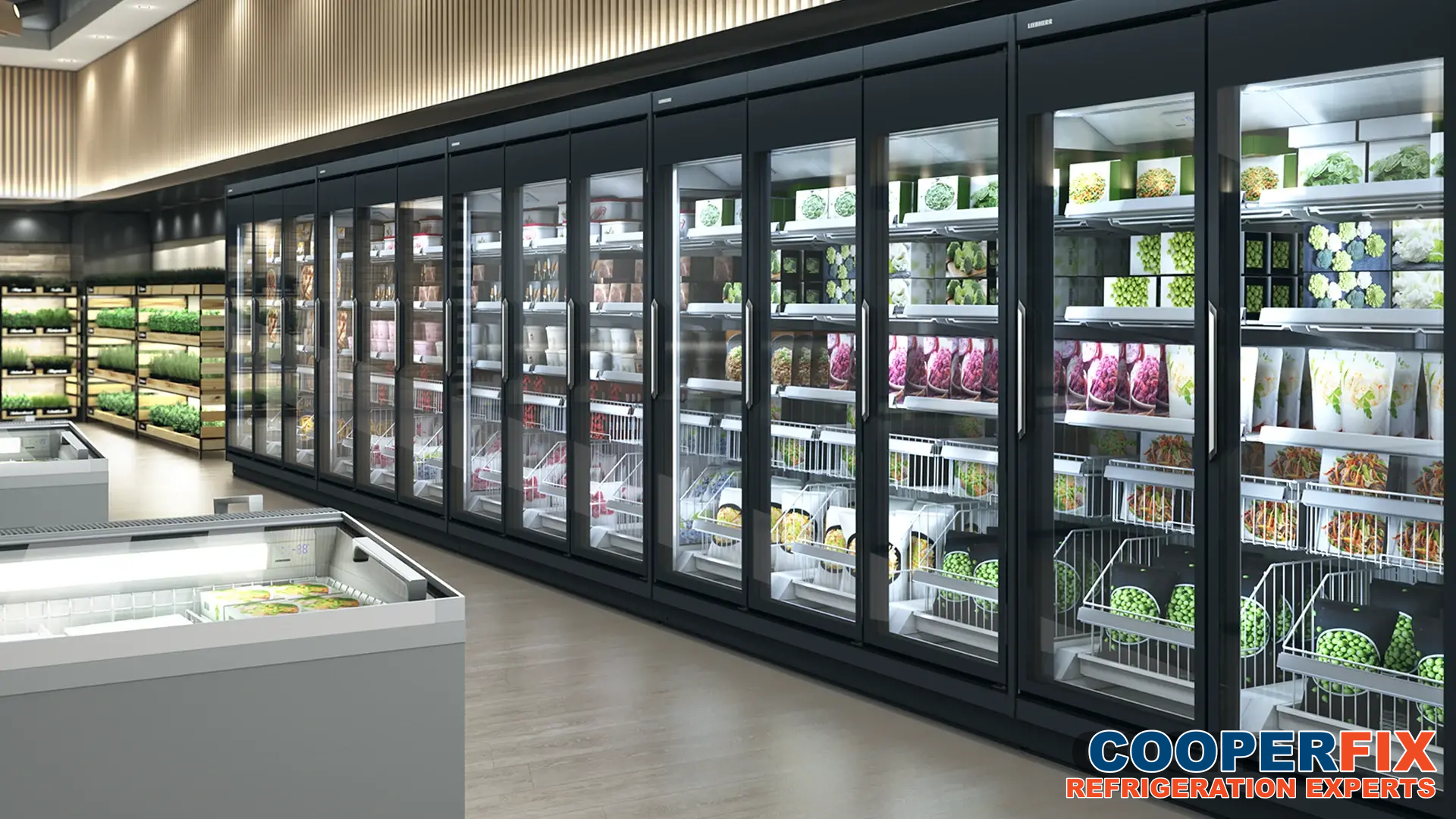
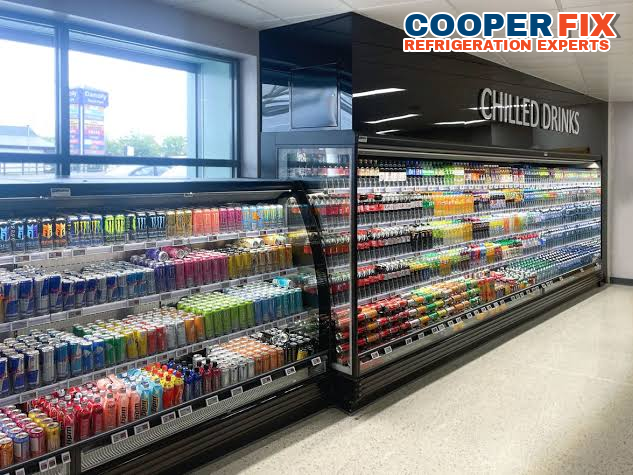
A commercial fridge installation may be a single cabinet or a much larger refrigerated display. Its construction and connected equipment influence how a symptom is investigated. The photographs show equipment arrangements, not a particular model installed at the Aurora address receiving service.
Glass-front refrigerated rooms
A large glass-front installation combines customer-facing display access with a refrigerated storage space. The technician establishes which refrigeration equipment serves it and whether the reported change affects the complete space or a specific area. The service assessment follows that refrigeration system and its controls.
Long food-display installations
Along a long refrigerated display, one warm section can be overlooked when the main controller appears normal. Identify the position of the affected stock and whether neighbouring sections behave differently. Air movement, sensors and the refrigeration arrangement must be checked before those observations can be turned into a repair recommendation.
Multi-section beverage refrigeration
Beverage refrigeration can experience frequent access and repeated loading during ordinary business use. Explain whether the temperature change follows loading, persists during quieter periods or affects only part of the installation. The technician considers that pattern alongside the condition of the system rather than assuming ordinary use explains the fault.
Fridges served by remote equipment
A refrigerator can depend on a condensing unit away from the sales or storage area. A service visit may therefore involve both locations. Identify the connected unit when known and arrange access through the responsible person; a cabinet-side symptom alone does not establish where the problem originates.
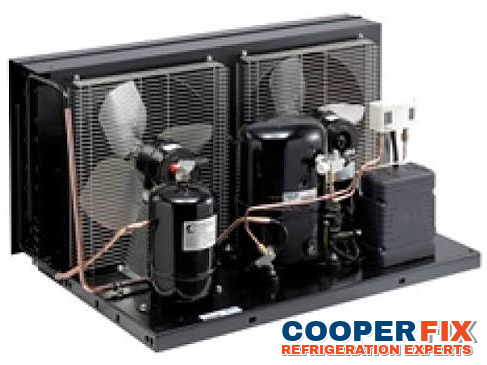
CooperFix at work: tracing a chilled-storage complaint
For an Aurora fridge service visit, CooperFix begins by identifying what the refrigerator is expected to do and how its current behaviour differs. Chilled storage, beverage display and other commercial display arrangements do not necessarily use the same control layout. Establishing the installed arrangement prevents a reading from one device being treated as a complete diagnosis.
The investigation connects the relevant temperature measurements with airflow, fan operation, control inputs and refrigeration performance. Where the equipment includes remote components, those components remain part of the system being assessed. A proposed repair should address a finding that has been established on that installation.
Save an alarm message, a time-stamped reading or an existing temperature log when available. Explain whether a setting was changed or the unit was reset before the call. This history can be especially useful if the symptom is intermittent and the refrigerator is behaving differently when the technician arrives.
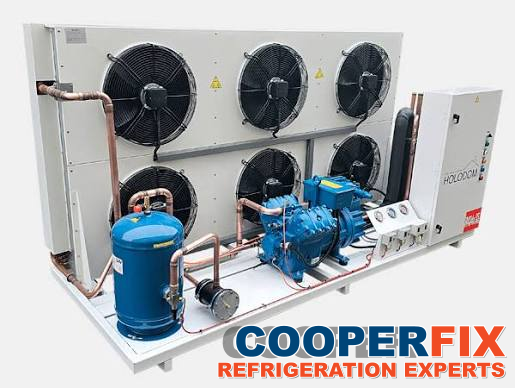
Keep observations available for the technician
State the building, suite, equipment label and route to any remote components. Point out known controls, disconnects and remote components without opening protected equipment.
Commercial fridge repair, maintenance and replacement
The right scope depends on the fridge’s condition and intended use. CooperFix explains the technical findings so a current repair, a maintenance requirement and a replacement proposal are not treated as the same task.
Restore operation through a confirmed repair
A repair may involve an electrical component, sensor, control, fan or another part of the refrigeration system. The component is selected from the diagnosis and equipment information, not simply from the description ‘not cooling’. The service record should identify the fault addressed and the operating checks made after the work.
Assess condition during planned maintenance
A maintenance visit considers how the refrigerator operates, its accessible refrigeration components and any previously recorded concerns. Tell the technician about a gradual change that staff have adapted to, such as longer running periods or inconsistent conditions between sections. Those observations can matter even when the unit has not stopped.
Compare repair with replacement needs
Replacement planning starts with the condition of the existing equipment and the chilled-storage or display function it must provide. Component availability and previous service history can affect the proposed scope. A different cabinet arrangement can also change access, operating requirements and the work needed to put the replacement into service.
Commission the refrigeration installation
Following refrigeration-system installation or replacement, the technician checks the operating arrangement against the intended application. Controls, electrical connections and the connected refrigeration components are considered together. The site contact should understand what has been commissioned and whether any further work or operating observation remains outstanding.
A normal display reading does not answer every temperature complaint
A normal display reading does not answer every temperature complaint
The controller senses conditions at its installed sensor location. Staff may notice a change elsewhere in the cabinet or display before that difference is obvious on the screen. Explain where the problem is being observed and how it was measured. A reading from another instrument should be identified as such, with its position and the time recorded.
A normal display reading does not answer every temperature complaint: operating context
The technician compares the complaint with the refrigerator’s controls and relevant measurements. Changing the setpoint repeatedly can make the history harder to interpret. Report any setting changes already made, including whether they altered the behaviour, rather than treating a lower setting as evidence that the underlying condition has been corrected.
Uneven cooling calls for a location-specific description
A warm end of a display, a particular shelf area and an entire refrigerator losing temperature are different complaints. Mark the affected location clearly for the technician and describe whether the pattern stays in the same place. If other sections appear normal, include that observation without assuming they are served by independent refrigeration equipment.
Uneven cooling calls for a location-specific description: operating context
Air circulation and the arrangement of stored product can influence conditions, while fan, sensor and refrigeration problems can produce overlapping symptoms. The investigation needs to separate those possibilities. Provide the ordinary loading pattern and any recent change in use, but leave the identification of a failed component to the assessment.
Describe where and when water appears
Water near a commercial refrigerator is an observation, not a diagnosis. State whether staff see it inside the storage area, below the cabinet or near a visible drain arrangement. Explain when it appears and whether a temperature, alarm or running change occurs at the same time. Mention whether the condition is limited to one point or appears along several parts of the cabinet.
Follow the business’s procedures for controlling a slippery or unsafe area. A photograph from a normal safe position may preserve the condition, but staff should not reach behind fixed equipment or open an electrical compartment to trace it. CooperFix determines which refrigeration or drainage checks are relevant to the installed unit.
Protect chilled stock and keep an unsafe area controlled
Explain which chilled goods or display function depend on the affected Aurora refrigerator and whether a suitable alternative unit is available. If water makes the surrounding area slippery, follow the business procedures for controlling access. Record where the water appears and whether it coincides with a storage-temperature change, without assuming a particular drainage or refrigeration fault.
The business remains responsible for monitoring and product-handling decisions while the technician assesses the refrigerator. Keep a controller reading separate from a reading taken among the stored goods, with source and time attached. CooperFix explains equipment findings and any limitation of the technical assessment; a temporary return to a normal display value does not by itself establish earlier storage conditions.
Explain the fridge’s role and arrange access
Identify the affected refrigerator within the Aurora property and explain the chilled-storage or display function it serves. If another suitable unit is available, mention it as part of the business impact, not as a conclusion about repair urgency. Provide the contact who can admit the technician and discuss the equipment. If several display sections are present, name the section where the complaint first appeared.
If connected machinery is elsewhere, describe its known location and any access restriction. The business remains responsible for its product-handling and monitoring procedures while CooperFix assesses the refrigeration equipment. Staff need not move fixed equipment or investigate protected assemblies to prepare the visit. Existing equipment records can be supplied when available without delaying the initial service request.
Link the completed work to the correct refrigerator
Keep the unit’s location or equipment label with the confirmed finding and work completed. Similar cabinets at one property can have different histories; a service record should make clear which refrigerator was attended. Note any component, further investigation or return visit still required.
If the unit later behaves differently, record the new symptom and the period of operation since the visit. The former finding should inform the next assessment without dictating its conclusion. Continue the business’s existing monitoring and stored-product procedures separately from the technical service record.
Commercial fridge service information for Aurora
These answers explain the scope of a commercial fridge request and how to prepare for assessment. The technician determines the relevant work from the installed equipment and current findings.
Does CooperFix assess large refrigerated displays in Aurora?
Yes. Describe the display arrangement, the section affected and any temperature or alarm change. CooperFix assesses the commercial refrigeration equipment serving it, including relevant controls and connected components. Access may be needed beyond the visible display.
What if the fridge is running but the stored product area feels warmer?
Report where the change is being noticed, when it began and any readings already recorded. Include whether the controller display changed as well. The technician compares those observations with the installed sensor arrangement, airflow and refrigeration conditions.
Should I change the temperature setting before requesting service?
A setting change does not identify the cause of a cooling complaint. Tell CooperFix the current setting and any changes already made, along with their effect. The technician evaluates the controls and operating condition during assessment.
Can a fridge with remote condensing equipment be assessed?
Yes. Identify the refrigerator and the remote unit when known, and explain how authorized access can be arranged. CooperFix considers the connected system rather than limiting the assessment to the cabinet or customer-facing display.
What details are helpful when water appears near the refrigerator?
State where the water appears, when it is noticed and whether another symptom occurs at the same time. Keep the area controlled under the business’s safety procedures. Do not move fixed equipment to investigate before the visit.
Can I include another commercial refrigerator in the request?
Yes. Give the other unit its own location, label and description of the problem. Say whether the changes began together. Separate observations help the technician assess the units without carrying a presumed fault from one to another.
How do I request urgent commercial fridge service?
Call (647) 483-3777 with the Aurora address, the fridge’s condition and the effect on the business. Provide the contact who can arrange access. CooperFix reviews the request and discusses the available next step.
Request commercial fridge service in Aurora
Call CooperFix with the Aurora service address, affected unit and contact who can provide access.
Emergency calls are received and assessed 24/7. Availability and response depend on location, workload and the repair required.
Send the Aurora service details
State the building, suite, equipment label and route to any remote components.