Commercial refrigeration equipment maintenance · Toronto & GTA

Commercial Refrigeration Maintenance in Toronto & the GTA

Commercial refrigeration maintenance gives a business a measured view of the equipment it relies on before a failure interrupts operations.

A walk-in cooler, freezer, display case and reach-in unit cannot be assessed from one generic checklist; they work at different temperatures and have different controls, fans and refrigerant circuits. CooperFix provides scheduled maintenance for commercial refrigeration equipment in Toronto and the GTA. Our mechanics review the agreed equipment list, assess each system under its operating conditions, document findings and explain where a repair decision is needed. Request a commercial refrigeration maintenance visit through the form or call (647) 483-3777.

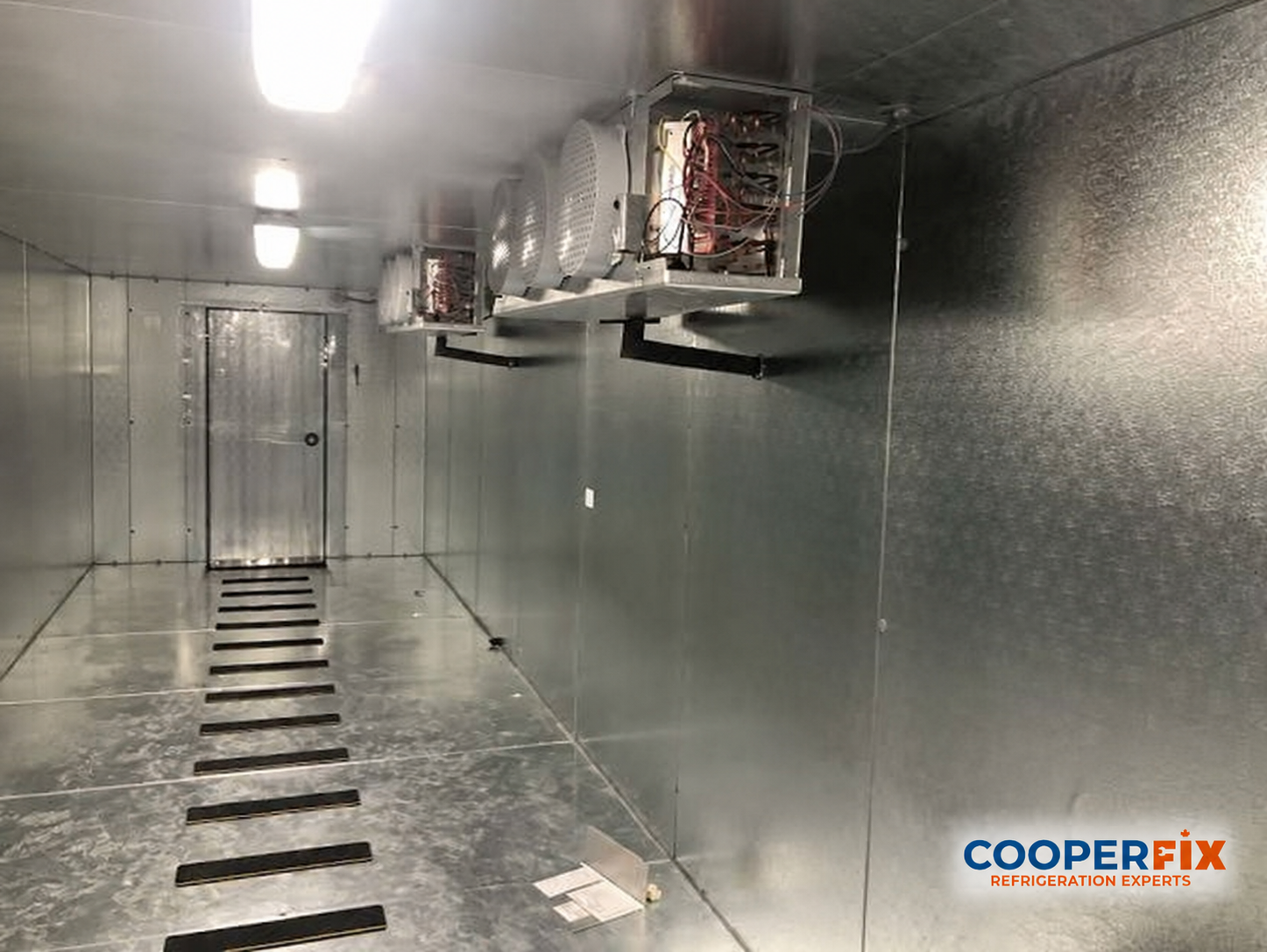
Large walk-in cold room with ceiling-mounted evaporator equipment
Commercial refrigeration equipment covered by maintenance visits.CooperFix · Toronto & GTA
Service request

Book Refrigeration Equipment Service

647-483-3777

    Please prove you are human by selecting the plane.

    CooperFix services commercial refrigeration equipment only.

    What this service covers

    The value is a baseline for each unit

    A business may have many units that appear to be running. Their condition can still differ. One unit may recover slowly under its normal load; a walk-in evaporator may have a fan drawing too much current; a controller may report a temperature that does not represent the product area. A maintenance visit establishes what the equipment is doing at that time. CooperFix records operating observations and relevant measurements so a later change can be interpreted against a baseline.

    The baseline is equipment-specific. A freezer’s defrost and fan-delay sequence is not the same as a chilled cooler’s. A display case has airflow and product-area considerations that differ from a storage room. A self-contained unit has different access points from a remote system. The mechanic identifies the installed arrangement before selecting the checks. This prevents a completed checklist from being mistaken for evidence that the actual refrigeration system has been assessed.

    Comparable conditions make a maintenance visit useful

    A scheduled visit records how equipment is operating at the time the mechanic can observe it. CooperFix relates readings to the installed unit and its normal business use, rather than treating one number as a universal pass mark. A walk-in room after receiving stock and an idle display case present different conditions. The distinction helps a site understand what the visit established and which changes should be investigated at a later service call.

    What the mechanic examines during operation

    CooperFix assesses temperature behaviour, the call for cooling, fan operation, electrical condition and refrigerant-side performance as appropriate to the equipment. The mechanic compares the controller’s reading with independent measurements where a discrepancy matters, and looks at how the system starts, runs and stops under the available conditions. Compressor and fan motors, contactors, protective devices and controls are assessed in the context of the unit’s actual sequence.

    On a remote installation, the relationship between the evaporator and condensing equipment is important. A shared condensing unit may serve more than one area; a local fan or valve fault can affect only one branch. The mechanic documents which equipment was assessed and how the relevant components responded. The service account identifies the operating conditions observed, the measurements taken and the developing issues found. Future loads can be evaluated against that record.

    A separate history for each refrigerated unit

    When several units share a location, the visit should not collapse them into one generic maintenance result. CooperFix identifies the equipment inspected and keeps the observations connected to that unit or circuit. The record can show that one freezer needs a repair assessment while adjacent refrigeration is operating differently. That equipment-level history is useful to a business planning future service without assuming that every unit has the same condition.

    Different equipment creates different maintenance priorities

    Walk-in refrigeration brings the evaporator, fans, refrigerant feed and remote condensing arrangement into view. A freezer adds low-temperature defrost and drainage components. Commercial fridges and freezers may concentrate the circuit inside one unit. Display cases need attention to the distribution of cooling through their product area. CooperFix adapts the visit to the equipment rather than repeating the same checks for each item.

    The agreed equipment list matters as much as the service date. A site may add units, retire a case or replace a condensing unit between visits. Maintenance records should identify the actual units and relevant changes. If one item is outside the agreed list, the business can decide whether to add it. A precise inventory helps prevent a later fault from being confused with a unit that was never included in the maintenance scope.

    Fans, airflow and heat rejection

    A fan can still turn while its performance declines or its electrical condition changes. Restricted airflow at an evaporator can create uneven cooling or frost; reduced airflow at a condenser can limit capacity during a busy period. CooperFix checks the fan motors and operating conditions relevant to the unit, and looks for evidence that heat is being transferred and rejected as intended. The interpretation depends on the equipment and the load present during the visit.

    Maintenance findings distinguish a condition that can be addressed within the agreed visit from a part that requires a separate repair. For example, an electrical measurement may indicate a motor or start component needs more investigation. The mechanic explains the evidence and the consequence for that equipment. The business can then authorize the correct next step rather than assuming that any fan noise calls for a complete unit replacement.

    Controls, sensors and defrost

    Controllers and probes can drift, fail intermittently or be set for an operating sequence that no longer matches the equipment. CooperFix compares indicated and observed conditions and evaluates the response to a call for cooling. Where the unit has defrost, the mechanic assesses the applicable sequence and components within the visit scope. A freezer that cannot terminate defrost or restart fans correctly has a different risk from a chilled unit with a local sensor issue.

    The record identifies settings or readings that matter to later service. A change made during a visit is documented against the equipment and reason for it. Programming should not be altered simply because another site uses different values. If a control problem is confirmed, CooperFix explains whether adjustment, component repair or a separate controller installation is appropriate.

    Refrigerant performance and confirmed leak work

    Low capacity may be associated with a leak, but it can also follow a restriction, airflow problem or condensing condition. CooperFix uses appropriate operating measurements to distinguish these possibilities. The mechanic reviews pressure and temperature relationships where access and equipment design allow. A maintenance visit does not turn every small variation into a refrigerant top-up; the circuit should be assessed before any charge decision.

    If evidence points to a leak, locating and repairing it is a defined repair scope. The business receives the finding and the proposed next step. Refrigerant leak repair involves circuit work and verification that may be separate from the scheduled visit. Keeping those stages clear prevents a maintenance report from implying that a failing circuit has already been restored.

    Findings that belong in a repair request

    Maintenance can expose a developing fault, but a scheduled visit and an approved repair are separate scopes of work. If measurements or operation show a specific problem, CooperFix explains which equipment is affected and what further diagnosis or repair is recommended. The business can then authorize that service with a clear description of the finding. This keeps routine maintenance records useful without presenting an unperformed repair as completed work.

    What the business receives after a visit

    A useful maintenance record identifies the equipment checked, the date and conditions, the measurements and observations that matter, and any developing fault. CooperFix explains which item requires attention now, which merits monitoring and which remained within the observed operating condition. If a component needs repair or replacement, the recommendation names the equipment and the evidence, not only a generic risk label.

    This helps businesses plan around their own product, staffing and budget decisions. A retailer can distinguish a sales-area case issue from a walk-in storage issue. A site with several rooms can understand whether a finding concerns one evaporator or common condensing equipment. The business decides how to act on a recommendation; CooperFix supplies the refrigeration assessment and performs approved repair work when requested.

    When several recommendations appear in one report, they should be prioritized by the evidence and effect on the equipment rather than by a generic label. A stopped fan on a primary storage unit, a developing control discrepancy on a secondary unit and an uncertain reading that needs another operating condition are different findings. CooperFix explains which issue is confirmed, which system it affects and what work would establish or correct it. The business can then make its own operational and financial decisions with a clear technical basis.

    On the next visit, the prior record helps the mechanic assess whether a condition has changed. A repeated fault should not be copied forward as an unchanged note without determining whether action was authorized and whether the equipment has deteriorated. If a component was repaired between visits, the maintenance record should reflect the new configuration. This continuity is one reason detailed unit identification matters more than an isolated checklist with a date and signature.

    CooperFix · Refrigeration Experts

    Maintenance findings tied to each installed unit

    20+Years of experience
    313AMechanic
    ODP/ODSCertified
    Emergency

    Emergency calls during a maintenance program

    A maintained system can still fail without warning, and a unit climbing with stock inside is an emergency call: 647-483-3777. Emergency calls are received and assessed 24/7. Availability and response depend on location, workload and the repair required. Scheduled maintenance visits stay on the calendar and are booked through the request form.

    Service request

    Request a Maintenance Survey

    Plan maintenance for the commercial refrigeration equipment carrying your daily stock. Tell CooperFix which walk-ins, units or display systems are included, and a mechanic will define a visit around their installed condition.

    647-483-3777

      Please prove you are human by selecting the star.

      CooperFix services commercial refrigeration equipment only.

      Plan visits around access to working equipment

      Commercial equipment is often in use throughout a maintenance appointment. CooperFix coordinates access to the units included in the agreed scope and records which checks can be made under the available operating conditions. If an installation has several locations or cannot be assessed fully during one visit, the record distinguishes completed checks from work still needed. The business receives an accurate account rather than a blanket claim about equipment that was not examined.

      Maintenance and an active failure are separate paths

      Scheduled maintenance is designed for operating equipment. If a unit is already warm, stopped or repeatedly tripping, it needs commercial refrigeration repair rather than a visit described as routine maintenance. CooperFix can use the maintenance history to inform the diagnosis, but the present fault still has to be measured and corrected. A prior normal record does not rule out a new failure.

      For businesses with several units and ongoing needs, a commercial refrigeration maintenance program can define the equipment list, schedule, visit scope and report format. A single maintenance visit and a program agreement are distinct choices. CooperFix’s Ontario 313A licensed mechanics perform commercial refrigeration work. CooperFix brings 20+ Years of Experience to planned commercial refrigeration maintenance; if separate repair work is authorized, the 90-Day Parts & Labour Warranty applies under its terms. The scope of a maintenance visit is agreed separately.

      Maintenance also differs from the commissioning of a newly installed unit. A commissioning record establishes how the equipment responded at startup; later maintenance asks whether that same system still operates as intended after normal use and any site changes. CooperFix can compare the two records when they exist. If a unit or walk-in system has been modified, the mechanic assesses the current configuration and notes what the old baseline can no longer prove. This keeps a maintenance recommendation attached to the equipment actually in service.

      Questions

      Commercial refrigeration maintenance questions

      What happens during a commercial refrigeration maintenance visit?

      The mechanic identifies the agreed units and assesses their operation under the conditions available at the site. Checks may cover temperature response, fans, controls, electrical condition, defrost and refrigerant-circuit performance as appropriate to each system. The report identifies what was observed and any repair need. If a unit cannot be operated or accessed during the visit, that limit is recorded and a suitable follow-up can be discussed.

      Is every unit given the same checklist?

      No. A walk-in freezer, chilled room, self-contained unit and display case have different components and operating sequences. CooperFix adapts the checks to the equipment and records which units were actually included. The equipment list and visit scope are agreed with the business.

      Can maintenance identify a problem before the unit stops?

      It can reveal a developing condition such as a weakening fan motor, control discrepancy or reduced capacity under observed load. CooperFix documents the evidence available at the visit and recommends a repair decision where the condition warrants one. Later performance depends on the equipment’s continued operation.

      Does the visit include repairs automatically?

      The agreed maintenance scope determines what is included. A confirmed fault that needs parts, circuit work or a separate service visit is explained for business approval. The report should distinguish maintenance findings from completed repairs so the equipment status is clear.

      Will CooperFix add refrigerant during maintenance?

      A charge decision follows assessment of the actual circuit. Low capacity does not by itself prove a leak or justify a top-up. If a leak is confirmed or suspected, CooperFix defines the appropriate diagnosis and repair work before presenting the system as restored.

      How do you use controller readings in the assessment?

      The controller shows the condition at its sensor. The mechanic may compare that value with independent measurements and evaluate whether the controls and equipment respond as intended. A display alone does not prove the condition throughout a unit or walk-in room.

      What is the difference between this page and a maintenance program?

      This page explains the technical maintenance visit across commercial refrigeration equipment. The program page explains how a recurring arrangement is defined: equipment list, visit frequency, records, repair authorization and changes to the site. Both rely on checks suited to the actual units.

      What should a business provide to request maintenance?

      A location, contact information and a general description of the refrigeration equipment are enough to begin. CooperFix can establish the detailed equipment list and appropriate scope with the business. Customers are not asked to take refrigerant readings or diagnose components before requesting service.