
Commercial freezer repair in Innisfil
If a reach-in, upright or undercounter freezer starts letting product soften, or a frozen display case shows rising readings, describe the change to CooperFix along with its effect on trading. Our technicians visit Innisfil businesses to assess commercial freezers on site.
An Innisfil freezer request should identify the exact cabinet and describe what changed during its normal use at that property. Keep controller alarms, temperature readings, frost location and door behaviour as separate observations for the technician.
Tell us about the commercial freezer that needs attention
Start with the business address, an on-site contact and the freezer type: reach-in, undercounter, display or storage cabinet. Describe what staff noticed. When several freezers are affected, list each on its own line and say which one puts the most frozen stock at risk.
- Current freezer readings, product condition, frost pattern, alarm history, fan behaviour and recovery time
- Manufacturer label details, if readable without moving the cabinet
- Where the freezer and any separate condensing unit sit
Request commercial freezer service in Innisfil
Provide a phone number and email address where CooperFix can confirm the equipment, site and access details.
What happens after you contact CooperFix
Freezer service begins with the notes staff collected, then the technician examines the cabinet and the refrigeration components that keep it frozen.
Describe what changed
Staff observe from outside the cabinet and open no electrical or refrigeration parts. Log freezer readings, alarm codes, ice buildup, pooled water, new noises and longer compressor running. If a controller or breaker was reset, name it and the outcome.
Confirm the address and access
Give the full street address in Innisfil, any unit or suite, and who will greet the technician. Mention whether the freezer’s condensing unit is on a rooftop or in a locked corridor, and whether a landlord, property manager or neighbouring tenant controls entry.
Review the diagnosis and next step
After the freezer and its connected components are tested, the technician explains the fault, work completed, available repair choices, any parts to order and whether a follow-up visit is needed. Recommendations are based on the measurements and conditions found on site, not the reported symptom alone.
Commercial freezer equipment we service in Innisfil
To prepare the Innisfil commercial freezer visit, treat similar warm readings in two freezers as separate diagnostic questions. Tell us which reach-in, undercounter unit or display case is affected and where any separate condensing unit sits. Model details, layout and symptom behaviour guide what the technician inspects first.

Upright commercial freezer cabinets
Identify the upright freezer, its intended setting and the readings from each affected compartment. Add loading, door-use, fan-sound and frost observations with times. This operating history helps the technician evaluate recovery and compare the display with the installed equipment.
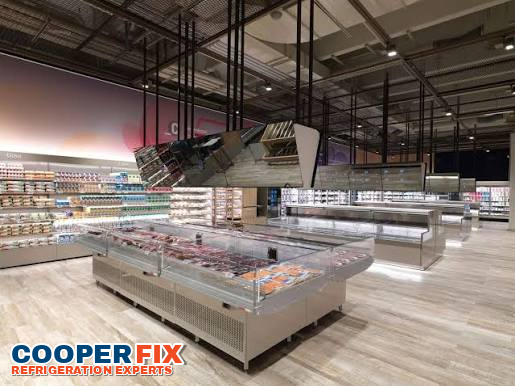
Horizontal frozen-food display equipment
Give the site label for the horizontal display and name the well or section that is warming. Describe the temperature trend, water, frost and nearby compartments. Keep marked airflow areas clear and do not lift a grille or open a refrigeration panel.
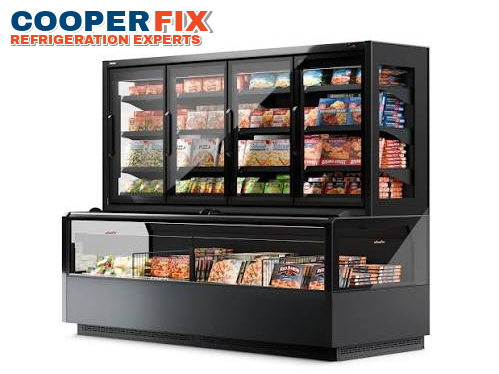
Glass-front frozen-food display cabinets
Record the glass-front case or door section, measured temperature, alarm, frost pattern and any change in running time. List similar cabinets separately rather than assuming one shared cause. Testing in place determines whether their symptoms are actually connected.
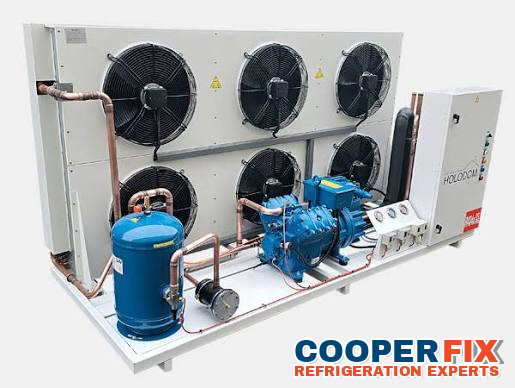
Condensing equipment serving commercial freezers
Tell CooperFix where the freezer’s condensing equipment is located and how it can be reached. Include recent defrost behaviour and safe observations of sound, cycling or extended operation. The cabinet and the connected unit must both be available for diagnosis.
How the technician follows the commercial freezer beyond the first symptom
Soft product in a freezer case does not prove the fault starts inside the cabinet. The technician begins by checking how that freezer is set up, then traces its evaporator fans, controls, wiring, drain and refrigeration circuit.
The technician starts with temperature records, controller codes and what staff noticed. At the freezer, checks cover air circulation, cabinet closing, ice buildup, the drain, evaporator fans, sensors and the defrost cycle. Where needed, testing then moves on to the condenser, compressor, electrical controls and sealed refrigeration circuit.
Testing the whole freezer system keeps the recommendation from resting on one sign. You learn what failed, what was done, which parts or return trips remain and which readings staff should watch afterward.
Low-temperature systems work with a larger difference between the cabinet and the surrounding room than refrigerators. A small loss of refrigerant or a slightly restricted condenser therefore has a bigger effect on a freezer, and the technician takes that into account when interpreting measurements.
Arrange access to the complete system
Your team can log readings, alarm codes and behaviour changes without removing covers or using test instruments. Beforehand, make sure the freezer, its disconnect and any separate condensing unit can be reached, and name the person who will review the findings.
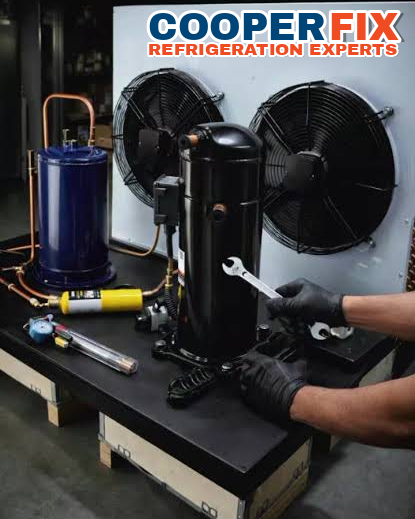
Common commercial freezer faults and how repair recommendations are made
What we suggest next depends on the freezer’s age and condition, its daily workload and the results of testing.
Temperature and recovery problems
Report the freezer’s setpoint, timed readings and recovery after ordinary loading or door use. Air circulation, defrost, controls, electrical conditions and the refrigeration circuit can produce the same complaint. The technician tests these possibilities before recommending work.
Frost, defrost and drainage
Describe frost and water by location and time, including what occurs before and after a normal defrost. Fans, heaters, probes, controls and the drain path are checked as a sequence. Staff should observe only from outside closed service panels.
Electrical and control faults
Preserve the exact alarm and state whether a fan stopped or a protective device tripped. Report any reset already attempted, but do not repeat it. The technician checks the control response, electrical circuit and related refrigeration operation at the freezer.
Recurring faults and replacement planning
Previous service provides context when it includes the date, completed work and period of normal operation. The present freezer still requires a new assessment. Its duty, capacity, electrical supply, age and condition support any later repair or replacement decision.
A drain line that freezes can stop meltwater from leaving the cabinet after defrost. The water then refreezes on the coil or the cabinet floor, and the technician checks the drain path and any drain-line protection as part of the defrost assessment.
Fan motors in freezers operate in cold, sometimes frosty conditions and can fail by slowing gradually. A fan that still turns but moves less air may not be obvious, so the technician checks air movement and fan current rather than relying on a quick look.
Information Innisfil businesses should provide before a refrigeration visit
Before a technician travels to an Innisfil property, CooperFix needs to know what kind of business operates there, which freezer is affected and how the fault is disrupting work. Add the observations staff made, how rising temperatures affect frozen stock and service, and the name of whoever can arrange entry.
Mark the affected freezer section
Name the door, drawer, shelf or case segment where staff first noticed a change. Say whether adjacent sections show the same reading or visible condition.
Preserve controller information
Copy the displayed alarm exactly and note the time it appeared. Report any acknowledgement or reset already performed rather than repeating it for troubleshooting.
Report frost as a location pattern
Describe the first visible point and spread of frost around the interior, door or drain area. Leave removal and component access until the installed system is assessed.
State the actual product response
Explain whether site staff moved product, closed the unit or applied another established procedure and when that occurred. Do not turn that action into a claim about the freezer’s fault.
Record observations without opening the equipment
Check the freezer display against your usual thermometer and record both readings with the time. Mention if the cabinet had just been opened or restocked with a delivery. A photo of the rating label helps, but only when taken without shifting the freezer or removing a cover.
Leave a breaker or safety control alone if it trips again instead of resetting it repeatedly. Tell CooperFix which device was reset, how often and what followed. That record helps plan electrical and control testing without cycling a device that already stopped the equipment.
Note the temperature of product in the warmest area as well as the air reading. Frozen product changes temperature slowly, so a product reading shows how long the problem has been developing, while the air reading shows what is happening now.
For a display freezer in a customer area, note how often it is opened during busy periods and whether lids are left open. Frequent openings add moisture and warm air, which helps the technician explain frost and long recovery times.
Use your food-safety procedures while service is being arranged
Calling for repair does not replace the business’s own food-safety procedures. Keep checking freezer temperatures, and relocate frozen stock once your food-safety lead decides the cabinet cannot hold it properly. Limit openings where you can and keep product clear of the evaporator fan and return-air grille.
Should meltwater, loose ice or an electrical hazard make the space around the freezer unsafe, move staff and customers away. Describe the hazard when calling so access and site risks can be planned first.
Arrange access to every part of the affected refrigeration system
Send the full Innisfil address and unit, freezer location, known remote-equipment position, access instructions and the contact authorized to enter a roof or secured room. Distinguish the correct cabinet from nearby units, identify the disconnect and keep a safe route to the normal service side.
If safe, clear boxes and loose stock from around the freezer, but leave fixed equipment in place. Someone on site should stay reachable to show which cabinet is affected, repeat what staff saw and hear the findings.
Confirm what was found, what was repaired and what still needs attention
Before the technician leaves, ask what fault was found, what was completed, what more is advised and whether a part or another visit is needed. Confirm the freezer is running, which readings or behaviour staff should watch and who receives the written service report. Also ask whether any step taken was temporary or a finished repair.
Keep the freezer’s model and serial data, alarm messages, temperature logs and service report together. If trouble returns, provide the prior visit date, work performed and the new symptom. Compare the same cabinet points through ordinary loading and record recovery, visible frost and any new alarm before clearing it.
What to know before requesting commercial freezer service
These answers explain which freezer details help with scheduling and what to expect from the visit. The technician must assess the installed commercial equipment before confirming a repair.
Will CooperFix repair low-temperature storage cabinets at Innisfil businesses?
Commercial freezer repair requests are accepted for Innisfil business locations. List the affected reach-in, undercounter freezer, display case or storage cabinet, together with temperature history, controller message and operational risk. The technician must inspect the installed equipment before selecting the repair.
What should staff note when a frozen cabinet drifts above its setpoint?
Record room or cabinet readings, product condition, frost, alarms, fan operation, defrost timing and recovery. State when the change started, whether one section or the whole freezer is affected and what loading or door use occurred. Continue the site’s established food-safety procedures while service is being arranged.
Is frost inside the cabinet enough to pinpoint the faulty part?
Not on its own. Ice can form from weak airflow, frequent openings, a defrost or drain problem, controls or the refrigeration circuit. Note its location, photograph it if safe and keep electrical and refrigeration covers closed.
What should an Innisfil business share to schedule a freezer visit?
Send the street address, unit or suite, an on-site contact, entry hours and where the freezer stands. Note locked areas, roof access, parking or delivery limits, security sign-in or a property manager who must approve the visit.
May we list all our troubled freezers in one request?
Yes. Name every affected freezer and where it stands in a single request, and point out which fault puts the most frozen stock, prep work or customer-facing displays at risk. CooperFix looks at the whole job while recording the symptoms of each cabinet separately.
Which photos and label details help CooperFix prepare for a visit?
A clear shot of the rating plate, the controller screen and the whole freezer helps if taken without shifting the cabinet or removing a guard. Such images help us identify the equipment and plan the visit, but cannot show which part failed.
If a repaired freezer fails again, what service details should we share?
Share the previous service date, the work completed and how long the freezer operated normally afterward. Then describe the current symptom and when staff first noticed it. The technician uses that history as background but tests the present complaint without assuming the earlier fault has returned.
Request commercial freezer service in Innisfil
Tell us the address, the failing freezer, its present temperature or alarm, the frozen product at risk and who can let a technician in. If it cannot wait, phone (647) 483-3777.
Commercial Refrigeration Repair in Innisfil Commercial Freezer Repair service overview
Emergency calls are received and assessed 24/7. Availability and response depend on location, workload and the repair required.
Send your Innisfil service request
Describe the affected equipment and provide the Innisfil service address.