Freon leak repair · Toronto & GTA

Commercial Refrigeration Freon Leak Repair & Refill in Toronto & the GTA

A commercial refrigeration system does not use up its refrigerant in normal operation.

When a leak reduces the charge, adding more refrigerant without correcting the source leaves the business exposed to another loss of cooling. CooperFix diagnoses and repairs leaks in the refrigeration circuits of commercial fridges, freezers, walk-ins and other supported equipment across Toronto and the GTA. The service begins by confirming the equipment and locating the leak, then determining the sound repair for the affected component. After repair, the circuit is tested, prepared and charged according to the equipment specification. If a unit has been recharged before but is warming again, call (647) 483-3777 or request a professional leak assessment.

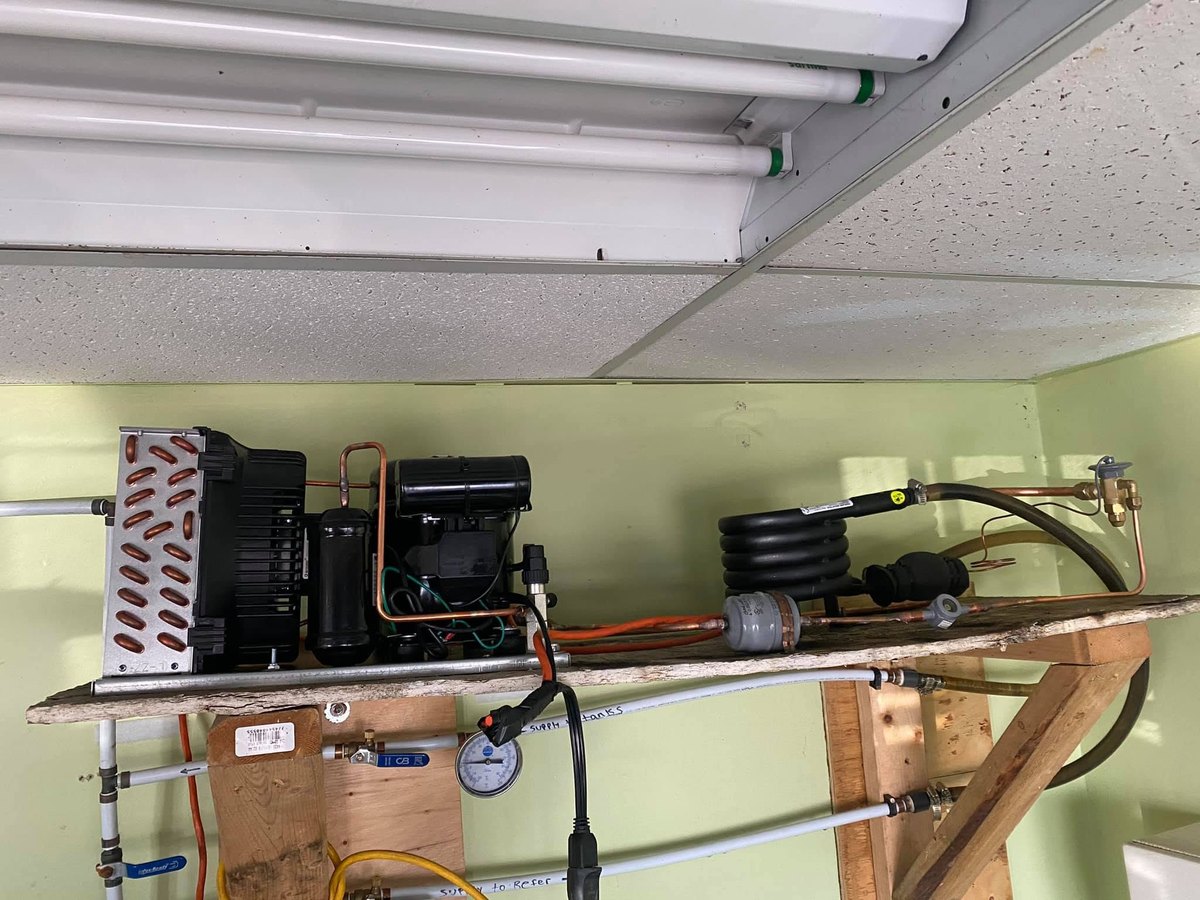
Manifold gauges connected to a condensing unit
Manifold gauges connected to a condensing unit.CooperFix · Toronto & GTA
Service request

Book Leak Repair Service

647-483-3777

    Please prove you are human by selecting the flag.

    CooperFix services commercial refrigeration equipment only.

    What this service covers

    A low charge is a finding, not a complete repair plan

    Reduced refrigerant charge can limit capacity, change the evaporator’s behaviour and leave a commercial unit unable to recover under normal load. Those operating changes can point toward a leak, but similar symptoms also arise from airflow, defrost, restriction and control faults. CooperFix confirms the refrigeration circuit’s condition and investigates the source before recommending leak repair. A pressure reading alone does not identify the opening in a circuit, and a warm unit alone does not establish that refrigerant is missing.

    The distinction matters for a business that has already paid for repeated additions of refrigerant. Each temporary improvement may disappear as the charge escapes again, while the original defect remains. CooperFix treats the request as a cause-finding and repair job. The mechanic explains whether a leak was found, where it is, which component is involved and what work is appropriate. If the diagnosis points to a different fault, the recommended repair should change accordingly. The purpose is to restore a sealed operating system, not to sell a top-up as the finished service.

    Where a commercial circuit may lose refrigerant

    Compact units and service fittings

    Reach-in fridges, prep tables and self-contained merchandisers place joints, fittings and the condensing assembly in a compact space. Vibration, previous service work or ageing components can affect a connection. Access fittings and valve cores also require attention because they form part of the sealed circuit. CooperFix checks suspected points using methods suited to the system rather than assuming every leak is at a service port. A fitting can be repaired or replaced only after its condition and accessibility are established.

    Remote piping and connections

    A walk-in or display system may have a remote condensing unit connected by a longer line set. A leak can occur at a joint, valve or section of piping exposed to vibration or contact with surrounding structure. The mechanic traces the circuit and isolates suspected sections where appropriate. A visible oil trace may guide the search, but it is not a complete test of the system. Once the defect is identified, CooperFix determines whether the section can be repaired soundly or requires replacement and support to prevent the same mechanical stress recurring.

    Evaporators and other circuit components

    An evaporator coil, valve or other refrigerant-carrying component can also leak. The decision between an accessible localized repair and replacement depends on the component’s condition, the position of the leak and whether the remaining material is sound. Multiple weak points can change that decision. CooperFix explains the reason for the chosen scope. The presence of a leak does not automatically mean the compressor or every connected part must be replaced; other damage is assessed on its own evidence.

    Prior refrigerant additions are part of the service history

    If a circuit has been recharged before and its performance has declined again, CooperFix treats that history as a reason to investigate the cause of refrigerant loss. A prior addition does not identify the leaking joint, line or component. The mechanic assesses the installed circuit and uses appropriate professional leak-location methods before proposing repair. This gives the business a path beyond another temporary change in charge and helps distinguish a confirmed leak from a different capacity problem.

    How the leak is located

    The mechanic identifies the system configuration and refrigerant designation from the equipment information. Operating measurements show whether the circuit behaves as a low-charge system and whether another fault may be involved. Electronic detection, bubble testing, pressure testing and isolation of sections may be used as appropriate to the equipment and access. The goal is to locate an actual loss point, not just establish that performance is poor. On a larger circuit, a systematic search prevents a convenient visible fitting from being declared the sole cause while another section is still leaking.

    Leak location is also a repair-scope decision. A service fitting, accessible connection, piping run and coil present different work. CooperFix considers whether the component can be restored reliably and whether the repair will address the reason it failed. An isolated reading or one test method may need confirmation. The mechanic can then explain the options supported by the circuit’s condition before the system is opened for repair.

    Isolating the affected branch on a connected site

    Some commercial sites have more than one evaporator or refrigerated area served by related equipment. A change in one area can therefore have a local cause or involve a common refrigerant circuit. CooperFix maps the affected branch and the connected equipment before defining where leak testing and repair are needed. The work plan follows the actual system configuration, so a business is not told that every unit needs the same intervention because one area has warmed.

    Repair, test and recharge as one service

    Once the leak is identified and the repair scope is agreed, the refrigerant is handled in accordance with the equipment and applicable requirements. CooperFix repairs or replaces the affected component as indicated. The repaired section and the wider circuit are then checked for tightness using a suitable method. If the circuit has been opened, the mechanic prepares it for operation, including evacuation and relevant component replacement where indicated, before charging with the refrigerant specified for that equipment. The amount and verification method follow the system design and manufacturer information rather than a universal number copied from another unit.

    Charging is the final part of restoring a sound circuit. The mechanic checks the operating conditions after charging and evaluates whether the unit is recovering. Superheat, subcooling, pressures, temperatures and current draw can be useful where the system design makes them applicable, but no single value proves that every part of every system is correct. CooperFix interprets the readings together and checks for a continuing leak at the repair. A system that still underperforms may have a separate fault requiring its own diagnosis; adding more refrigerant would not correct that.

    Why the exact refrigerant matters

    “Freon” is a familiar search term, but commercial refrigeration equipment uses different specified refrigerants. CooperFix identifies the designation and relevant charge information for the actual unit before circuit work. The refrigerant type affects how the system is handled, charged and evaluated. A name on a service request cannot replace the equipment’s own data, and one unit’s charge quantity cannot be assumed for another. This is particularly important on sites with a mix of older units, newer self-contained cases and remote walk-in systems.

    The mechanic also considers the circuit’s configuration. A compact self-contained unit and a remote multi-component system can respond differently to the same visible loss of cooling. Work must be based on that equipment, its refrigerant and the observed defect. CooperFix’s ODP/ODS certification and commercial refrigeration focus support this controlled approach, while the actual repair decision remains site and equipment specific.

    Business consequences of an unresolved leak

    A continuing leak can leave a site with recurring warm stock, unpredictable recovery and repeated interruptions to the work that depends on the unit. A food-service operator may shift product between units, while a retailer may lose usable display space. A walk-in system may seem to improve after attention and then deteriorate again as the charge is lost. CooperFix explains the fault in operational terms: which equipment is affected, what was found and what the repair addresses. That gives a manager a clearer decision than another short-lived recharge.

    The service also separates the confirmed leak from possible secondary damage. A system that has been operated with insufficient refrigerant may have other performance problems, but those must be tested. The mechanic tests for secondary damage on the affected equipment. If the equipment has multiple issues, the business can understand the immediate leak repair and any separate work needed to restore reliable operation.

    CooperFix · Refrigeration Experts

    A leak repair backed by a verified finding

    20+Years of experience
    313AMechanic
    ODP/ODSCertified
    Emergency

    An active leak and an urgent service request

    A recurring loss of cooling can affect more than one unit when cases share a refrigerant circuit. Emergency calls are received and assessed 24/7. Availability and response depend on location, workload and the repair required.

    Service request

    Request leak repair

    Provide the business location, the type of refrigeration equipment and a short account of the cooling problem. If a previous contractor added refrigerant or the fault has recurred, that history can help CooperFix plan the assessment. The mechanic identifies the refrigerant and uses professional circuit tests to locate and confirm the fault. Call (647) 483-3777 or use the service form to request commercial refrigerant leak repair in Toronto or an approved GTA service area.

    647-483-3777

      Please prove you are human by selecting the heart.

      CooperFix services commercial refrigeration equipment only.

      Leak repair on the right equipment page

      This page is for the leak-detection and circuit-repair service itself. A business with a general unit fault may begin with commercial fridge repair or commercial freezer repair, where the full range of faults is explained. Walk-in cooler and freezer pages address their distinct room systems, including refrigerant problems among other causes. The commercial refrigeration repair overview is useful when several types of equipment are affected at one site. CooperFix determines whether a leak is actually the cause before assigning the final repair.

      What CooperFix verifies before returning the unit to service

      The work is checked at the repaired location and in the system’s operation. A tightness check addresses the leak repair itself. The mechanic then observes the circuit after charging and assesses whether refrigeration performance is returning under the conditions available during the visit. The relevant measurements depend on the system and its controls. For a case with a previous recurring leak, the record of the identified source and corrective work is especially important. CooperFix explains what was verified and whether any separate concern remains.

      CooperFix has 20+ Years of Experience with commercial refrigeration, uses Ontario 313A licensed mechanics and states a 90-Day Parts & Labour Warranty for its work under the applicable terms. Those credentials and warranty do not change the need for a sound leak diagnosis. The repair succeeds by locating the real loss, correcting the appropriate component and establishing the circuit’s operation afterward.

      Questions

      Refrigerant leak repair questions

      Why does a commercial refrigeration system need leak repair rather than another top-up?

      Refrigerant remains in a sealed system during normal operation. If the charge has escaped, an addition cannot restore the seal. The unit may cool briefly and then lose performance again. CooperFix investigates the actual loss point, repairs the affected component, checks tightness and charges the system according to its specification. The finished service addresses the cause of the loss, not only the low-charge symptom.

      Does a warm commercial fridge prove that refrigerant is leaking?

      No. Fan, defrost, control, compressor and other refrigeration-circuit faults can also reduce cooling. CooperFix looks at the equipment’s operation and relevant measurements before concluding that charge has been lost. If a leak is suspected, the mechanic uses appropriate detection and circuit tests to locate it. A repair recommendation follows the confirmed finding rather than the temperature symptom alone.

      Where can a leak occur on a commercial unit?

      Possible locations include accessible fittings, service valves, brazed connections, refrigerant lines and evaporator or other refrigerant-carrying components. The likely search area depends on whether the equipment is self-contained or remote and on its service history. CooperFix checks the circuit and confirms the source. A list of common locations is not a substitute for testing the particular unit.

      Can a leaking evaporator be repaired, or does it need replacement?

      The answer depends on the location of the leak and the condition of the coil. An accessible localized defect on otherwise sound material may support a repair. Multiple weak areas or deterioration across the component may make replacement more appropriate. CooperFix assesses the coil and explains the reason for the proposed work before proceeding. A single rule cannot be applied to every evaporator.

      How does CooperFix determine which refrigerant to use?

      The mechanic uses the equipment’s identification and relevant manufacturer information to establish the specified refrigerant and charge approach. “Freon” in the page title reflects a common search term; it is not a claim that all equipment uses one substance. The actual circuit must be handled and charged for its own design. CooperFix does not infer the refrigerant from the symptom or use another unit’s charge amount.

      What happens after the physical leak is repaired?

      CooperFix checks the repaired section and circuit for tightness. Where the circuit was opened, the mechanic prepares it for operation, including evacuation and relevant component work, then charges it according to the equipment information. The system is run and its performance assessed. The exact checks depend on whether it is a compact unit, walk-in or remote arrangement and on the repair performed.

      Can one service visit address a leak affecting several cases?

      If cases share a refrigeration circuit, one loss point can affect more than one case. If they have separate systems, similar symptoms may have separate causes. CooperFix establishes the actual arrangement and diagnoses the affected circuit. The scope of repair, parts and verification follows what is found, not simply the number of warm cases. Describe the affected equipment when requesting service so the visit can be planned appropriately.

      What should I tell CooperFix when booking a recurring cooling problem?

      Give the location, equipment type, contact information and a brief history of the fault, including any earlier refrigerant addition if known. The fact that cooling improved temporarily is useful context but does not identify the leak. CooperFix performs the technical diagnosis and explains the corrective work. You are not expected to inspect fittings, read pressure gauges or prepare a leak report before booking.