Turbo Air Commercial Refrigeration Repair

CooperFix diagnoses and repairs Turbo Air commercial refrigeration equipment across Toronto and the GTA. Every call starts with the model and serial number from the data plate, the application the unit is used for, the set point it is expected to hold, and what changed before the temperature moved.

Turbo Air builds self-contained commercial refrigeration: reach-in refrigerators and freezers, worktop and undercounter cabinets, refrigerated prep tables, glass-door merchandisers and back bar units. Model designation and series determine which components apply, so the data plate is read before any part is quoted.

Call (647) 483-3777 Book a repair

Turbo Air Equipment We Service

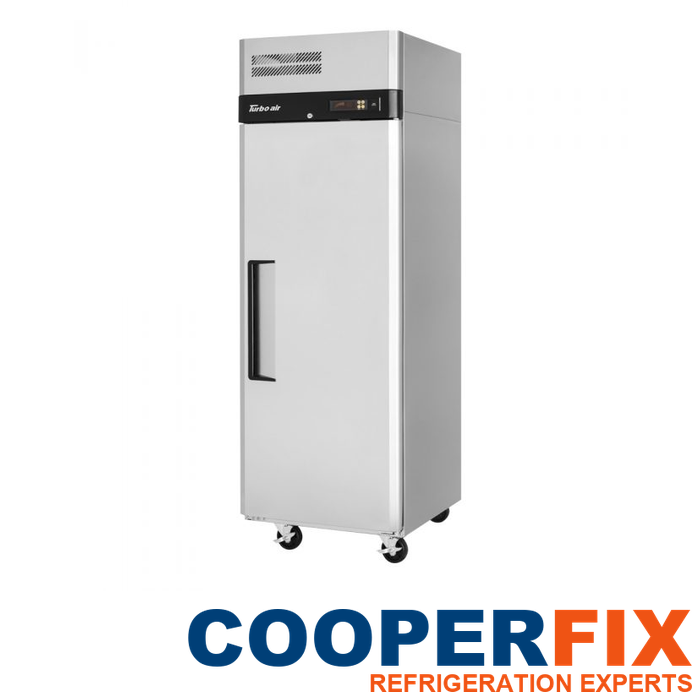
Reach-In Refrigerators and Freezers

Solid-door and glass-door upright cabinets in one, two and three section widths. Self-contained condensing section, forced-air circulation, electronic or mechanical control depending on series.

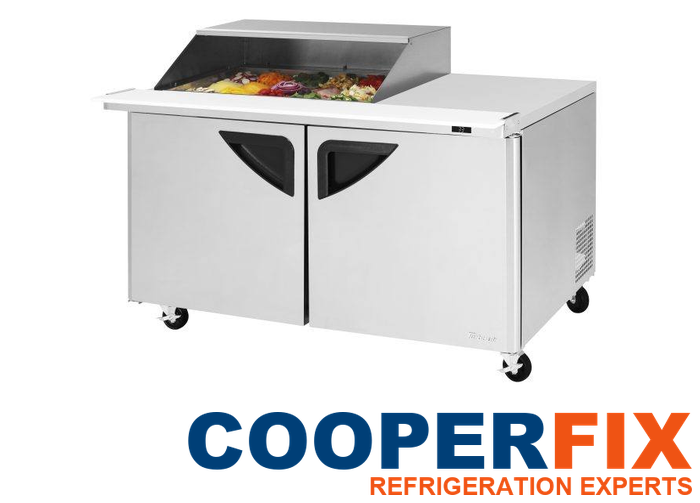
Refrigerated Prep Tables

Sandwich, salad and pizza preparation tables with a refrigerated base and a chilled rail. These carry the heaviest door and lid cycling of any unit in a kitchen, so gaskets, hinges and rail temperature are checked first.

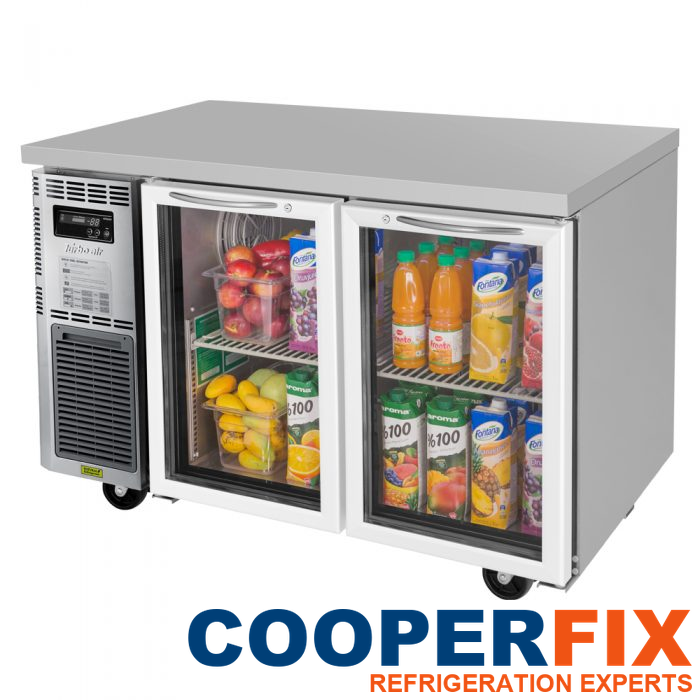
Worktop and Undercounter

Low-height cabinets installed under a work surface or in a bar line. Ventilation clearance is the recurring issue: these units reject heat into a confined space and lose capacity when the air path is blocked.

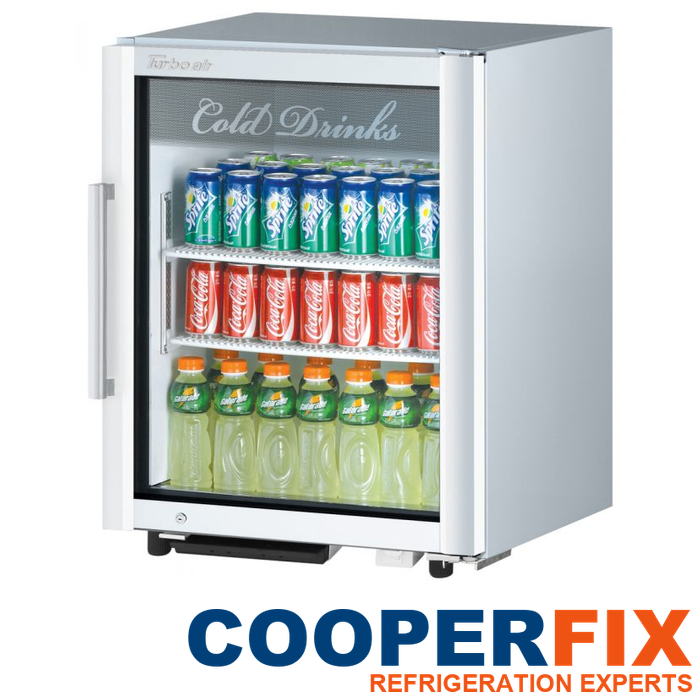
Glass-Door Merchandisers

Display cabinets for bottled and packaged product. Door heaters, lighting, fan operation and glass condensation are assessed together, since one of them usually explains the others.

Back Bar Coolers

Bar-height bottle coolers with sliding or swing doors. High ambient temperature, restricted ventilation and frequent door opening make these the most demanding location in a licensed room.

Open Display Cases

Air-curtain merchandisers used for grab-and-go product. Curtain integrity, night blind use, loading height and defrost operation determine whether the case can hold its rated temperature.

Turbo Air Faults We See Most Often

Self-cleaning condenser device. Several Turbo Air series carry a motorised brush that sweeps the condenser coil. When the motor, brush or its control fails, the coil loads up quietly and the cabinet warms gradually rather than suddenly. This is checked directly rather than assumed.

Condenser loading in kitchen air. Grease-laden air blankets the coil. Head pressure rises, run time increases, and the unit holds temperature until the room gets hot, then stops holding it.

Evaporator fan motor. A stalled or slowing fan produces uneven cabinet temperature and localised frost rather than a uniformly warm box.

Defrost termination and sensor faults. Ice builds on the evaporator, airflow drops, and the symptom presents as a warm cabinet with a cold coil.

Gaskets and hinges on prep tables. A lid or door that no longer seals adds continuous load and frosts the rail end first.

Why the Symptom Is Not the Diagnosis

A warm Turbo Air cabinet can come from door sealing, product loading, condenser condition, a fan, a sensor, a controller, an electrical component or the refrigeration circuit itself. Frost can come from airflow, door use, controls or defrost operation.

Each of those leads to a different repair and a different cost. Measurements and the equipment sequence come before a recommendation, not after it.

What Helps Before We Arrive

  • Model and serial number from the data plate.
  • The temperature the unit is set to and the temperature it is actually showing.
  • When the change started and whether anything else changed at the same time.
  • Whether the unit is running continuously, cycling, or not starting.

How a Turbo Air Service Call Runs

  1. Identify the unit. Model, serial, series, application, set point and recent temperature history.
  2. Review the cabinet. Doors, lids, hinges, gaskets, loading clearance, visible frost or standing water.
  3. Check airflow and heat rejection. Condenser condition, the self-cleaning device where fitted, fans, ventilation clearance and air paths.
  4. Test controls and electrical operation. Controller settings, sensors, measured temperatures and the components in the operating sequence.
  5. Assess the refrigeration side. Operating conditions are measured before any refrigerant work is proposed.
  6. Report before repair. What was measured, what it means and what the repair involves.
24/7 EMERGENCY SERVICE

Refrigeration down? Call us now.

Commercial refrigeration repair across Toronto and the GTA. Emergency calls are received and assessed around the clock.

  • Walk-in coolers & freezers
  • Reach-in fridges & freezers
  • Display cases
  • Beverage coolers
  • Prep & sandwich tables
  • Compressors, condensers, evaporators
  • Digital controllers & sensors
  • Defrost systems & door gaskets
(647) 483-3777
  • Same-Day Service
  • Mechanic 313A
  • ODP/ODS Certified
  • Toronto & GTA

Request Service

Tell us the equipment and the problem — we will get back to you.

    Please prove you are human by selecting the cup.