
Commercial Freezer Repair in Toronto & the GTA
CooperFix diagnoses and repairs commercial low-temperature freezer cabinets used for frozen holding and display. This page covers reach-in, upright, undercounter and merchandising freezers rather than walk-in rooms or medium-temperature refrigerators.
Service begins with the exact cabinet, set point, measured temperatures, product-loading pattern and the condition that changed.
Service is provided by a 313A Certified Refrigeration Mechanic.
Book Service Call 647-483-3777Useful Details
- Freezer type, make and model
- Set point and current readings
- Frost, fan, door or water condition
- When the operating change began
Refrigeration down? Call us now.
Commercial refrigeration repair across Toronto and the GTA. Emergency calls are received and assessed around the clock.
- Walk-in coolers & freezers
- Reach-in fridges & freezers
- Display cases
- Beverage coolers
- Prep & sandwich tables
- Compressors, condensers, evaporators
- Digital controllers & sensors
- Defrost systems & door gaskets
- Same-Day Service
- Mechanic 313A
- ODP/ODS Certified
- Toronto & GTA
Request Service
Tell us the equipment and the problem — we will get back to you.
Commercial Freezer Cabinets We Assess
Reach-In and Upright Freezers
Single- and multi-door cabinets with internal low-temperature airflow and frequent product access.
Undercounter Freezers
Compact units installed below work surfaces where condenser ventilation, clearance and service access matter.
Display and Merchandising Freezers
Customer-facing cabinets that depend on designed airflow, product clearance, glass, doors or display configuration.
Signs a Commercial Freezer Needs Diagnosis
- Frozen product temperature begins to rise
- The cabinet recovers slowly after access
- Frost restricts the evaporator or air path
- A fan becomes noisy, slow or intermittent
- A door, hinge, closer or gasket loses alignment
- Water or ice appears near a drain or cabinet base
- The controller differs from measured temperature
Similar Symptoms Can Have Different Causes
A temperature change can be associated with door infiltration, product clearance, evaporator condition, fan operation, defrost, a sensor or controller, electrical components, condenser conditions or a refrigeration-side fault.
The equipment design and measured operation determine the repair scope.
Commercial Freezer Diagnostic Process
- Identify the freezer. Record the model, application, set point, readings and product load.
- Inspect the cabinet. Review doors, hinges, closers, gaskets and product clearance.
- Check airflow and defrost. Assess fans, coil condition, frost pattern, controls and drainage.
- Test electrical and refrigeration operation. Measure the components and system conditions relevant to the fault.
- Verify the outcome. Record the cause, authorized work and post-repair readings.
Repair Scope
Depending on the diagnosis, repair may involve a door or gasket, fan, thermostat, sensor, controller, relay, defrost component, drainage condition, evaporator-side component, condensing-side component, compressor or another confirmed refrigerant-circuit fault.
Parts and refrigerant-side work follow the identified freezer and measured condition.
Preventive Maintenance
Planned checks can track condenser condition, fans, controls, defrost operation, doors, gaskets, drains and visible wear. The record should identify the exact cabinet so findings remain attached to the correct asset.
Active Faults Need Separate Diagnosis
Routine cleaning or surface ice removal is not a complete repair when a door, airflow, defrost, control, electrical or refrigeration fault remains. The cause and operating result should be verified.
Businesses Using Commercial Freezers
Low-temperature cabinets support restaurants, grocery and specialty retailers, caterers, commissaries, bakeries, institutions, workplace food service and businesses that display or hold frozen products.
Related Refrigeration Pages
Commercial Freezer Evaporator Fan Service
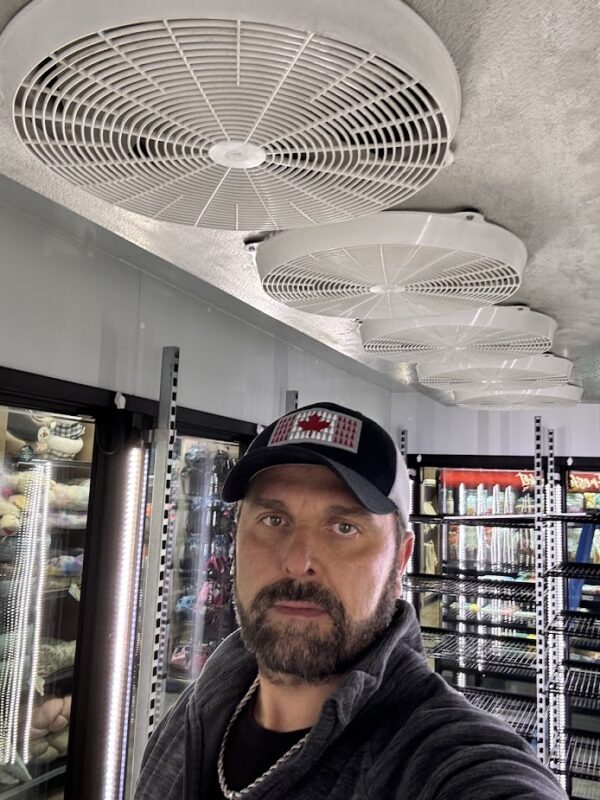
This CooperFix project photograph shows evaporator fans in a commercial freezer application. During service, airflow, coil condition, controls, defrost operation and measured temperatures are checked together so the repair follows the confirmed operating fault.
Commercial Freezer Service Areas
Service is organized across Toronto and the approved surrounding areas. These are service areas, not separate branch offices.
Request Commercial Freezer Service
Provide the customer site, freezer type, make, model, set point, readings and a short description of the temperature, frost, fan, door or drain condition.
Commercial Freezer Questions
Why can one part of a freezer be warmer?
Product clearance, blocked return air, fan operation, coil condition and door access can create uneven temperatures. Several readings help define the pattern.
Does recurring frost always identify a defrost failure?
No. Door infiltration, airflow, fans, controls and refrigeration conditions can also affect frost. The operating cycle must be inspected.
How is this service different from walk-in freezer repair?
This page is for low-temperature cabinets. A walk-in freezer includes a room enclosure, door, drainage and distributed evaporator and condensing equipment.
Need Commercial Freezer Service?
Tell us which cabinet is affected and what operating condition changed.