
Commercial freezer repair in Bradford
A reach-in losing frozen stock, a warm undercounter freezer drawer or a display case alarming above setpoint needs a report. Describe the cabinet, what staff noticed and what business activity depends on it. CooperFix assesses commercial freezers on site in Bradford.
A Bradford commercial freezer request should identify the cabinet, affected section and current site activity precisely. Give a time-stamped temperature and alarm record, then describe visible frost, water or door trouble separately.

Tell us about the commercial freezer that needs attention
Start with the Bradford street address and a contact on site, then name the freezer type and the warning sign staff noticed. With several cabinets involved, describe each separately and rank them by what is at stake: frozen goods, display sales or prep supply.
- Setpoint difference, stock condition, ice location, control warning, fan noise and recovery after defrost
- Data plate model number, if staff can read it
- Route to the freezer and any separate condensing unit
Request commercial freezer service in Bradford
Provide a phone number and email address where CooperFix can confirm the equipment, site and access details.
What happens after you contact CooperFix
Each freezer visit begins with the notes staff gathered, then moves to the cabinet, its controls and the parts keeping it frozen.
Describe what changed
Staff should watch and record; electrical covers and refrigeration parts stay closed. Note the freezer reading, alarm codes, ice buildup, meltwater, new noises and longer running. If a controller or breaker was reset, record which one and the result.
Confirm the address and access
Give the full Bradford address with unit or suite and name who will greet the technician. If the condensing unit sits on the roof or in a locked corridor, say so, and mention whether a landlord, property manager or neighbouring tenant controls entry.
Review the diagnosis and next step
Once the freezer and its connected equipment are checked, the technician explains the cause, anything done, repair choices, parts to order and whether another trip is needed. Recommendations come from testing, not the warm reading alone.
Commercial freezer equipment we service in Bradford
Two freezers with the same warm reading may have different faults. Tell us which upright, chest-style or glass-front unit is affected and where its condensing section sits. The technician plans checks from the layout, data plate and cabinet behaviour.
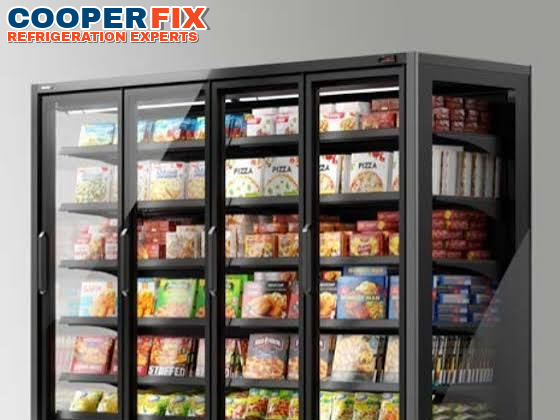
Upright commercial freezer cabinets
Report the upright freezer’s setpoint, display and readings from the affected and comparison compartments. Include loading level, door use, fan sound and frost development. The technician uses the sequence of observations to assess recovery rather than drawing a conclusion from one temperature.
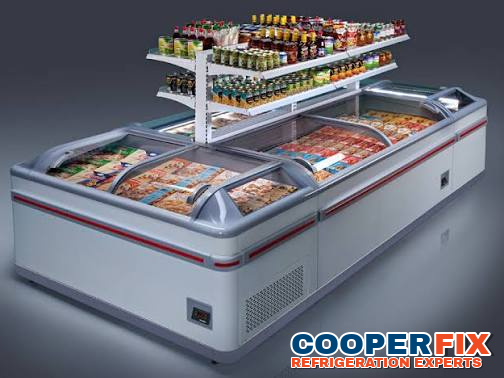
Horizontal frozen-food display equipment
Identify the horizontal case and the exact well or section that changed. Record its temperature trend, visible frost or water and whether neighbouring sections remain normal. Keep the load line and air path clear where practical, without opening any refrigeration compartment.
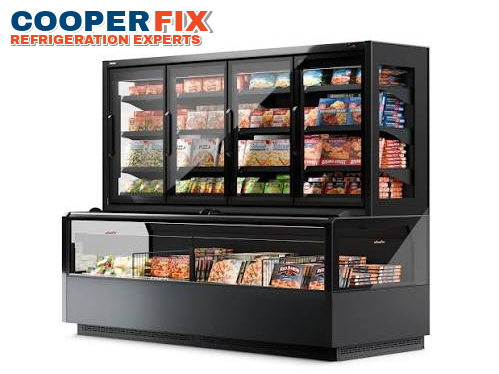
Glass-front frozen-food display cabinets
List the affected glass-front case by its site label and describe readings, alarm history, frost and run-time changes. Treat each cabinet as a separate diagnostic item even when symptoms look alike. The installed equipment must be tested before a repair is selected.
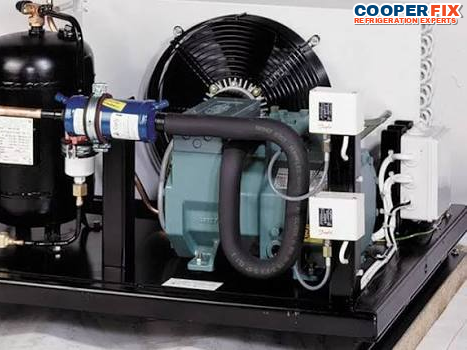
Condensing equipment serving commercial freezers
State whether the condensing equipment is self-contained or remote and who controls access to it. Note defrost behaviour at the cabinet plus any new noise, cycling or long operation at the connected unit. Both locations are examined as one refrigeration system.
How the technician follows the commercial freezer beyond the first symptom
A freezer may show trouble in the cabinet while the cause sits in condensing equipment or controls. The technician traces how the unit is supplied and wired, and works through fans, defrost, drain, electrical parts and the refrigeration circuit.
Work begins with the temperature log, controller codes and what staff saw change. At the cabinet, the technician looks at coil ice, fan operation, airflow around stock, door closing, sensors, defrost heaters and the drain. Checks extend to the condenser, compressor, wiring and refrigeration circuit as evidence leads.
Testing the whole freezer system keeps a single symptom from driving the repair choice. Afterward you hear what failed, what was done, whether parts or another visit are needed, and which readings staff should watch.
Remote freezers connected to rack or condensing equipment depend on valves and controls that open refrigerant flow to each case. If one case is warm while others on the same system are normal, the technician checks the controls and valves serving that case before looking at shared equipment.
Cabinet freezers placed in warm storerooms rely on clear airflow around the condensing section. Stored boxes, dust on the condenser surface or a closed storeroom without air movement can raise operating pressures, and the technician checks these site conditions during the assessment.
Arrange access to the complete system
Staff can log readings and alarms without taking off covers or using test instruments. Before the visit, clear the way to the freezer, its electrical disconnect and any roof or remote condensing unit, and name who approves work.
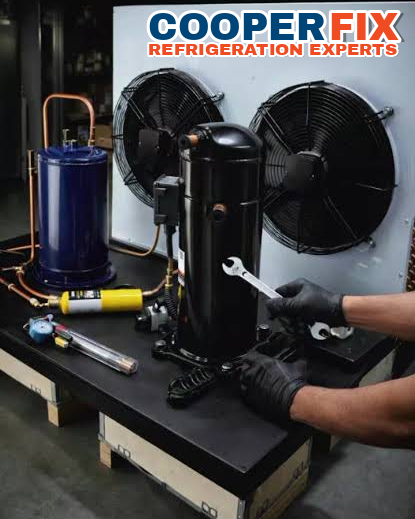
Common commercial freezer faults and how repair recommendations are made
Whether a freezer is repaired, adjusted or watched more closely depends on its age, condition, workload and the technician’s findings.
Temperature and recovery problems
A rising temperature or slow pull-down can involve airflow, the control sequence, defrost, electrical supply or refrigeration performance. Share the timed cabinet readings and operating pattern. On-site measurements establish the cause before parts or adjustments are proposed.
Frost, defrost and drainage
Report where frost begins, how far it spreads, when water appears and what happens through a normal defrost period. The technician reviews fans, heaters, sensors, controls and the drain path together. No panel needs to be opened by site staff.
Electrical and control faults
Copy any alarm and identify a stopped fan, tripped breaker or safety shutdown. Do not repeat a reset to see whether the problem returns. The sequence and the freezer’s response guide electrical testing of the installed control and wiring.
Recurring faults and replacement planning
For a recurring issue, send the previous service date, work completed and normal-running interval. A fresh assessment considers today’s readings, cabinet condition, workload, capacity and electrical supply before repair, monitoring or replacement is discussed.
Frozen-food merchandisers with glass sections and open sections combine two airflow patterns. A problem in the open section can affect the neighbouring glass section, so the technician checks how air moves across the whole fixture before deciding where the fault lies.
Expansion devices control how much refrigerant enters the freezer coil. A device that is restricted or set incorrectly can leave part of the coil frosted and part warm, and the technician confirms this with temperature and pressure readings before recommending a change.
Information Bradford businesses should provide before a refrigeration visit
Every Bradford business uses its freezers differently, so a general description is not enough. State the property type, which reach-in, undercounter or display freezer has the problem and how frozen supply, sales or prep work is affected. Add what staff noticed first, how far the reading has drifted from normal, whether product was moved under the business’s own procedures, and who on site can organize entry.
Anchor the report to one case section
Use a door number, shelf, drawer or display segment that staff can point out on arrival. State whether nearby sections show the same change.
Preserve the controller chronology
Record the first alarm, later display changes and any acknowledgement in time order. Do not clear a message again simply to see whether it returns.
Describe frost and access together
Report where frost or water is visible and whether it affects safe movement or door closure. Keep the area controlled under site procedures until it can be assessed.
State product action without diagnosis
Tell CooperFix what site staff did with product and when, using the business’s own food-safety process. That action describes operating consequences but does not prove the mechanical cause.
Record observations without opening the equipment
Record the freezer’s display reading and compare it with the thermometer staff normally use. Add the time, whether the lid or door was recently opened and whether a delivery just arrived. Photograph the data plate only if it is visible without shifting the cabinet or unscrewing a cover.
If a breaker or safety control trips, do not switch it on repeatedly. Tell CooperFix which device, how many resets were tried and how the freezer responded. That record helps the technician plan electrical testing without cycling a device that stopped the unit.
Note whether the problem started after a power interruption. Some freezers need a manual reset or take a long time to recover after power returns, and a recent outage changes how the technician interprets the temperature history.
Use your food-safety procedures while service is being arranged
A repair visit does not take the place of the business’s food-safety procedures. Keep logging temperatures, and relocate frozen product when the person responsible for food safety decides it cannot stay. Limit lid and door openings, and keep stock away from the coil cover and air return.
Keep staff and customers back if meltwater, ice buildup or an electrical worry has made the area hazardous. Mention it when you call so safe access and urgent hazards can be discussed first.
Arrange access to every part of the affected refrigeration system
Provide the Bradford street address and unit, the freezer’s exact site label, any known remote-equipment location, entry instructions and the person who can open a secured service area. Keep ordinary stock clear where safe, identify the disconnect and arrange access without moving the installed cabinet.
Where safe, shift stored boxes away from the freezer and its condensing section, but leave installed equipment in place. Have the site contact on hand to point out the right cabinet, share what staff noticed and review findings.
Confirm what was found, what was repaired and what still needs attention
Before the technician leaves, review the diagnosed cause, work completed and any remaining recommendation, part order or follow-up visit. Confirm that the freezer is operating, which readings staff should track and who will receive the written report. Ask which measures are temporary and which complete the repair.
Retain the freezer’s nameplate data, controller messages, temperature history and service notes under its equipment record. If the fault recurs, provide the earlier visit date and describe the new change. Track the same section’s reading, alarm state, door closure, frost and water as normal use resumes, noting the time beside every comparison.
What to know before requesting commercial freezer service
These answers cover what to report about a freezer and how visits are organized. A confirmed repair still depends on the technician’s on-site assessment.
Can a Bradford business request repair for its freezers?
A Bradford company requesting freezer repair should name the low-temperature cabinet, its location and the stock it protects. Add the setpoint, present reading, alarm and recent operating change. CooperFix evaluates the actual freezer system before confirming parts or repair work.
Which readings should staff note when a freezer cabinet starts running warm?
Record the freezer’s setting and readings, product condition, frost location, controller message, fan behaviour, defrost timing and recovery. Include the start time, recent loading or opening and whether nearby compartments remain normal. Continue the business’s own frozen-product and food-safety procedures while arranging the visit.
Does ice buildup point to one failed freezer part?
No. Coil ice can come from blocked air, a door left ajar, defrost or drain trouble, controls or refrigeration issues. If safe, photograph where it forms, note when it appears and leave covers closed.
What should we tell CooperFix so a technician can reach the freezer?
Send the street address, unit or suite, a site contact, the hours a technician can enter and where the freezer stands. Flag locked storerooms, roof hatches, parking or loading limits, security check-in and any landlord approval needed.
Is one request enough for several failing freezer cabinets?
Yes. Describe every affected freezer and where it stands in a single request, then point out which puts the most at risk: frozen stock, display sales or prep supply. CooperFix looks at the whole job while keeping the symptoms of each unit separate.
Which pictures are worth attaching when we send a freezer request?
Useful photos show the data plate clearly, the controller screen and the whole freezer in its surroundings, taken without moving the cabinet or removing a cover. They help CooperFix identify the equipment and prepare for the visit, but they cannot confirm which part has failed.
What past repair details should we share when a freezer acts up again?
Share when the freezer was last serviced, what was done and how long it ran without trouble. Explain the present symptom and when staff spotted it. Earlier records guide a new diagnosis but do not prove the old fault is back.
Request commercial freezer service in Bradford
Tell us the address, which freezer is affected, its reading or alarm, the frozen product at risk and who can provide access. For urgent problems, phone (647) 483-3777 with those details ready.
Commercial Refrigeration Repair in Bradford Commercial Freezer Repair service overview
Emergency calls are received and assessed 24/7. Availability and response depend on location, workload and the repair required.
Send your Bradford service request
Describe the affected equipment and provide the Bradford service address.