
Commercial freezer repair in East Gwillimbury
CooperFix provides commercial freezer repair in East Gwillimbury when equipment stops maintaining its normal conditions, an alarm returns, frost builds repeatedly or the running pattern changes. The service concerns the installed freezer and its refrigeration system. Staff can begin with a description of the problem without identifying a failed component.
Give the operating address, freezer location and the latest known condition. A technician confirms the equipment’s intended application, checks relevant functions and explains the findings. The proposed work follows that assessment, with completed work, component requirements and any further investigation kept distinct in the service record.

Report the affected commercial freezer clearly
Give CooperFix the East Gwillimbury service address, affected equipment, observed change and contact who can provide access.
- Setpoint, compartment temperature, alarm, frost pattern, water and run time, with the time observed
- Equipment label, make and model when safely visible
- Directions to the evaporator, condensing equipment, defrost controls and electrical disconnect and the authorized access contact
Request commercial freezer service in East Gwillimbury
Keep hands and tools away from protected components. Include a phone number and email address for service coordination.
Keep the freezer’s application and operating history together
A freezer request needs more than a current display value. Identify the equipment’s usual role and explain what changed during normal use. For service in East Gwillimbury, add the address, equipment location and a contact who can arrange access and discuss the work after the assessment.
An East Gwillimbury freezer request should state what was observed and what remains unknown about an interruption. These steps organize the current condition, the last normal check and access to the reported unit.
Describe the present condition
Report whether the freezer is running, stopped or behaving differently from normal. Include an available alarm message, reading or visible frost observation with its time. Give the equipment reference when known, but leave uncertainty in the record instead of replacing it with a guessed diagnosis.
Preserve the sequence before the visit
Explain the last normal observation and the first sign of a change. Mention any reset, adjustment or interruption already known to staff. Existing records can support the request; the business does not need to recreate an event or expose protected components for the technician.
Confirm what the assessment establishes
CooperFix explains the findings on the identified freezer and the work they support. Record any remaining part, test or return visit separately from completed work. This keeps a temporary return to normal operation from being mistaken for an explanation of the original interruption.
The refrigeration functions behind a freezer complaint
A freezer’s installed design determines how its components operate together. CooperFix assesses the actual equipment rather than applying the same assumed fault to every temperature complaint. Identify the affected unit and its normal application; the technician establishes which functions need to be examined.
Freezer evaporators and airflow
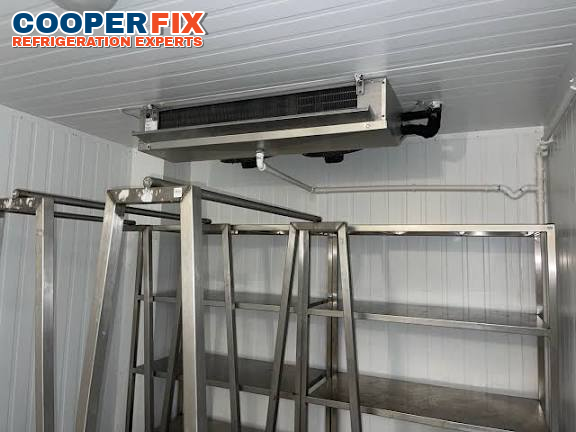
A freezer evaporator and its fans form part of the system being assessed. Report a change in air movement, sound or visible frost from an ordinary accessible position. The technician relates those observations to the installed design and refrigeration response instead of selecting a fan or other component from the description alone.
Compressor and condensing operation
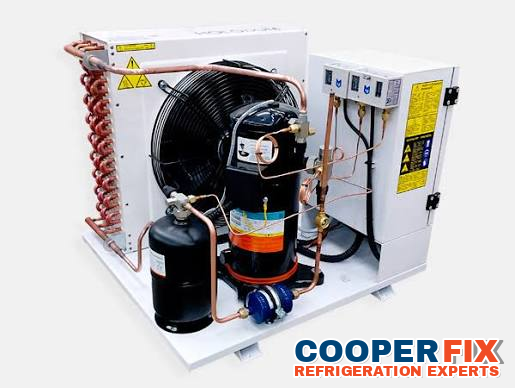
A changed running pattern needs to be connected to the correct freezer and its condensing arrangement. Say whether the unit repeatedly stops, runs differently or resumes operation after an interruption. CooperFix checks the relevant electrical and refrigeration conditions before explaining which work is supported by the findings.
Defrost and recurring frost conditions
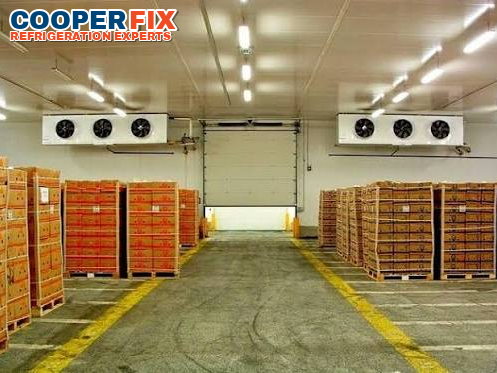
Recurring frost should be described by location, timing and what staff observed before it returned. Different freezer designs require different checks. The technician examines the applicable defrost functions and refrigeration response together, without treating the presence of frost as proof that one particular part requires replacement.
Temperature sensing and refrigeration response
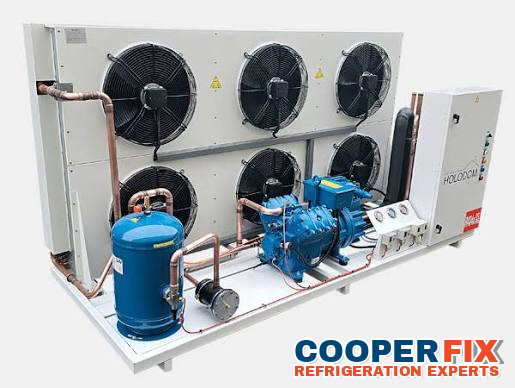
A controller message or changing value is useful information when its source and time are recorded. Keep the requested setting separate from the reported reading. CooperFix compares the available account with relevant measurements and system behaviour so the proposed work addresses the established condition on the freezer.
CooperFix at work: assess the freezer beyond the alarm
During a commercial freezer visit in East Gwillimbury, the technician identifies the equipment and reviews the history supplied by staff. An alarm, an unusual running pattern or recurring frost provides a starting observation. The assessment connects that account to the actual refrigeration arrangement and its intended operating requirements.
Relevant checks can include temperature response, sensors, controls, fan operation, defrost, electrical functions and the refrigeration circuit. CooperFix considers the findings together and explains their significance for the reported complaint. A component is proposed when the assessment supports that work, not merely because the alarm description includes a familiar component name.
Provide accessible records and identify the affected unit. Leave covers and guards in place, and describe any limitation that prevents safe access to a label or connected component. The technician handles the measurements and technical checks. Staff can support the visit by making the equipment location and responsible contact clear.
A useful request does not require opening the freezer’s machinery
Give directions from the site entrance to the equipment and identify who can open restricted areas. Point out known controls, disconnects and remote components without opening protected equipment.
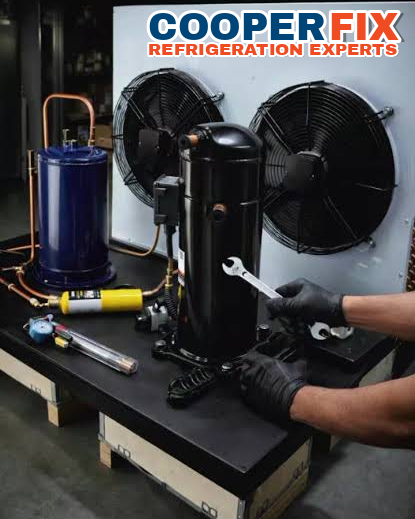
Define the work for the freezer that needs attention
Fault repair, maintenance and replacement planning answer different needs. A freezer that has stopped operating needs its current condition identified even if maintenance was already being planned. CooperFix separates those scopes and explains what is established, what can proceed and what remains dependent on further information.
Repair a confirmed freezer fault
The repair scope follows the findings on the affected equipment. Relevant work may concern fans, sensors, controls, defrost or electrical components and the refrigeration circuit. The service record identifies the action taken and the operating checks made afterward, while keeping any unresolved condition visible rather than implying that every concern was addressed.
Review condition through planned maintenance
Planned maintenance considers the freezer’s normal use and available service history. Describe recurring alarms, frost or changes that staff have noticed even when the equipment continues to run. These observations can be considered during the visit without assuming that they all result from the same cause or belong only to routine maintenance.
Assess a component or equipment replacement
Replacement planning uses the confirmed condition, equipment information and intended frozen-storage function. A component replacement and a complete equipment replacement are different proposals. Explain any proposed change in use so the discussion covers the required application and connected arrangement, rather than relying only on the age or appearance of the existing unit.
Install and commission refrigeration equipment
Installation and replacement work require the refrigeration arrangement, connections and operating requirements to be established. Commissioning checks relevant operation after that work. Retain the completed scope and handover with the freezer’s records, including any condition or follow-up action that was not part of the installation completed during the visit.
Identify the intended application before discussing a setting
Identify the intended application before discussing a setting
The normal role of the freezer matters when its current temperature changes. Describe what the equipment ordinarily does and provide an accessible model or equipment reference when available. The displayed value on its own does not identify the complete application or establish the operating conditions the technician should expect from that installation.
Identify the intended application before discussing a setting: operating context
If someone changed a setting in response to the complaint, include the former value when known, the new value and the result observed. Do not make further adjustments simply to complete the service request. CooperFix confirms the relevant requirements and compares the equipment’s actual response with its installed arrangement.
A recurring frost pattern needs its own history
Describe where frost is visible and how its appearance changes during ordinary use. A condition returning at the same location is useful information, especially when staff know when it was last absent. Keep those observations separate from assumptions about a defrost component or another part that may have been mentioned previously.
A recurring frost pattern needs its own history: operating context
Tell CooperFix about any action already taken and the period before the condition returned. Staff should not remove guards, break frost from an assembly or repeat an intervention to expose the cause. The technician assesses the relevant functions and refrigeration response for the actual freezer design, using the reported pattern as part of the evidence.
Separate an observed stop from an unknown interval
Identify the East Gwillimbury freezer by location or existing label. If someone saw it stop, record what they observed and when. If staff only discovered an abnormal condition later, state the last known normal check and the time of discovery instead of guessing when the fault began.
Keep each alarm, display value or separate reading attached to its source and time. Include a known supply interruption, reset or adjustment and what happened afterward. CooperFix uses that history with its own checks; resuming operation after an action does not establish that the underlying issue is resolved.
Describe the effect on frozen storage during recovery
A freezer may be changing temperature when staff contact CooperFix. Give the sequence of available readings and the present condition alongside the original complaint. Explain which stored stock or business activity depends on the unit and whether another suitable frozen-storage arrangement is available.
The business continues its normal reporting and product-handling procedures. Staff should not change loading or settings to run a diagnostic test. The technician selects measurements for the installed equipment and assesses whether its observed recovery addresses the reported interruption. If a food business there uses an upright freezer for reserve products, an unreliable cabinet can complicate the next ordering and preparation period.
Identify each freezer and its access requirements
When several freezers are included in one request, give each a location or stable equipment reference and its own symptom timeline. Name the person who can admit the technician and identify any restriction on reaching connected components. Similar cabinets standing beside one another may have different service histories.
Explain which units remain in normal operation and which interruption most affects the business. Earlier records should be attached to the correct freezer. CooperFix establishes the equipment arrangement rather than treating a shared room or one visit as proof that all units have the same fault.
Keep the status of outstanding freezer work visible
After assessment or repair, retain the freezer identity, confirmed finding and completed work together. State a part still required, further investigation or another visit as an open item. Identify the contact coordinating that action and any access arrangement likely to be needed again.
If a new change occurs, record its time and the freezer’s operation since the previous visit. Similar symptoms do not prove the same component failed. The accurate history allows CooperFix to assess the present condition without converting an earlier repair into an automatic diagnosis.
East Gwillimbury commercial freezer service information
These answers explain what to report and how the service scope is established. Freezer diagnosis depends on the actual installation, the available operating history and the findings made by the technician.
What should we report when a freezer alarm keeps returning?
Record the alarm message, the time it appeared and the freezer’s condition when observed. Include any reset already made and when the message returned. The technician checks the installed equipment before treating the alarm as evidence that a particular component needs replacement.
Can we request service without knowing the normal setpoint?
Yes. Describe the freezer’s ordinary use, present condition and equipment location. Provide an existing equipment record when available. CooperFix confirms the relevant application and settings during assessment; staff do not need to guess or adjust a value before making contact.
How should we describe recurring frost?
Identify its visible location, when it was noticed and how quickly it returned after any earlier action. Leave protected assemblies closed and avoid disturbing the frost to investigate. The technician assesses the applicable refrigeration and defrost functions for that freezer.
What if nobody saw the freezer stop?
Give the last normal observation and the time the changed condition was discovered. Identify any period that is unknown. Existing records may add information, but staff should not reconstruct an exact sequence that was not observed.
Does restarting show that the freezer has been repaired?
A restart shows a change in operation, not necessarily why the interruption occurred. Tell CooperFix what action preceded it and what staff observed afterward. The technician considers that history together with the current equipment condition when establishing the appropriate work.
Can several freezers be included in one booking?
Yes. Give each unit an identifiable location or label and describe its own symptom and timing. Attach previous records to the correct freezer. CooperFix checks the actual arrangements before deciding whether any findings are shared across the equipment.
How do we request urgent freezer service in East Gwillimbury?
Call (647) 483-3777 with the operating address, freezer location and current condition. Explain the effect on the business and name the person who can arrange access. CooperFix assesses the request and discusses the next available action.
Arrange commercial freezer repair in East Gwillimbury
Call CooperFix with the East Gwillimbury service address, affected unit and contact who can provide access.
Emergency calls are received and assessed 24/7. Availability and response depend on location, workload and the repair required.
Send the East Gwillimbury service details
Give directions from the site entrance to the equipment and identify who can open restricted areas.