
Commercial freezer repair in King City
CooperFix provides commercial freezer repair in King City for equipment that has stopped, repeatedly changes operation or no longer maintains its normal frozen-storage conditions. A freezer can present an alarm, a sound, visible frost or an unexpected reading. The technician assesses what those observations mean for the installed system before recommending a component or repair.
Describe the equipment’s current condition and the change that prompted the request. Include the King City operating address, freezer location and a contact who can arrange access. Existing readings and service records are useful, but staff do not need to establish the technical cause or conduct tests before calling.

Report the affected commercial freezer clearly
Give CooperFix the King City service address, affected equipment, observed change and contact who can provide access.
- Equipment label, make and model when safely visible
- Directions to the evaporator, condensing equipment, defrost controls and electrical disconnect and the authorized access contact
- Setpoint, compartment temperature, alarm, frost pattern, water and run time, with the time observed
Request commercial freezer service in King City
Avoid opening refrigeration or electrical compartments. Include a phone number and email address for service coordination.
Start with the freezer’s present condition
Different observations can describe different parts of the same complaint. Report what the freezer is doing now, then add what staff noticed earlier. CooperFix uses that account to begin assessment, keeping a visible symptom separate from an assumed part failure and the present condition separate from the equipment’s normal application.
A King City freezer request can begin with a blank display, recurring alarm or changed running pattern. The steps below preserve each observation and identify the installed unit before a technical cause is proposed.
Describe the interruption in ordinary terms
Say whether the freezer is stopped, operating differently or showing a recurring alarm. Identify the affected equipment by a location or existing reference. If the display is blank or a reading is unavailable, describe that condition instead of estimating a value or attempting to open the equipment.
Retain useful observations already available
Record an alarm message or the time of a known change. Include any reset or adjustment already made and what happened afterward. Ordinary observations can support the visit without requiring staff to operate switches repeatedly, change settings or expose protected assemblies to recreate the complaint.
Review the finding and the proposed action
The technician explains the condition established and the work it supports. Keep a completed repair distinct from an additional component, measurement or visit still required. A precise equipment reference helps staff follow the outcome without treating a temporary change in operation as an explanation of the underlying fault.
Freezer functions considered during assessment
The freezer’s design and intended operating application determine the relevant checks. An alarm or frost observation does not identify that design by itself. CooperFix confirms the installed equipment and considers the connected functions together before explaining whether a condition concerns controls, electrical operation, airflow or the refrigeration circuit.
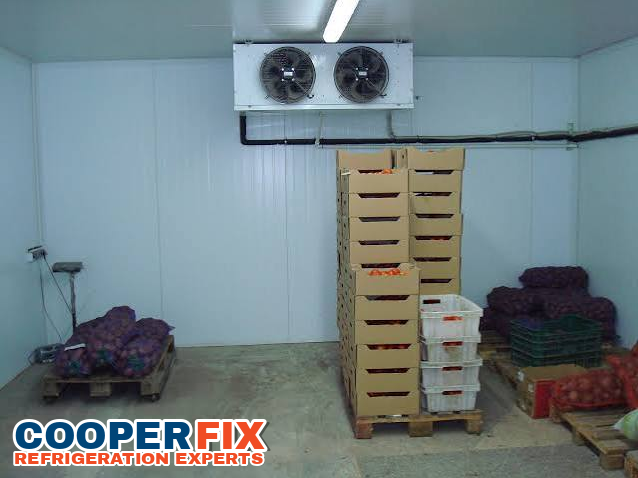
Evaporator and fan operation
Describe a change in sound or air movement at the freezer without reaching into the assembly. The technician identifies the installed fan and control arrangement and checks its operation in context. A visible fan observation is useful, but it is not enough on its own to select a motor or explain the full complaint.
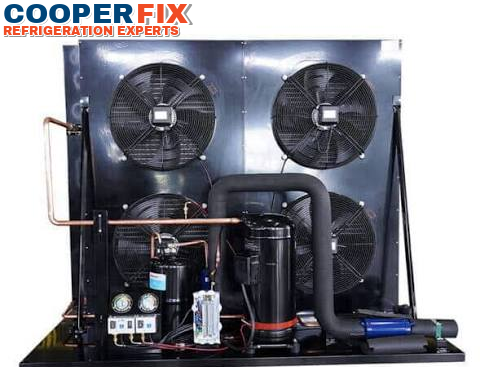
Compressor and condensing functions
A reported change in running pattern is connected to the actual freezer before its cause is assessed. CooperFix checks relevant electrical and refrigeration conditions and explains what the findings support. Staff can describe starts, stops or a new sound without deciding whether the compressor itself is the component requiring work.
Defrost and frost-related conditions
Frost should be described by where it appears, when it was noticed and whether it keeps returning. The technician examines the applicable defrost functions and refrigeration response for that equipment. Leave the assembly undisturbed so a service request does not become an attempt to reveal the cause by removing covers or frost.
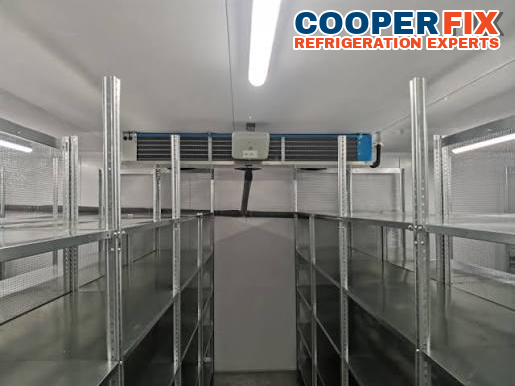
Sensors, controls and recorded readings
Keep the requested setting, displayed value and any separate measurement distinguishable. Each describes different information available to the assessment. CooperFix checks the installed controls and relevant measurements before explaining whether an apparent disagreement concerns the sensing arrangement, the equipment’s operation or another condition that needs investigation.

CooperFix at work: connect the symptom with measured freezer operation
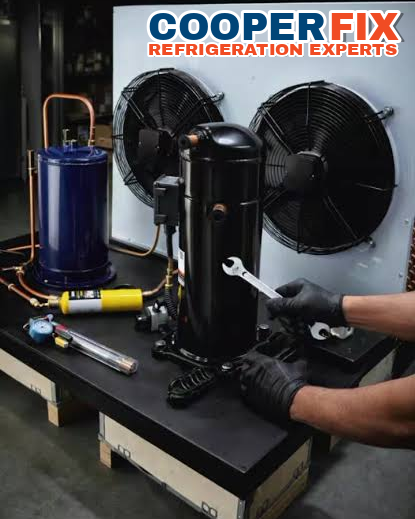
A King City freezer visit starts with the affected equipment and the reported condition. The technician confirms the unit identity, reviews the available account and selects checks appropriate to that installation. An alarm message, a stopped fan or a changed sound gives information to investigate, not an automatic instruction to replace a particular part.
The assessment can involve temperature response, sensors, controls, fans, defrost, electrical components and the refrigerant circuit. CooperFix explains the relevant findings together and identifies any limitation. If a condition cannot be reproduced or a further check is required, the service record should make that clear rather than imply that every reported concern was conclusively resolved.
Describe the freezer and the visible condition if a reading or model label is unavailable. Arrange access through the responsible site contact and make existing records available. The technician can confirm the equipment information during assessment; staff should not move fixed equipment or enter protected components merely to complete the booking details.
An incomplete display reading does not prevent an initial request
Name the person who can lead the technician to the unit, controls and remote equipment. Point out known controls, disconnects and remote components without opening protected equipment.
Freezer service based on the condition established
A symptom report begins the assessment, while the findings define the work. CooperFix distinguishes fault repair from maintenance and replacement planning. This keeps a recurring complaint visible even when the business also wants longer-term attention to the freezer or is considering a different refrigeration arrangement.
Repair the supported freezer fault
The repair scope identifies the condition found on the equipment and the action it supports. Work may concern relevant controls, fans, sensors, defrost, electrical components or the refrigeration circuit. CooperFix records what was completed and checked, while identifying any remaining component or investigation instead of treating the initial symptom description as a complete diagnosis.
Plan maintenance with recurring concerns included
Maintenance considers the freezer’s normal use, condition and available service history. Report alarms, frost or changes staff have become accustomed to, even if operation continues. These observations help distinguish a current concern from planned condition review. The scope should identify which equipment is included and what requires attention beyond that visit.
Assess component or equipment replacement
Replacement planning uses the established condition and the frozen-storage function the business needs. The name of a suspected component is not enough to define the proposal. CooperFix distinguishes replacement of a part from replacement of the equipment and identifies the installation information required before the proposed arrangement can be settled.
Install and commission refrigeration equipment
Installation and commissioning concern the agreed refrigeration arrangement and its operating requirements. Confirm equipment identity, connections and access with the site contact before the work proceeds. Retain the completed scope and operating-check record, including any further action, so subsequent freezer service starts with the current installation rather than an outdated description.
A blank display should be reported as a condition, not a diagnosis
A blank display should be reported as a condition, not a diagnosis
If the freezer display is blank, describe what else staff can observe from a normal position. Say whether any sound or other indication of operation remains and when the change was noticed. Include a known interruption to the equipment’s supply, but distinguish a confirmed event from something staff only suspect may have happened.
A blank display should be reported as a condition, not a diagnosis: operating context
A blank display does not tell the technician the condition of every connected component. CooperFix assesses the installed electrical and control arrangement and its refrigeration response. Staff should not open compartments, repeatedly operate controls or make electrical tests to establish which part of the system still has a supply.
Keep repeated stops distinct from one continuous shutdown
A freezer that repeatedly stops and resumes operation has a different reported pattern from one that remains stopped. Describe the sequence as it was observed, including the approximate intervals when known. Avoid turning a period without observation into a continuous account of what the equipment was doing throughout that interval.
Keep repeated stops distinct from one continuous shutdown: operating context
Tell CooperFix whether the stops coincide with an alarm, a new sound or a changing reading. These associations help describe the event but do not identify the failed component. The technician checks the applicable functions and installed controls, with any intermittent condition or incomplete evidence identified in the findings.
Keep alarms, readings and sounds as distinct observations
Identify the King City freezer and record an alarm exactly as displayed, with its time and any reset already performed. A separate temperature reading needs its own source and position. Describe a changed sound by where and when staff hear it, without assigning it to a motor or compressor.
If frost returns, give its visible location and recurrence. An unobserved interval should not become a guessed sequence. CooperFix interprets the indications against the installed controls and freezer design, using current measurements to establish the relevant technical condition.
Explain the frozen-storage effect without a component guess
State whether the freezer is carrying ordinary stock and whether another suitable frozen-storage arrangement is available. A blank display, a recurring alarm or long running periods may affect the business before the cause is known. Keep the operational effect separate from the proposed repair.
Continue the business’s own monitoring and product-handling procedures. Staff should not repeatedly reset the unit or alter settings to create a test. CooperFix assesses the installed electrical and refrigeration functions and explains which work the findings support.
Provide safe access to the reported freezer
Give the full King City address, freezer location and contact who can admit the technician. If connected equipment is elsewhere, state the known position and any controlled-entry requirement. Make existing equipment labels or records available when readily accessible. If machinery access requires another person, provide that contact rather than assuming the freezer area contact can admit the technician.
Do not open covers, reach into a fan assembly or remove frost to identify the cause. Explain any restricted working area before the visit. A clear account of the freezer’s location and site access is more useful than asking staff to test machinery before attendance.
Record the result and any unresolved freezer requirement
Retain the freezer identity, confirmed findings and completed work together. Distinguish a part still to be obtained, further investigation or return visit from a completed repair. Include the contact coordinating the next step and any relevant access requirement.
If a later alarm, reading or frost condition appears, record the new observation and when it occurred. A similar symptom after service does not itself prove that the previous component failed again. CooperFix assesses the current condition with the earlier record as history, not a substitute for fresh findings.
King City commercial freezer service information
The answers below help describe freezer symptoms without turning them into unverified diagnoses. The installed design, available history and technician’s findings determine which work is appropriate.
Can we request service when the freezer display is blank?
Yes. Describe the equipment, its location and any other ordinary indication of operation. Include when the display changed and a known interruption if one occurred. Staff do not need to open compartments or test electrical components before contacting CooperFix.
What details help when a freezer repeatedly stops and restarts?
Report the observed sequence, approximate intervals and any accompanying alarm, sound or reading. Identify periods nobody observed instead of estimating continuous behaviour. CooperFix checks the installed equipment to establish which functions account for the pattern.
Should an alarm be reported if the freezer still appears to be running?
Yes. Give the message, time and any operating change that accompanied it. Include resets already made and whether the alarm returned. The technician interprets the indication for the actual control and refrigeration arrangement before recommending work.
Do we need to identify which component makes an unusual sound?
No. Describe its location and timing from a normal accessible position. Do not remove guards or reach into equipment. CooperFix confirms the relevant assembly and assesses the sound alongside other findings instead of relying on a component guess.
What should we record when frost returns?
Identify where it is visible, when it returned and any earlier action taken. Mention accompanying temperature or running changes. Leave the equipment undisturbed so the technician can assess the relevant refrigeration and defrost functions for that freezer.
Should we change a setting when two temperature readings disagree?
Do not make an adjustment just to make the readings match. Keep each value attached to its source, location and time, and report any adjustment already made. CooperFix assesses the actual equipment and the measurements relevant to its operation.
How do we request urgent freezer service in King City?
Call (647) 483-3777 with the operating address, freezer location and current condition. Explain the effect on the business and identify the access contact. CooperFix assesses the request and discusses the next available action for the reported equipment.
Request commercial freezer repair in King City
Call CooperFix with the King City service address, affected unit and contact who can provide access.
Emergency calls are received and assessed 24/7. Availability and response depend on location, workload and the repair required.
Send the King City service details
Name the person who can lead the technician to the unit, controls and remote equipment.