
Commercial freezer repair in King Township
A change in a commercial freezer can affect frozen product, storage capacity, merchandising or production continuity. In King Township, pair each temperature or alarm with its time, unit label and physical location. CooperFix arranges an on-site assessment after the equipment, address and access details are confirmed.
For this request, describe the actual service property and the location of every component that may need to be reached. Name the reach-in freezer, undercounter unit, frozen display or low-temperature cabinet, report the setpoint, compartment temperature, alarm, frost pattern, water and run time, and explain how the condition is affecting the business. That factual starting point lets the technician plan the visit without asking staff to diagnose the technical cause.
Report the affected commercial freezer clearly
Pair each temperature or alarm with its time, unit label and physical location. Explain the effect on frozen product, storage capacity, merchandising or production continuity, then add the access details needed to reach the installed system.
- Setpoint, compartment temperature, alarm, frost pattern, water and run time, with the time observed
- Equipment label, make and model when safely visible
- Directions to the evaporator, condensing equipment, defrost controls and electrical disconnect and the authorized access contact
Request commercial freezer service in King Township
Leave pressure, electrical and control measurements to the technician. Include a phone number and email address for service coordination.
From the first report to a clear refrigeration service decision
Service planning for a commercial freezer begins with a precise account of the operating change. The sequence below keeps the request useful for the technician and practical for the business.
Build the service record
In King Township, pair each temperature or alarm with its time, unit label and physical location. Include the setpoint, compartment temperature, alarm, frost pattern, water and run time, but leave guards and electrical or refrigeration panels closed. If a controller or breaker was reset, report exactly what happened afterward.
Prepare complete access
Provide practical arrival directions and confirm roof, restricted-room or landlord coordination in advance. The technician may need to follow the installed system from the affected reach-in freezer, undercounter unit, frozen display or low-temperature cabinet to the evaporator, condensing equipment, defrost controls and electrical disconnect, so the request should identify both the product-side equipment and remote locations.
Review findings and next actions
After the assessment, separate the confirmed fault, work completed, parts still required and any return visit. Avoid combining readings from different buildings, rooms or refrigeration systems so later decisions are based on the correct equipment history.
Commercial freezer equipment we service in King Township
Capture the practical symptoms affecting the exact reach-in freezer, undercounter unit, frozen display or low-temperature cabinet. A similar temperature complaint can originate in different components, so professional diagnosis distinguishes conditions involving the installed system before work is selected.
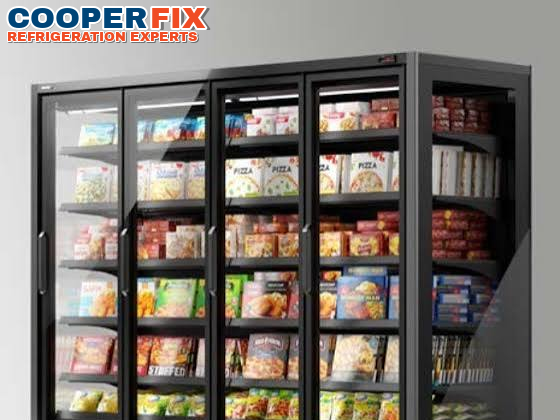
Reach-in freezers
Capture the practical symptoms affecting this reach-in freezer installation using the equipment label, current reading, alarm and any visible change. The visit evaluates relevant parts of airflow, controls, electrical components and the refrigeration circuit only as relevant to the installed arrangement. Pair each temperature or alarm with its time, unit label and physical location; keep the observations for this unit separate from another cabinet or room.
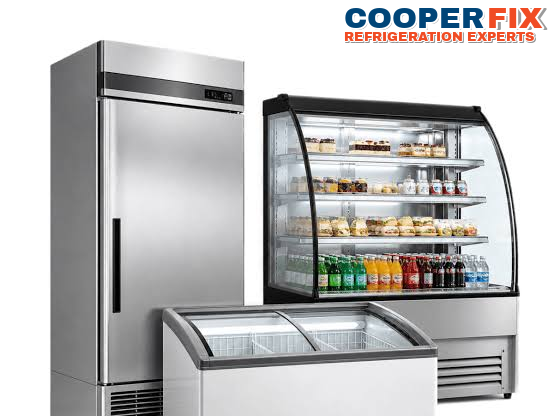
Undercounter freezers
Summarize the measured and visible change at this undercounter freezer installation using the equipment label, current reading, alarm and any visible change. Technical findings come from reviewing airflow, controls, electrical components and the refrigeration circuit only as relevant to the installed arrangement. Pair each temperature or alarm with its time, unit label and physical location; keep the observations for this unit separate from another cabinet or room.
Frozen display cabinets
The reported change is verified against airflow, controls, electrical components and the refrigeration circuit only as relevant to the installed arrangement. Pair each temperature or alarm with its time, unit label and physical location; keep the observations for this unit separate from another cabinet or room. Identify the operating difference found at this frozen display cabinet installation using the equipment label, current reading, alarm and any visible change.
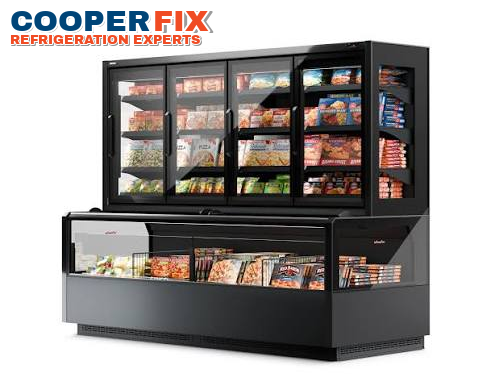
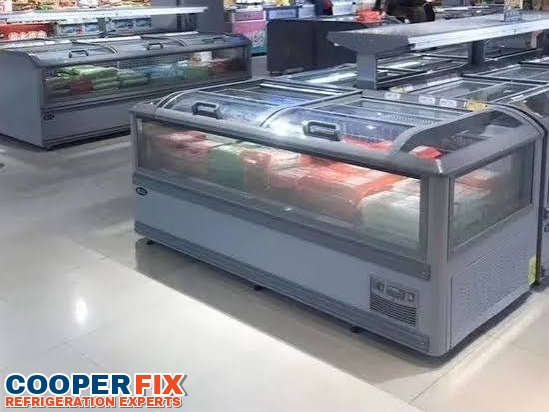
Low-temperature storage units
Pair each temperature or alarm with its time, unit label and physical location; keep the observations for this unit separate from another cabinet or room. Build the request around direct observations from this low-temperature storage unit installation using the equipment label, current reading, alarm and any visible change. Repair planning depends on examining airflow, controls, electrical components and the refrigeration circuit only as relevant to the installed arrangement.
Assessment extends beyond the first visible symptom
Describe the actual service property and the location of every component that may need to be reached so the technician begins with the correct equipment rather than a general property description. Professional diagnosis distinguishes conditions involving the connection between the reported symptom and the evaporator, condensing equipment, defrost controls and electrical disconnect.
A later recurrence needs a new observation timeline instead of an assumed cause. Temperature history and controller messages are compared with relevant airflow, fan, sensor, defrost, drainage, electrical and refrigeration-circuit conditions.
Avoid combining readings from different buildings, rooms or refrigeration systems. Staff should leave closed components closed.
Make the complete system accessible
Provide practical arrival directions and confirm roof, restricted-room or landlord coordination in advance. Point out known controls, disconnects and remote components without opening protected equipment.
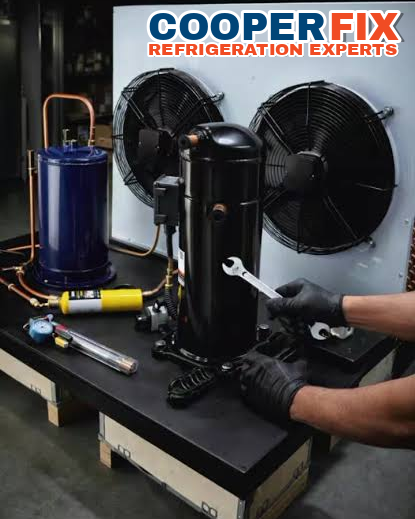
Repair choices follow the condition found in the installed equipment
Equipment type, application, operating history and current findings all affect the next step for a commercial freezer.
Temperature and recovery problems
The technician explains the condition found before discussing the next action. Have staff document signs related to temperature and recovery problems, including the timing and location of the change. The technician relates those observations to the equipment data and connected components instead of treating one symptom as conclusive.
Frost, defrost and drainage
Record, without interpreting, signs related to frost, defrost and drainage, including the timing and location of the change. A complete review connects the symptom with the equipment data and connected components instead of treating one symptom as conclusive. Any return visit or pending part should be recorded separately.
Electrical and control faults
The inspection considers the equipment data and connected components instead of treating one symptom as conclusive. The business receives a clear distinction between a temporary measure and completed work. Use the service request to state signs related to electrical and control faults, including the timing and location of the change.
Recurring faults and replacement planning
The service decision reflects the equipment condition rather than a symptom alone. Give the technician a factual account of signs related to recurring faults and replacement planning, including the timing and location of the change. Service decisions follow an examination of the equipment data and connected components instead of treating one symptom as conclusive.
Information King Township businesses should provide for this refrigeration request
A useful request describes the actual service property and the exact commercial freezer; it does not rely on a neighbourhood label or a broad description of the area.
Name one affected unit at a time
Identify the reach-in freezer, undercounter unit, frozen display or low-temperature cabinet by its equipment label or unmistakable position.
Create a factual operating timeline
Pair each temperature or alarm with its time, unit label and physical location. Add the setpoint, compartment temperature, alarm, frost pattern, water and run time. Staff observations are valuable; a suspected technical cause should be left for the on-site assessment.
Explain the immediate business effect
State whether the condition affects frozen product, storage capacity, merchandising or production continuity. If suitable backup refrigerated space exists at the same operation, mention it without treating product disposition as a refrigeration-service decision.
Map access to the installed system
Provide practical arrival directions and confirm roof, restricted-room or landlord coordination in advance. Include what staff know about the evaporator, condensing equipment, defrost controls and electrical disconnect, but do not remove covers or move fixed equipment to find information.
Record useful observations without opening the equipment
Start with the controller display and the business’s normal reference reading. Note the setpoint, compartment temperature, alarm, frost pattern, water and run time with the time and the exact unit or room.
Photograph the model label or controller display only when it is visible safely. Do not move the equipment, remove a guard, attach instruments or repeatedly reset a safety device. Tell CooperFix about any reset already performed and the result.
Continue the business’s own safety procedure while service is arranged
Refrigeration service and the business’s product-control procedure are separate responsibilities. Keep monitoring according to that procedure and move product only when the responsible person determines that different storage is required. Where practical, limit unnecessary door opening and keep air paths clear.
If water, frost or an electrical condition creates a hazard, keep people away from the area and describe it when calling.
Arrange access to the affected equipment and its connected components
Plan access for the full installed refrigeration path before the technician arrives. For the King Township visit, provide practical arrival directions and confirm roof, restricted-room or landlord coordination in advance.
Document the finding, completed work and remaining requirement
Provide the earlier visit date, confirmed work and the period of ordinary operation that followed. Describe the present condition on a new timeline instead of copying the former diagnosis. Avoid combining readings from different buildings, rooms or refrigeration systems. Earlier history informs the assessment but does not prove that the same fault returned.
Information for a King Township commercial freezer request
These answers explain what to report and how access is planned. The installed system still requires an on-site assessment.
Can CooperFix assess a commercial freezer for a business in King Township?
Capture the practical symptoms affecting the reach-in freezer, undercounter unit, frozen display or low-temperature cabinet and include the setpoint, compartment temperature, alarm, frost pattern, water and run time. Explain the effect on frozen product, storage capacity, merchandising or production continuity; describe the actual service property and the location of every component that may need to be reached. A repair is confirmed only after the installed equipment is assessed. CooperFix accepts commercial freezer requests from businesses in King Township.
Which operating details belong in the commercial freezer request?
Add the effect on frozen product, storage capacity, merchandising or production continuity without guessing which part failed. Avoid opening refrigeration or electrical compartments. Pair each temperature or alarm with its time, unit label and physical location. Report the setpoint, compartment temperature, alarm, frost pattern, water and run time and identify the precise unit or room.
Is visible frost enough to identify the refrigeration problem?
Do not disturb wiring, tubing or fan guards. A visible frost pattern does not identify a failed component by itself. Airflow, defrost, drainage, controls and refrigeration conditions can create similar evidence. State the location and timing of the pattern, and photograph it only when that is safe.
What should the on-site contact confirm before arrival?
Give the full King Township address, building or suite, equipment position and on-site contact. Provide practical arrival directions and confirm roof, restricted-room or landlord coordination in advance. Mention parking, loading, security, landlord or roof arrangements only when they apply at the actual property. Access should cover the evaporator, condensing equipment, defrost controls and electrical disconnect.
Can CooperFix review multiple commercial freezer units during one request?
Give each unit its own label, reading, alarm and observable symptom. Rank the effect on frozen product, storage capacity, merchandising or production continuity, but do not merge the operating histories. Avoid combining readings from different buildings, rooms or refrigeration systems. Several affected units can be listed in one request.
Which equipment photographs help plan commercial freezer service?
A photograph helps identify the arrangement but does not prove which component failed. The service record should distinguish observation from assumption. A readable model label, controller display and wider equipment view can support planning. Take images only when the information is visible without moving the unit or removing a guard.
What details are needed on an urgent commercial freezer call?
No response or arrival time is guaranteed. Call (647) 483-3777 and identify the commercial freezer, current reading or alarm and product risk. Provide the King Township service address and the contact who can arrange access. CooperFix uses those details to assess urgency and current availability.
Arrange commercial freezer service in King Township
Describe the actual service property and the location of every component that may need to be reached. Include the setpoint, compartment temperature, alarm, frost pattern, water and run time, effect on frozen product, storage capacity, merchandising or production continuity, and the contact who can provide access.
Emergency calls are received and assessed 24/7. Availability and response depend on location, workload and the repair required.
Send the King Township service details
Provide practical arrival directions and confirm roof, restricted-room or landlord coordination in advance.