
Commercial fridge repair in East Gwillimbury
A commercial refrigerator can remain switched on while its storage or display conditions change. CooperFix provides commercial fridge repair in East Gwillimbury, assessing the installed refrigeration equipment when cooling becomes uneven, readings change, an alarm appears or normal operation is interrupted. Describe what staff noticed rather than selecting a component to replace.
The assessment connects the complaint to the refrigerator’s intended use, controls, airflow and refrigeration system. Give the operating address, equipment location and a contact who can arrange access. The technician checks relevant conditions on site and explains the proposed work, including anything that depends on further investigation or a component.

Report the affected commercial refrigerator clearly
Give CooperFix the East Gwillimbury service address, affected equipment, observed change and contact who can provide access.
- Setpoint, shelf or rail temperature, controller message, door closure, condensation and fan sound, with the time observed
- Equipment label, make and model when safely visible
- Directions to the integral or remote condenser, controls and electrical disconnect and the authorized access contact
Request commercial fridge service in East Gwillimbury
Safe observations are enough before the visit. Include a phone number and email address for service coordination.
Describe where and when the refrigerator changes
A useful fridge-service request identifies the affected unit and the sequence staff observed during ordinary use. For an East Gwillimbury visit, add the service address and access contact. Existing temperature records can help describe the change, but the business does not need to perform diagnostic tests before making contact.
For an East Gwillimbury refrigerator, state where the change appears and when staff first observed it. The following steps keep readings, loading history and access details attached to the correct unit.
Identify the changed storage area
Say whether the complaint concerns the entire refrigerator, one section or a particular position in a larger display. Record the latest available observation and when it was made. Keep a controller value, an alarm and a staff description distinguishable instead of combining them into a presumed failure.
Describe the ordinary operating pattern
Explain whether the change develops after loading, during use or while the equipment is otherwise undisturbed. Mention settings or routines already changed in response. These details guide the assessment without proving that loading, access or a particular component caused the problem.
Review the measured result
The technician confirms the equipment arrangement, checks relevant functions and explains the supported work. Ask which condition was established and what remains to be done. Keep the refrigerator reference with the service record so a later update concerns the same unit and location.
Commercial refrigerated displays and storage systems
Chilled-storage equipment differs in layout and in the location of its refrigeration components. A large display, storage installation and remote condensing unit cannot be assessed from appearance alone. CooperFix confirms the connected arrangement and the operating application before relating a measured condition to the complaint.
Large glass-door food displays
For a long food display, identify the section or shelf area where the change was noticed. Report whether adjacent sections show the same behaviour and whether the pattern repeats. The technician checks the refrigeration serving that installation and compares the reported position with the airflow and measured conditions.

Evaporators above refrigerated storage
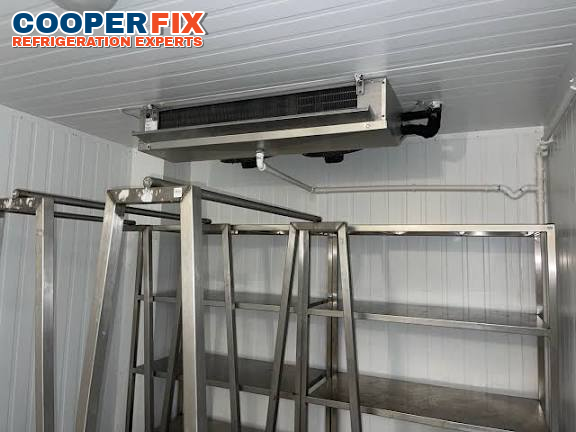
An evaporator assembly moves cooled air through the refrigerated space. Report changes in fan sound, visible frost or conditions in the storage area without reaching into the assembly. CooperFix checks the installed fans, controls and refrigeration response, keeping the actual layout and operating history in view.
Connected compressor and condensing equipment
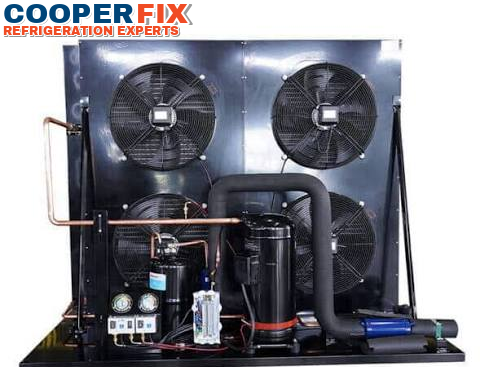
The refrigeration equipment serving a display may be separate from the area used by staff. Say where the connected condensing unit is located when known. The technician identifies the correct system and assesses its operation; a sound or surface condition described during booking is not a component diagnosis.
Large glass-front refrigeration installations
A larger refrigerated installation needs the affected area identified clearly, including its normal storage or display role. Describe any recent change in use and when the problem appeared. CooperFix considers the full refrigeration arrangement and explains work supported by the measured condition rather than by the size of the installation.

CooperFix at work: connect a warm area to the refrigeration system
For commercial fridge service in East Gwillimbury, the technician begins with the area or unit named in the request. A warmer section, changing display value or altered fan sound gives a starting point. The assessment establishes how the installed refrigeration system is operating and which findings explain the reported change.
Checks may involve the relevant temperature readings, airflow, fans, controls, defrost operation, electrical components and refrigerant circuit. The selection depends on the equipment design. CooperFix explains the work supported by those checks, with any limitation identified instead of treating a single reading as the complete diagnosis.
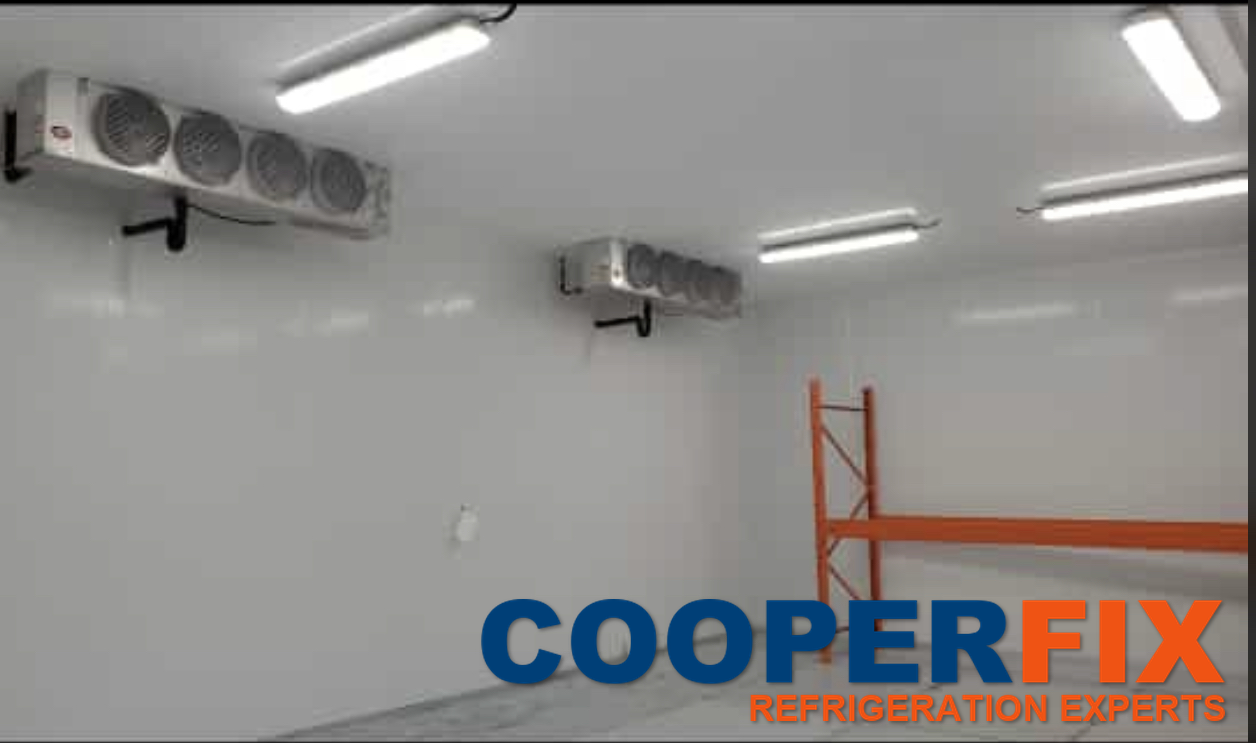
Share records that already exist and identify where each reading came from. Staff can describe the equipment without opening protected assemblies or attaching instruments. If a model label is inaccessible, explain that during booking. The technician confirms the relevant equipment information and carries out the technical assessment on site.
Keep ordinary observations separate from technical testing
Give directions from the site entrance to the equipment and identify who can open restricted areas. Point out known controls, disconnects and remote components without opening protected equipment.
Repair, maintain or replace for a defined refrigeration need
The right scope depends on the condition established and the business’s intended use of the refrigerator. A current fault should be identified separately from planned maintenance or a proposed change in equipment. CooperFix explains those distinctions before work or component ordering is arranged.
Repair the confirmed source of the complaint
Refrigerator repairs follow the assessment of the identified unit. Work can concern relevant controls, sensors, fans, electrical or defrost components and the refrigeration circuit. The service explanation connects the action to the findings and distinguishes completed work from a further check, component or visit still required for that installation.
Plan maintenance around actual operation
Maintenance uses the equipment’s condition, operating pattern and service history to define the visit. Explain recurring observations that staff have worked around, such as uneven conditions or changing run patterns. Naming those concerns allows the technician to distinguish an active fault from the planned review of equipment that continues to operate normally.
Consider replacement against future use
A replacement proposal considers the refrigerator’s confirmed condition and the application it must support. Tell CooperFix if the intended storage role or use will change. The proposal should distinguish replacement of a component from replacement of the refrigeration equipment, with the relevant connections and operating requirements considered before work is arranged.
Install and check the refrigeration arrangement
Installation work requires the refrigeration equipment, connected components and intended application to be identified. Commissioning checks relevant operation after the installation. Keep the handover with the unit’s records, including what was installed and checked and any requirement that remains, so the next service contact starts with the current arrangement.
Keep each reading attached to its measurement location
Keep each reading attached to its measurement location
A value shown on a controller and a reading recorded elsewhere in a refrigerator describe different observation points. Tell CooperFix where a recorded value came from and when it was taken. If the business already keeps records, preserve the labels and sequence rather than presenting several readings as though they came from one instrument.
Keep each reading attached to its measurement location: operating context
The technician compares the reported information with relevant measurements on the installed equipment. Staff do not need to decide which observation is correct or change settings to force agreement. Include the normal setpoint when known, while keeping the requested setting separate from what the equipment was actually displaying.
A single affected section needs a precise description
In a larger refrigerated display, identify the position where the concern appears. The left or right end, a shelf level or a section beside another cabinet can help locate it. Describe the normal stock arrangement and whether staff notice the same change in neighbouring positions during ordinary operation.
A single affected section needs a precise description: operating context
Do not treat different conditions across the display as proof that one fan or sensor has failed. The technician checks the installed airflow and refrigeration arrangement and relates measurements to the reported area. If staff have relocated stock under their normal procedures, retain the original location in the service description.
Record readings and changes around ordinary loading
For an East Gwillimbury commercial refrigerator, identify the cabinet or display section and the location of every reading. Keep the controller value separate from a temperature measured elsewhere, with each source and time recorded. Describe a loading change when it actually occurred, including how the unit behaved before and afterward.
A single busy period is operating context, not proof of a failed part. Include settings already changed and whether normal operation returned. Staff need not recreate a loading event or alter the equipment solely to demonstrate the complaint; CooperFix compares the available sequence with the installed system.
Explain the effect of moisture and uneven cooling
Describe the chilled-stock or display function affected by the refrigerator’s condition. If water or condensation is visible, identify its location and timing separately from any cooling complaint or changed running sound. Explain whether another suitable chilled unit is available to the business.
Follow the site’s safety, product-handling and monitoring procedures. A visible moisture condition may affect safe access, but it does not identify its source or establish a refrigerant-circuit fault. CooperFix assesses the installed equipment and explains work supported by the findings.
Provide the address and access route to connected equipment
Give the full East Gwillimbury operating address and the refrigerator’s position inside the property, not just the front entrance. Name the contact who can admit the technician and discuss the work. Where connected machinery is elsewhere, identify its known location and any separate access arrangement.
Make existing equipment records available and explain periods when the installation cannot be reached. Staff do not need to move a fixed cabinet or remove covers to obtain a model number. The technician confirms the relevant system during the visit.
Use earlier findings without assuming a repeated repair
Retain the refrigerator’s equipment reference with the earlier visit date, confirmed finding and completed work. Record how it operated after that visit and when the present change appeared. A concern that never cleared differs from one arising after a period of normal operation. An earlier record can also show whether the same cabinet was assessed or a neighbouring display section was involved.
CooperFix assesses the current condition before deciding what work is appropriate. A previously replaced part is background, not evidence that it needs replacement again. Keep any new outstanding action separate from completed work so the next service contact sees the actual status.
East Gwillimbury commercial fridge service information
These answers concern the observations and arrangements that support a commercial refrigerator assessment. The technician confirms the installed equipment and explains the work required from the findings made during the visit.
Should we send the controller reading or our existing temperature record?
Provide both when readily available, with the time and measurement location identified. Keep the requested setpoint separate from recorded values. CooperFix compares that information with relevant measurements rather than treating every reading as though it came from the same point.
What if only one part of a large display seems warmer?
Identify the section or shelf area and describe how nearby areas behave. Explain whether the pattern repeats during ordinary use. The technician checks the actual refrigeration and airflow arrangement before deciding which finding accounts for the affected position.
Is a change after loading enough to identify a fault?
No. Loading history provides context, but the installed equipment still needs assessment. Report what happened before and after loading, whether the condition repeated and any adjustment already made. Staff do not need to recreate the event for the request.
What details help when water appears around a refrigerator?
Describe where it is visible, when it appeared and any accompanying temperature or running change. Leave protected assemblies closed. If the area cannot be accessed safely, explain the limitation when arranging service and follow the business’s existing procedures.
Can a refrigerator be assessed without a model number at booking?
Yes. Begin with the equipment description, operating address and reported change. Include an existing label or record when available. The request does not require staff to move fixed equipment or remove covers to reach a model label.
Should an earlier repair be included in a new request?
Yes. Provide the earlier record and explain the equipment’s operation since that visit. Keep the new observations separate from the previous diagnosis. Similar symptoms at different times do not establish that the same component is responsible.
How do we request urgent fridge service in East Gwillimbury?
Call (647) 483-3777 with the equipment location, current condition and effect on the operation. Give the service address and access contact. CooperFix reviews the request and discusses the next available step for the affected refrigeration equipment.
Request commercial fridge repair in East Gwillimbury
Call CooperFix with the East Gwillimbury service address, affected unit and contact who can provide access.
Emergency calls are received and assessed 24/7. Availability and response depend on location, workload and the repair required.
Send the East Gwillimbury service details
Give directions from the site entrance to the equipment and identify who can open restricted areas.