
Commercial refrigeration repair in Thornton
When commercial refrigeration affects operations at a Thornton property, identify the equipment, observed change and present business impact. CooperFix uses those details to arrange an on-site assessment of the system serving the affected cabinet, case or room.
A Thornton refrigeration request should identify the actual business property and equipment arrangement instead of relying on a generic building description. Describe the affected space, observable change and access contact in the order staff encountered them.
Tell us about the refrigeration system that needs attention
Send the complete Thornton address and the name of the person meeting the technician. Identify every affected system separately, with its location, observed symptom, first abnormal reading and what was happening when the change appeared. Also state which condition presents the greatest current risk and who can authorize access to the equipment.
- Temperature observations, control alerts, moisture, frost, fan operation and equipment cycling
- A clear nameplate view that does not require opening a guard
- Access arrangements covering the unit, service room and remote equipment
Request commercial refrigeration service in Thornton
Provide a phone number and email address where CooperFix can confirm the equipment, site and access details.
What happens after you contact CooperFix
CooperFix begins by matching the reported condition to the cabinet, case or room involved. Once at the property, the technician follows the components serving that equipment and checks how they relate to the symptom described by staff.
Describe what changed
Before the visit, write down the displayed temperature, alarm, frost, water, sound and the result of any reset already made. Staff should not open an electrical or refrigeration compartment, and a device that trips again should be left off.
Confirm the address and access
Explain where the technician should meet the site contact and how to reach any rooftop, locked or shared service area. When entry depends on a landlord, property representative or neighbouring tenant, provide that person’s details and arrange permission before the visit.
Review the diagnosis and next step
The technician’s findings determine the next step. The visit record should distinguish work already carried out from parts that must be sourced, a return visit that may be needed and any repair recommendation supported by the test results.
Commercial refrigeration equipment serviced in Thornton
Select the Thornton equipment type involved in the service request: a commercial fridge, a standalone commercial freezer or the refrigeration system serving a walk-in freezer.
reach-in refrigerator, preparation table, undercounter fridge, beverage cooler or display case.
View service
frozen-storage equipmentCommercial freezer repair in Thorntonreach-in freezer, undercounter freezer, frozen display case or low-temperature storage cabinet.
View service
walk-in freezer equipmentWalk-in freezer repair in Thorntonrefrigeration system serving a freezer room, including the evaporator, condensing unit, controls, defrost functions and drainage connected to the refrigeration equipment.
View service
Commercial refrigeration equipment we service in Thornton
Use the property’s own label and physical location to identify the exact cabinet, case or refrigerated room. Provide the model, recent operating change and any reliably known link to a remote condenser or control so the technician can confirm the installed arrangement.
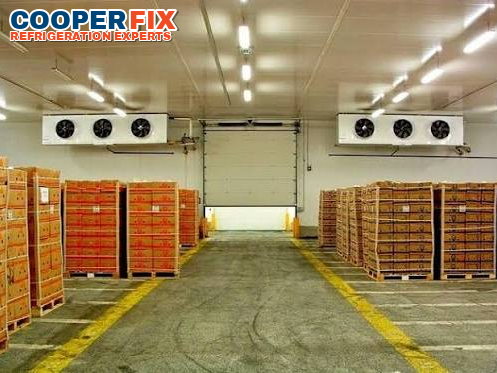
Walk-in coolers and freezers
For a walk-in cooler or freezer, begin with the target and current room temperatures and say whether the change is uniform or limited to one area. Add controller alarms, frost, water and recent door, defrost or drainage observations. Arrange access to the evaporator and the condensing equipment serving the room, but leave covers closed and technical measurements to the technician.
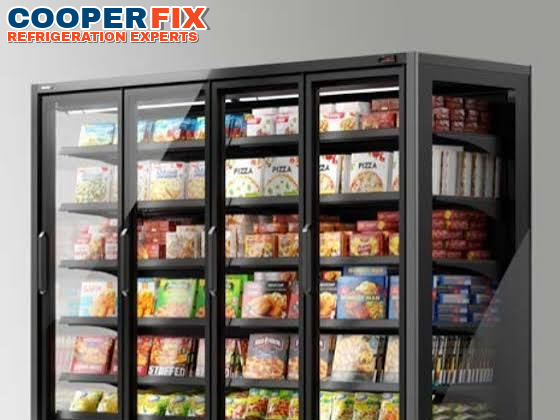
Upright refrigerated storage and display cabinets
Explain how the upright cabinet is normally used, including its loading pattern and typical door activity. Changes in airflow or temperature recovery help the technician compare present cabinet operation with the refrigeration equipment connected to it.
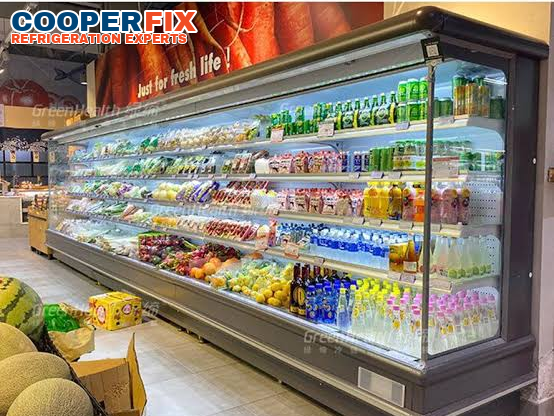
Commercial refrigerated display cases
Name the display bay, shelf or section that is warming and state whether neighbouring areas remain at temperature. Include recent loading, visible water, airflow changes or new operating noise, and provide model information only from a label that staff can read without opening a panel.
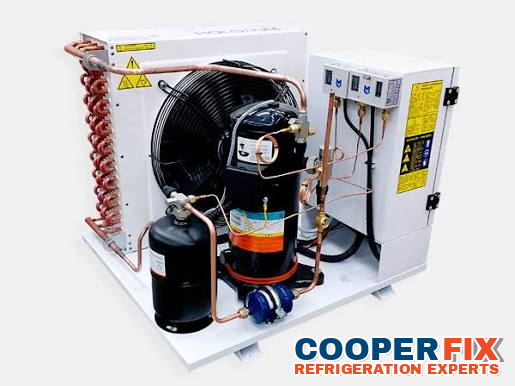
Self-contained and remote condensing equipment
Tell CooperFix whether the condensing section is part of the cabinet or located elsewhere, and describe how it can be reached. Mention unexpected noise or any shutdown event. The affected cabinet or room and its associated condensing equipment must both be available for inspection.
How the technician follows the refrigeration system beyond the first symptom
Finding the cause requires more than looking at the place where warming, frost or water first appeared. The technician follows the connected airflow, controls, drainage and refrigeration circuit through the Thornton equipment.
Temperature history, controller messages and changes across connected equipment help establish how the condition developed. The technician follows the affected unit through its controls, condenser and refrigeration circuit rather than assuming the first visible symptom is the cause. Comparable readings taken at different points in the operating cycle help distinguish a sustained problem from a temporary change associated with defrost, loading or door use.
The findings provided after the assessment should identify the diagnosed condition and work completed. Parts not yet installed, follow-up still needed and the readings staff should watch are recorded as separate next steps.
Electrical supply problems can look like refrigeration faults. Low voltage, a worn contactor or a loose connection can stop a compressor or fan intermittently, so the technician checks the electrical side of the system as part of the same assessment rather than as a separate visit.
Arrange access to the complete system
Make the equipment, disconnect and any remote components safely accessible, and identify who will receive the service explanation. Staff can share controller readings and visible conditions without removing covers or attempting measurements inside the system.
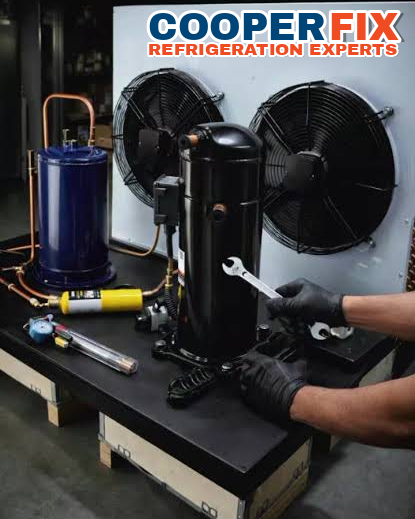
Common commercial refrigeration faults and how repair recommendations are made
The technician first establishes the equipment condition and how the fault affects its commercial use. Only then can repair, monitoring or replacement be discussed as an appropriate response to the tested system.
Airflow and heat-rejection problems
A cooling problem may involve blocked airflow, condenser condition, evaporator frost, a fan or the return-air path. Reviewing those factors together allows the recommendation to target the actual restriction or failed part.
Controls, sensors and defrost operation
Controller output, sensor accuracy and defrost operation are tested alongside the electrical parts they command. The resulting behaviour, rather than the displayed message alone, identifies which control correction should be considered.
Refrigeration circuit and compressor operation
Slow recovery, long run times and frost on part of the evaporator provide reasons to collect operating data. Pressure and temperature measurements are required before recommending refrigeration-circuit work or replacement of a major component.
Recurring problems and replacement planning
A unit is not selected for replacement solely because it cycles often or sounds different. The review also considers application, capacity, electrical supply, physical arrangement and whether the equipment can recover under its normal load.
Display cases and reach-in cabinets react differently to the same fault. An open display case depends on a steady curtain of cold air, while a closed cabinet holds temperature longer when cooling weakens. The technician takes the equipment type into account when judging how serious a temperature change is.
Information Thornton businesses should provide before a refrigeration visit
Describe the actual Thornton property, affected refrigeration equipment, current business disruption and the contact who can arrange access. Do not rely on a generic building description; explain the real equipment layout and any entry restrictions that apply to this site.
Use a property-specific equipment map
List the cabinet, case or room and the known location of its controls, disconnect and remote equipment. State what remains uncertain so the technician can confirm connections on site.
Keep a first-observation record
Write down who noticed the change, the time, the displayed reading and any alarm, sound, frost or water. Later observations should be added rather than replacing the first entry.
Explain the practical interruption
Identify the specific storage, preparation, display or service activity affected at the Thornton address. Avoid broad claims about the property or surrounding business area.
Coordinate several responsible contacts
Distinguish the person who knows the equipment from anyone who controls building access or product decisions. Provide both when one contact cannot cover the complete visit.
Record observations without opening the equipment
Take a time-stamped reading from the equipment’s normal display and note any loading or door activity immediately before it. If the model label is visible from the normal service side, photograph it without shifting the unit or undoing a cover.
Describe which control, breaker or safety device was reset and the equipment response that followed. If it trips again, do not repeat the reset. That event sequence allows the technician to prepare for the appropriate electrical and control checks.
For equipment in a customer area, note whether the temperature change follows busy trading periods, cleaning routines or restocking. A short log with the time of each reading shows the technician how the unit behaves under real conditions rather than only at the moment of the visit.
Use your food-safety procedures while service is being arranged
The person responsible for food safety at the Thornton business decides how product is handled while service is pending. Staff should maintain the site’s normal temperature log, reduce unnecessary door openings and keep the cabinet’s supply and return air paths unobstructed.
Keep staff and customers away if standing water, heavy ice or a suspected electrical fault makes the service area unsafe. Describe the visible condition and its location when calling so the technician can plan a safe approach.
Arrange access to every part of the affected refrigeration system
Ahead of the commercial refrigeration visit in Thornton, provide the full address and unit or suite, locations of the affected equipment and remote components, parking or loading instructions, and the contact authorized to open restricted, shared or rooftop areas. Identify the electrical disconnect and describe the route using the property’s own door, room or equipment labels. Flag any part of the connected system that the regular site contact cannot access. Note any delivery schedule, customer activity or security procedure that affects safe entry. Keep the person familiar with the equipment available to confirm the affected system and the observations reported during booking.
Clear a safe path by moving only ordinary items that staff can handle without risk, and leave fixed refrigeration equipment where it is installed. Keep the responsible contact available to identify the affected unit and receive the technician’s findings.
Confirm what was found, what was repaired and what still needs attention
Before the visit closes, the written findings should separate the confirmed fault and completed work from anything still recommended, being monitored or used only as a temporary measure. Staff should also know which reading point and normal operating condition to use for later checks, with every follow-up item filed under the same equipment identifier.
The Thornton equipment file should retain its model details, controller history, temperature log and service findings. A later request needs to connect the new symptom with the earlier visit date, completed work and intervening change. Meaningful comparison also requires the same reading point and similar site activity.
What to know before requesting commercial refrigeration service
For service in Thornton, provide the equipment location, current readings or alarms, the effect on operations and the contact who can open restricted areas. The technician confirms the diagnosis and repair only after testing the installed refrigeration system.
Does CooperFix assess commercial refrigeration problems for businesses in Thornton?
Yes. Provide the equipment type and location, its displayed and target temperatures or controller alarm and the consequence for the business. CooperFix can plan the service call from those facts, but the installed equipment must be tested before a repair is confirmed.
What should a Thornton business record when refrigeration temperatures begin to rise?
Start with the current display, normal target, alarm wording and the time the change began. Add frost, water, unusual sound, altered run time, recent loading or door activity and whether the whole cabinet or room is affected. Include the last normal reading and any food-safety action already taken by the responsible person. Continue the business’s food-safety procedure while arranging the visit.
Can coil frost by itself confirm a failed refrigeration component in Thornton?
No. Coil frost can be associated with airflow, door use, defrost components, drainage, controls or refrigeration performance. Note the pattern and its timing, photograph it only from a safe place, leave guards in place and keep electrical covers and service panels closed for the technician.
Which access arrangements should be included with a Thornton refrigeration request?
Send the full address and unit, access hours, the equipment’s exact location and the contact who will meet the technician. Identify rooftop or restricted areas, security steps, parking or loading constraints and any separate landlord or property contact needed for entry.
Can one Thornton booking list several affected refrigeration systems?
Yes. List each unit, location and symptom separately, and state which condition presents the highest immediate risk to product or operations. CooperFix can review the full booking during one visit while diagnosing each system from its own readings and condition.
What photographs should a Thornton business take to help plan refrigeration service?
If safe, send a readable model label, the controller screen and a wider image showing the cabinet or room. A close-up should be paired with the wider view so the equipment can be identified. Keep guards and panels in place. Photographs help with planning, not fault confirmation.
Which past service details matter when a Thornton refrigeration problem comes back?
Provide the date and description of the earlier work, followed by the length of normal operation. Explain today’s symptom and when staff noticed it. The technician will compare the new condition with the record, but will still diagnose it independently.
Request commercial refrigeration service in Thornton
If a Thornton refrigeration condition is urgent, call (647) 483-3777 with the unit and service details. Provide the full address, measured temperature, product concern and the name of the person responsible for site access.
Emergency calls are received and assessed 24/7. Availability and response depend on location, workload and the repair required.
Send your Thornton service request
Describe the affected equipment and provide the Thornton service address.