
Walk-in freezer refrigeration repair in King City
CooperFix provides walk-in freezer refrigeration repair in King City, together with maintenance, component replacement and refrigeration-system installation. The work concerns the equipment serving the frozen-storage room: evaporators, condensing equipment, controls, associated electrical functions and the refrigerant circuit. The scope is established for the actual installation and the condition found.
Tell CooperFix whether the request concerns an operating problem, planned work or a system returning to use after a change. A technician assesses the relevant equipment and explains the findings before work is arranged.

Report the affected refrigeration system serving the walk-in freezer clearly
Give CooperFix the King City service address, affected equipment, observed change and contact who can provide access.
- Equipment label, make and model when safely visible
- Directions to the evaporator, condensing equipment, controls, refrigeration lines and electrical disconnect and the authorized access contact
- Room temperature, controller alarm, ice pattern, water, fan sound and run time, with the time observed
Request walk-in freezer service in King City
Product handling decisions stay with the responsible site person. Include a phone number and email address for service coordination.
Define whether the request concerns a fault or planned system work
Provide the King City service address, identify the affected room and describe the refrigeration need. An interruption on an existing system and a proposed installation require different information. CooperFix can discuss both, but the account should make clear what is happening now and what the business is considering for later work.
For a King City walk-in freezer, distinguish an active operating fault from planned refrigeration installation. The steps below establish the room and equipment identity, access requirements and handover needed for the agreed scope.
Describe the current installation and request
Name the room and explain whether its refrigeration is operating, interrupted or awaiting an agreed change. Include a reported alarm, temperature concern or altered running pattern where relevant. Existing equipment references are helpful, but staff do not need to identify every connected component before making contact.
Provide the available work history
For equipment recently attended or changed, retain the existing scope and handover record. Describe what staff observed afterward without assuming the earlier work explains every new symptom. If a proposal has not been carried out, identify it as planned work rather than the current installed arrangement.
Confirm the scope and operating checks
CooperFix explains the findings and the repair, replacement or installation work they support. Identify which equipment is included, which checks were completed and any remaining requirement. Keep the room and system references together so the business can follow the difference between agreed work and work already carried out.
Identify the equipment included in the refrigeration scope
A walk-in room can be served by refrigeration components in more than one location. The visible evaporator is not the complete installation. CooperFix identifies the connected equipment and relevant controls before explaining a repair or proposed change, so the scope describes what will actually be assessed, retained or replaced.
Evaporator assemblies inside the room
The evaporator, fans and applicable controls are assessed in relation to the room complaint. Describe the assembly’s location and any visible or audible change from an ordinary accessible position. The technician confirms the installed design and application before relating those observations to the proposed refrigeration work.
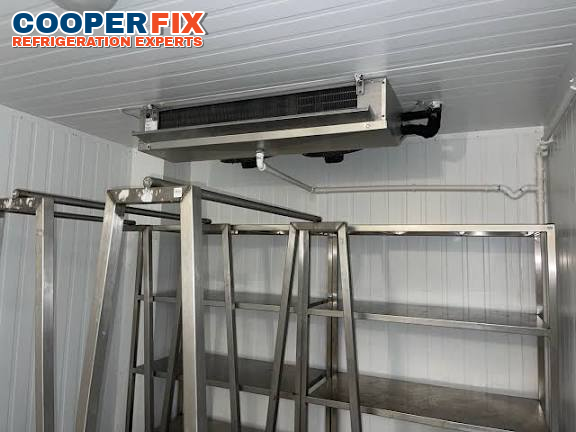
Individual ceiling-mounted units
An individual evaporator reference helps keep a service record attached to the correct assembly. If a component has been changed previously, retain the recorded details rather than assuming its appearance explains the current condition. CooperFix checks the actual equipment and relevant functions before recommending further work on that installation.
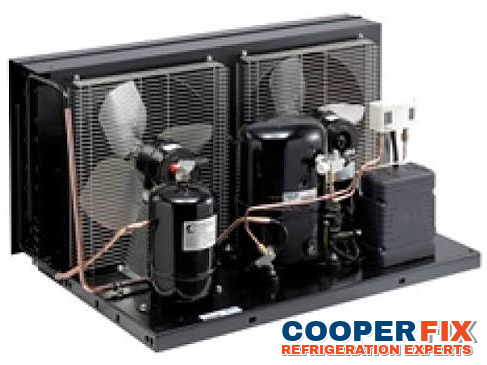
Separate condensing equipment
The connected compressor and condensing equipment may require access outside the room’s normal working area. Give the known location and responsible access contact. A refrigeration proposal should identify the equipment it includes; the technician confirms connections rather than extending a room complaint to an unrelated nearby unit.
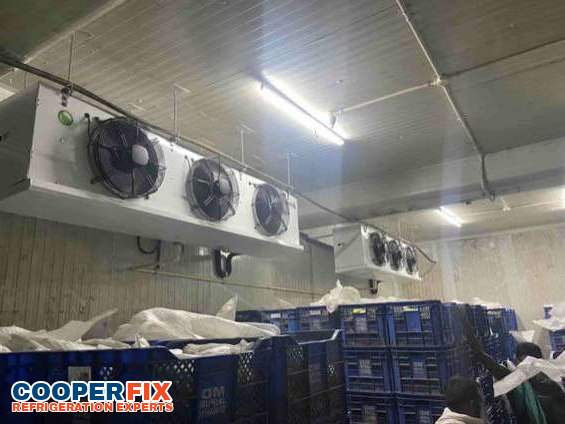
Multi-fan cold-room evaporators
A larger evaporator needs its equipment identity and connected arrangement established before a repair or replacement scope is defined. Report the location of changed sound, frost or room conditions. The technician assesses the applicable fans, controls and refrigeration response, keeping observed symptoms distinct from conclusions about which components should remain or be replaced.
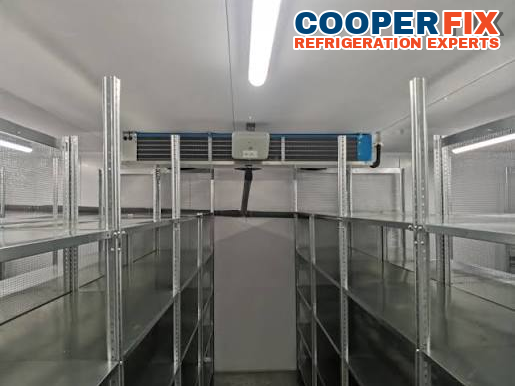
CooperFix at work: connect completed work to the installed refrigeration system
During a walk-in freezer refrigeration visit in King City, the technician identifies the room, connected equipment and purpose of the attendance. A fault investigation, component replacement and system commissioning have related but different scopes. The assessment and service account should identify which of those tasks was actually carried out.
Relevant checks can involve temperature response, controls, electrical operation, fans, defrost and the refrigerant circuit. CooperFix explains the findings and work supported by them, including anything still requiring a component, access or further investigation.
Tell CooperFix who can admit the technician to the room and any separate machinery area. If work requires a planned interruption, identify the responsible site contact and applicable access restrictions. Staff can provide records and ordinary observations without opening protected equipment or carrying out technical tests before attendance.
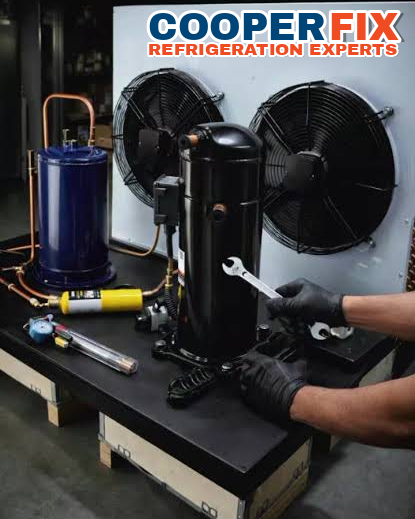
Coordinate access for the whole agreed scope
Name the person who can lead the technician to the unit, controls and remote equipment. Point out known controls, disconnects and remote components without opening protected equipment.
Walk-in refrigeration work with clear boundaries
CooperFix defines work against the equipment and requirements established. An existing fault should not disappear into a future installation discussion, and an installation record should not imply that unrelated machinery was examined. Each scope identifies its purpose, connected equipment and remaining requirements so the business can understand the outcome.
Repair the confirmed system fault
A repair follows findings on the refrigeration serving the identified room. Depending on the installation, relevant work can concern an evaporator component, control, electrical function or refrigerant circuit. The record links the action to the established condition and identifies the checks made afterward, with unresolved observations kept separate from the work completed.
Maintain the identified refrigeration installation
Maintenance planning uses the system arrangement, operating history and access requirements. Include recurring changes noticed between visits, even if the room remains in use. CooperFix distinguishes those concerns from the planned condition review and identifies any further work.
Replace components within a defined system scope
A component replacement must relate to the confirmed installation and the finding it addresses. Explain any proposed change in the room’s intended use before the scope is settled. CooperFix distinguishes the equipment being replaced from components being retained and identifies relevant connections, control requirements and any additional information needed for the work.
Install and commission refrigeration equipment
Installation and commissioning concern the agreed refrigeration system and operating requirements. Access and work coordination are established with the responsible contact. The handover identifies the installation completed and relevant checks, including any outstanding action.
An existing fault and a new installation need separate starting points
An existing fault and a new installation need separate starting points
For an operating system, the technician needs to establish what has changed from its previous condition. A room that has never reached its intended operation after installation presents a different starting point from equipment that has worked normally and then stopped.
An existing fault and a new installation need separate starting points: operating context
This distinction helps define the assessment. Existing performance records, the installation scope and a recent service account can each answer different points. Provide the records already available; staff are not expected to reconstruct technical details. CooperFix identifies what can be established on site and explains any additional information needed.
Identify what stays in place when refrigeration equipment changes
Replacing one component does not necessarily mean replacing the complete refrigeration installation. The proposed work should distinguish the new equipment from retained evaporators, controls and connected components. A model reference and the intended frozen-storage application help the technician assess the arrangement; matching an external appearance alone is not a basis for choosing a replacement.
Identify what stays in place when refrigeration equipment changes: operating context
Tell CooperFix about an intended change in how the room will be used before equipment is selected. Work planned for the present application should not silently become a proposal for a different duty. The agreed scope explains which parts of the installation are included and what requirements remain to be established.
Define whether the walk-in request is for a fault or planned work
Identify the King City walk-in freezer room, the refrigeration equipment known to serve it and the observed operating concern. If the business is planning installation or replacement, describe that intended project separately from a current fault. Include the available installation or service record when one exists.
State when the present change appeared and whether the system operated normally after earlier work. A compressor running or a controller becoming active is useful information but not a complete account of room performance. CooperFix confirms the actual arrangement and relevant checks.
Plan the frozen-stock response around an agreed interruption
If planned refrigeration work requires an operating interruption, identify the person authorized to coordinate it and the business procedures for stored stock. Explain whether the room remains in ordinary use and what timing restriction the site contact knows.
The business retains responsibility for stock-handling decisions. CooperFix explains the refrigeration scope and any limitation identified during assessment or commissioning. Keep a present operating complaint distinct from proposed future work so neither is treated as already resolved.
Arrange access to the room and connected machinery
Provide the room reference, known locations of evaporators and condensing equipment, and contacts who can authorize entry to each area. The person booking may differ from the person able to approve an interruption or receive the technician’s findings. Explain restricted access before attendance.
Staff should not trace lines or open protected equipment to prove a connection. CooperFix confirms the installed system during assessment. If a relevant machinery area cannot be reached, record that limitation so the scope of the visit remains clear.
Document commissioning and later changes clearly
After repair or installation, retain the system identity, components changed, checks completed and any outstanding requirement. Starting machinery is only one operating observation; the handover should distinguish demonstrated operation from checks still needing another condition or visit.
If a new symptom appears after a component change, record its timing and how it compares with the earlier complaint. CooperFix assesses the current condition against the work record without assuming that the recently changed component caused it. Update equipment identification so future maintenance refers to what is now installed.
King City walk-in freezer service information
These answers distinguish repair, replacement and installation requests. The relevant technical work is established from the actual refrigeration arrangement, its intended function and the findings made during assessment.
Does CooperFix handle walk-in freezer refrigeration installation in King City?
CooperFix provides installation and commissioning of refrigeration systems serving commercial walk-in frozen storage in King City. The work is defined around the intended application, selected equipment, connections and access requirements. The completed installation and relevant operating checks are identified in the handover.
What should I provide when the system has only recently been installed?
Give the room reference, installation date if known, and whether the refrigeration has operated normally since the work. Provide the available scope and handover record. Describe the current concern separately so the technician can assess the actual installation rather than assume the cause from its age.
Can a replacement involve only part of the refrigeration system?
The appropriate scope depends on the installed equipment and findings. A proposal identifies which components would be replaced and which would remain. CooperFix assesses the relevant arrangement and intended use before recommending work; a complete system replacement is not assumed from a single symptom.
Is a running compressor enough to confirm that the work is complete?
A running compressor is only one operating observation. Relevant checks depend on the equipment and the work carried out. CooperFix explains the functions checked, the results and any outstanding requirement, so the handover distinguishes a system starting from the wider assessment of its operation.
How do I report a concern that appears after a replacement?
Provide the previous work reference and describe what changed, when it was noticed and whether it resembles the original complaint. Keep existing service records available. The technician assesses the current condition and its relationship to the recorded work without requiring staff to identify a failed component.
What access is needed for planned refrigeration work?
Identify the room, any separate condensing-equipment location and the contact who can provide access. Explain restrictions affecting those areas and who can authorize an interruption. CooperFix confirms the access required for the agreed scope; staff do not need to open protected equipment before attendance.
Should the maintenance record change after new equipment is fitted?
Keep the identification and handover for new components together with details of retained equipment. This lets later maintenance refer to the current arrangement. Report recurring symptoms separately from the planned maintenance request so the technician can address the present concern as well as the agreed review.
Can I discuss an operating fault and a planned upgrade in one request?
Yes. Identify the immediate operating concern and describe the proposed future change separately. CooperFix establishes the current findings and explains the work they support. A future installation discussion does not replace the assessment of an existing fault or imply that proposed work has already been carried out.
Arrange walk-in freezer refrigeration service in King City
Call CooperFix with the King City service address, affected unit and contact who can provide access.
Emergency calls are received and assessed 24/7. Availability and response depend on location, workload and the repair required.
Send the King City service details
Name the person who can lead the technician to the unit, controls and remote equipment.