Confirm the installed unit first
The technician checks the Kitma nameplate, cabinet purpose, door arrangement and accessible components before applying equipment-specific tests.

Kitma commercial refrigeration service
When Kitma-labelled commercial refrigeration changes temperature, recovers slowly, runs differently or no longer supports the work area reliably, the service visit should begin with the installed unit. CooperFix confirms the nameplate, cabinet purpose and operating condition before selecting tests. That protects the business from repair recommendations based on a similar-looking listing or an unverified model description.
The technician connects the reported change with direct measurements. Depending on the equipment in front of them, checks may include cabinet temperature, recovery, airflow, door closure, controls, sensors, fan operation, coil condition, defrost behaviour, condensate handling, electrical condition, heat rejection and refrigeration-circuit performance. Only the checks that apply to the confirmed unit become part of the repair recommendation.
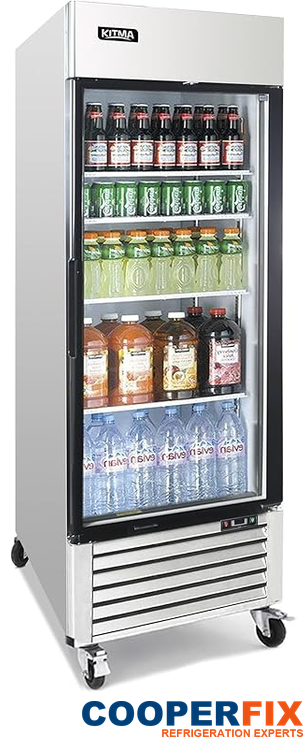
The technician checks the Kitma nameplate, cabinet purpose, door arrangement and accessible components before applying equipment-specific tests.
Temperature behaviour, airflow, controls, doors and refrigeration operation are tested according to the unit that is actually installed.
CooperFix tells the business what was found, which unit is affected and why the proposed repair or follow-up is appropriate.
Start with the affected Kitma unit
Describe the affected Kitma equipment in ordinary language. If the model number is already available from a normal label or business note, include it, but do not delay the request to search inside panels or remove covers. Note whether the issue affects cooling, recovery, doors, frost, water, controls, noise or another visible operating change. CooperFix confirms the unit and chooses the applicable professional tests.
Request Kitma Service
Tell us which Kitma unit is affected and what changed. Our technician will confirm the equipment, test it and explain the recommended work.
Match testing to the equipment that is installed
CooperFix begins with the installed unit rather than relying on a similar-looking online listing. The technician uses the nameplate, cabinet layout, temperature duty and accessible refrigeration arrangement to determine which checks apply. This equipment-first approach supports a clear recommendation for the equipment in front of the technician.
The Kitma models pictured here make that distinction practical: the FCB23RG is a glass-door merchandiser, while the FCC-76R is a refrigerated chef base with four drawers. Display access and drawer storage expose the cooled space in different ways. CooperFix confirms the actual model and use before planning the assessment; the photographs identify these models, not a promise that every installed unit shares their controls, components or operating requirements.
The brand label and model information are compared with the cabinet’s actual business use. Refrigerated storage, frozen storage, display and beverage service create different operating expectations. The technician confirms the duty before interpreting temperature or defrost behaviour.
The number and type of access points affect loading, airflow and recovery. CooperFix checks the affected door, drawer or section separately, including alignment and closure where applicable. A problem at one access point is not automatically assigned to the whole cabinet.
Interior airflow and the condenser’s ability to reject heat both influence cabinet performance. The technician looks for blocked or restricted paths, fan operation and accessible coil condition, then connects those observations with measured temperature behaviour.
Displayed values and control settings are considered alongside independent measurements. Sensors, controller response and operating sequences are checked only as they apply to the installed unit. A display value alone does not establish the cabinet condition.
When the installed equipment includes a sealed refrigeration circuit or defrost functions, qualified testing follows the confirmed design. CooperFix separates a control, airflow, door or frost issue from a circuit finding instead of assuming that every temperature complaint has the same cause.
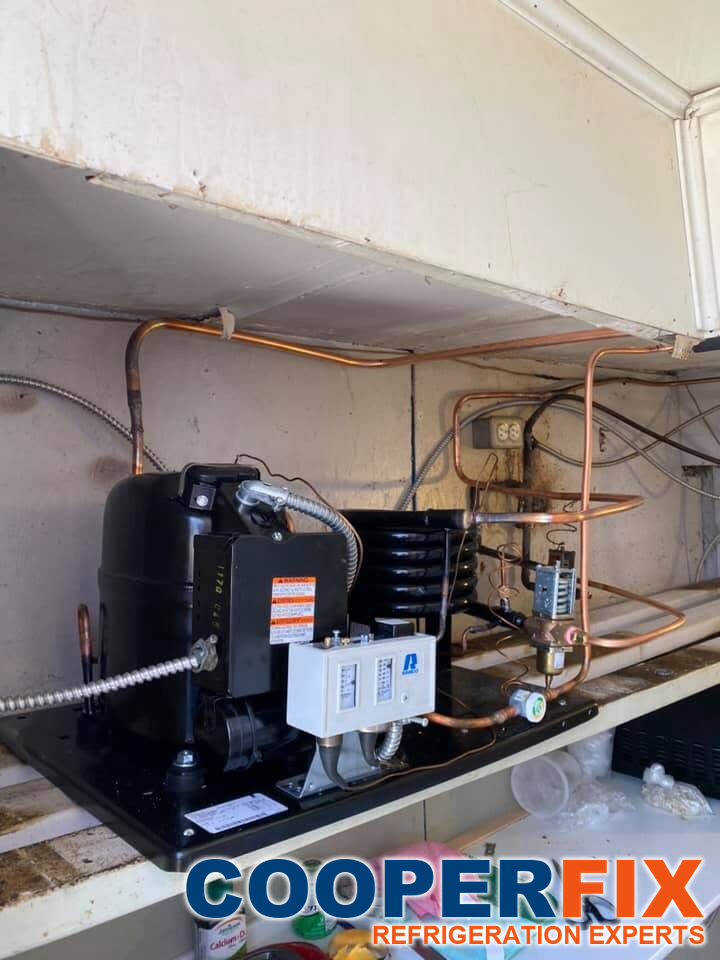
The FCB23RG and FCC-76R photographs show Kitma equipment. The island display and open condensing section illustrate general commercial refrigeration service contexts. Assessment follows the installed Kitma unit.


Symptoms guide the starting point, not the conclusion
A business may notice warmer product, slower recovery, frost, water, unusual sound, a changing display or longer run time. These observations are useful because they show when and where the problem appears. They do not identify a failed part by themselves. CooperFix confirms the unit, reviews the operating conditions and measures the functions connected to the complaint.
The technician may compare temperatures in different areas, observe recovery after normal access, verify airflow, inspect accessible coils and fans, review controls and sensors, check door alignment, examine drains or condensate handling, and evaluate electrical or refrigeration operation. The exact sequence depends on what is installed and what the testing shows.
The recommendation is written in plain language. It explains the affected function, the finding supported by the tests and the work proposed for that Kitma unit. If the cause is not yet established, CooperFix states what further access, observation or part identification is required instead of presenting a guess as a repair.
Timing provides another useful comparison. Staff may notice that the cabinet changes after opening, during a busy service period, overnight or after cleaning. CooperFix compares that timeline with the unit’s measured response and the surrounding conditions. A repeated pattern can guide the order of testing, but the technician still confirms the cause through direct checks before proposing parts or corrective work.
For a Kitma glass-door display, the service record distinguishes the merchandise area that is affected from the overall appearance of the cabinet. A lit display is not evidence of correct refrigeration. For a drawer base, the technician records the affected drawer position and compares it with the other storage areas. A temperature change near one access point may require a different investigation from a change throughout the unit. Those comparisons help avoid replacing a component on the strength of one reading.
The business role helps plan the visit
Commercial refrigeration supports inventory, preparation, display and daily service. A change can affect product handling, workstation flow, menu availability or the amount of backup storage available to staff. Sharing that operating context helps CooperFix plan access and prioritize the affected unit while keeping the technical decision tied to measurements.
Door openings, loading, surrounding heat and cleaning schedules can influence performance, but they do not replace diagnosis. Frequent access does not excuse poor airflow. A warm room does not prove that the refrigeration circuit is healthy. The technician considers normal operating conditions and still tests the equipment directly.
If temporary business steps are already in place, tell CooperFix what staff changed and when. That information helps interpret the timeline without asking employees to perform technical troubleshooting. Electrical panels, refrigerant components and guarded areas remain technician work.
The two pictured Kitma formats also require different access planning. Service around a merchandiser should account for the customer-facing display and product transfers. Work on a chef base should account for drawer contents, nearby preparation activity and equipment supported above it. CooperFix establishes the access needed for the confirmed fault before work begins, so refrigeration service and the business’s handling arrangements remain coordinated.
Keep every cabinet and operating change separate
When a business has more than one Kitma-labelled unit, CooperFix lists each cabinet separately by its model when available, location, purpose and reported change. Measurements, proposed work and authorization remain attached to the correct unit. Shared branding never makes one cabinet’s result proof of another cabinet’s condition.
This separation matters when symptoms sound similar. Two units may both be described as warm while one has an access or airflow problem and the other requires different testing. A frost concern on one cabinet should not influence a nearby unit unless that second unit is independently checked.
Service can also be staged. The business may approve a repair on one unit, plan maintenance for another and request further observation on a third. CooperFix explains each recommendation separately so the decision is clear for every piece of equipment.
Move from the installed unit to a supported decision
The technician checks the Kitma label, model when readable, cabinet purpose, access arrangement, installed location and reported change. Equipment details are taken from the unit itself rather than assumed from an outside listing.
CooperFix identifies the relevant airflow, controls, sensing, fans, coils, doors, drains, electrical components, heat-rejection area and refrigeration functions. Only the systems connected to the complaint are included.
Testing compares the reported behaviour with temperatures, recovery, airflow, control response, electrical operation and other applicable readings. The sequence follows the installed equipment and the findings made during the visit.
CooperFix connects the test results with the affected function and explains the proposed work. After authorized work, the technician retests the functions included in that repair and notes the observed response.
Approved work follows the confirmed cause
Professional work may involve controls, sensors, wiring, fans, airflow restrictions, accessible coils, drains, condensate handling, defrost components, heat rejection or the sealed refrigeration circuit. This is a list of possible work areas, not a statement that every task applies to every Kitma unit.
Access requirements can also differ from one installation to another. The technician confirms safe clearance, protects nearby inventory and work surfaces, and determines whether the affected area can be reached during the scheduled visit. If safe access requires business preparation or a later return, CooperFix explains that requirement before work proceeds rather than compressing the job into an unsuitable service window.
The technician protects the cabinet and nearby work area while accessing the affected components. Door and cabinet findings remain separate from electrical or refrigeration findings. Cosmetic observations do not become cooling diagnoses, and an unusual sound does not become a parts decision without testing.
Close-out follows the authorized repair. CooperFix reviews the functions involved, confirms the equipment response that can reasonably be observed and explains any condition that remains outside the completed work. The result applies to the unit and functions that were actually tested.
Separate the active repair from planned care
An active fault and a serviceable maintenance condition should not be combined into one vague recommendation. CooperFix explains the work needed to address the confirmed problem. Separate observations suitable for planned commercial refrigeration maintenance are listed on their own so the business can schedule them appropriately.
Parts decisions depend on the exact installed component and verified compatibility. A similar-looking online item or an old listing is not enough. CooperFix confirms part details before the recommendation becomes authorized work and identifies when additional access or supplier confirmation is required.
When repair is not yet justified, the service notes explain why. The next step may be further observation, improved access, exact component identification or a return visit under defined conditions. This keeps the business decision connected to what was actually learned.
Preserve useful details about the installed unit
Useful service notes identify the Kitma unit, its location and purpose, the reported change, the tests performed, the findings, the authorized work and the observed response. This helps a later visit distinguish a recurring condition from a different problem without treating the previous result as a permanent diagnosis.
Normal nameplate or cabinet photos supplied through the approved service process can help distinguish similar equipment. Staff should not remove guards or enter technical areas to obtain them. The technician confirms the details needed for testing and parts decisions during professional access.
A future request still begins with the current condition. Loading, door wear, controls and refrigeration performance can change over time. CooperFix uses earlier service notes as background and relies on new measurements for the new decision.
Clear notes also help the business understand which action was completed and which observation remains open. When a replaced or adjusted component is involved, the close-out identifies the affected unit and the function reviewed afterward. Separate cabinets, unrelated conditions and untested areas remain outside that statement, which prevents a narrow repair from being mistaken for a guarantee about the entire installation.
Where several similar Kitma cabinets are present, a useful identifier combines the nameplate information with the equipment’s position and access arrangement. The record can distinguish a particular display shelf area or drawer from a general complaint about the work area. That detail gives the next service request a clear starting point while preserving the need to test the current condition.
CooperFix can evaluate an installed Kitma commercial refrigeration unit after confirming its label, business purpose and accessible equipment details. The technician identifies the unit on site and applies only the commercial refrigeration tests appropriate to the equipment and operating condition found.
The technician checks the Kitma label, model information when readable, cabinet purpose, door or drawer arrangement, controls and accessible refrigeration layout. These details are taken from the installed equipment. Similar online listings are not used to transfer specifications or parts information to the unit without confirmation.
The operating duty is confirmed before temperature, airflow and defrost results are interpreted. Each cabinet receives its own measurements and repair recommendation. A refrigerator result is not used as the target or diagnosis for a freezer, even when the equipment looks similar or carries the same brand.
Tell CooperFix where the affected unit is located, what business function it supports and what changed. Include a model number only when it is already available from a normal label or business note. Do not remove covers or perform technical checks. The technician confirms the equipment and completes the required testing.
Every unit is listed separately with its location, purpose, reported condition, measurements and recommended work. CooperFix can coordinate the visit while preventing findings from one cabinet from being assigned to another. Authorization and close-out remain unit-specific.
The confirmed fault receives its own repair recommendation. Serviceable conditions suitable for planned maintenance are explained separately, and unresolved conditions are not converted into parts decisions without additional testing or exact component identification.
Request service for the affected Kitma unit
Send the required contact information and a brief description of the affected commercial refrigeration equipment. Note what changed, when staff noticed it and which work area is affected. If the Kitma model is already available from a normal label or business note, include it. CooperFix will confirm the unit, perform the applicable tests and explain the recommended work.
Request Kitma Service
Tell us which Kitma unit is affected and what changed. CooperFix handles equipment confirmation, testing and repair planning.
Professional service for installed Kitma equipment
Connect the request to the Kitma-labelled unit and the operating change your business observed. CooperFix will confirm the equipment, test the applicable refrigeration functions and explain the recommended repair or follow-up.