Multiple Omcan cabinets require separate service records
Coordinate several units without combining their findings
A business may operate Omcan equipment from more than one family. Combining all affected units under a single note can obscure which cabinet produced which symptom. CooperFix separates each unit by model, door type, role and reported condition, even when the visit is coordinated as one request.
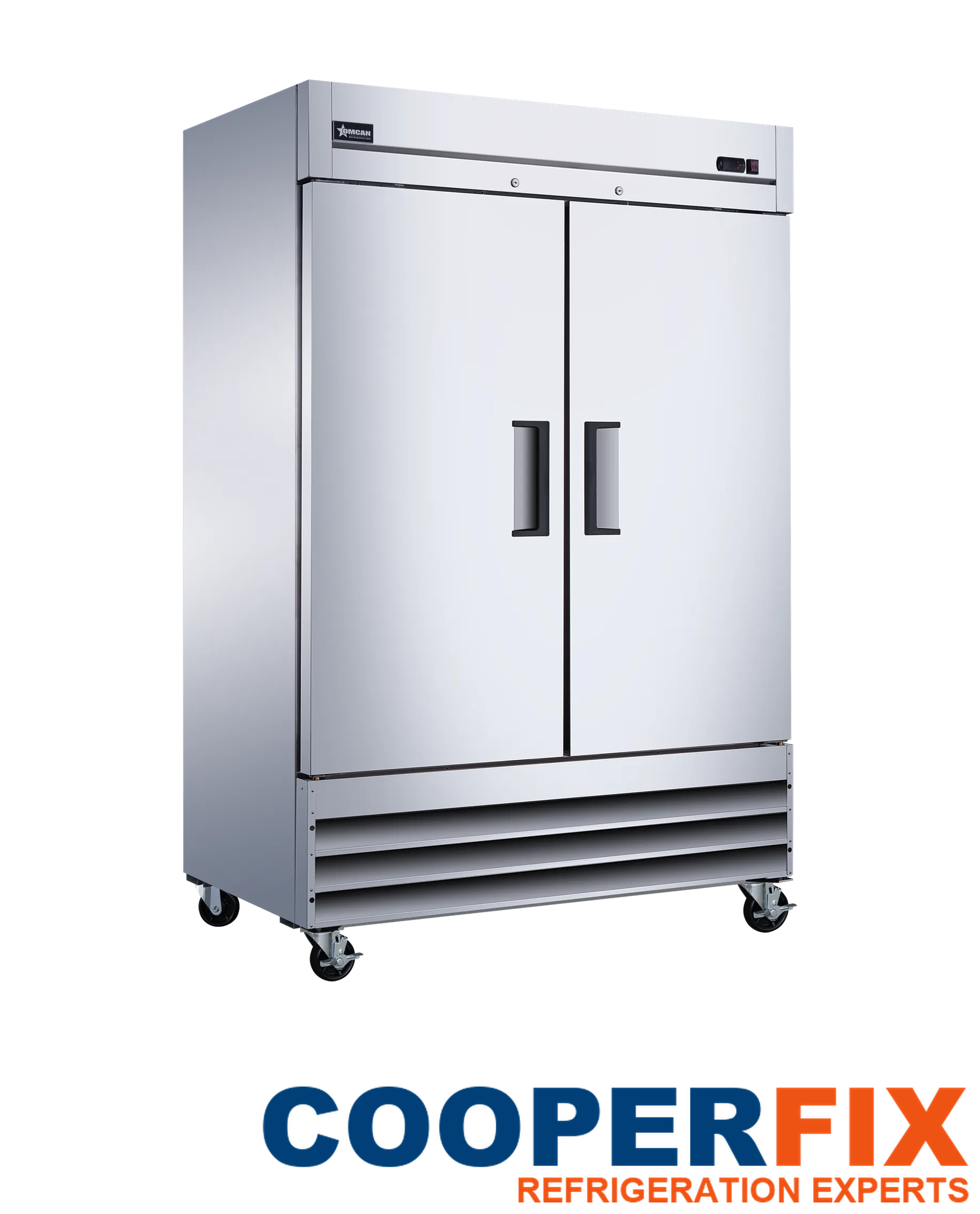
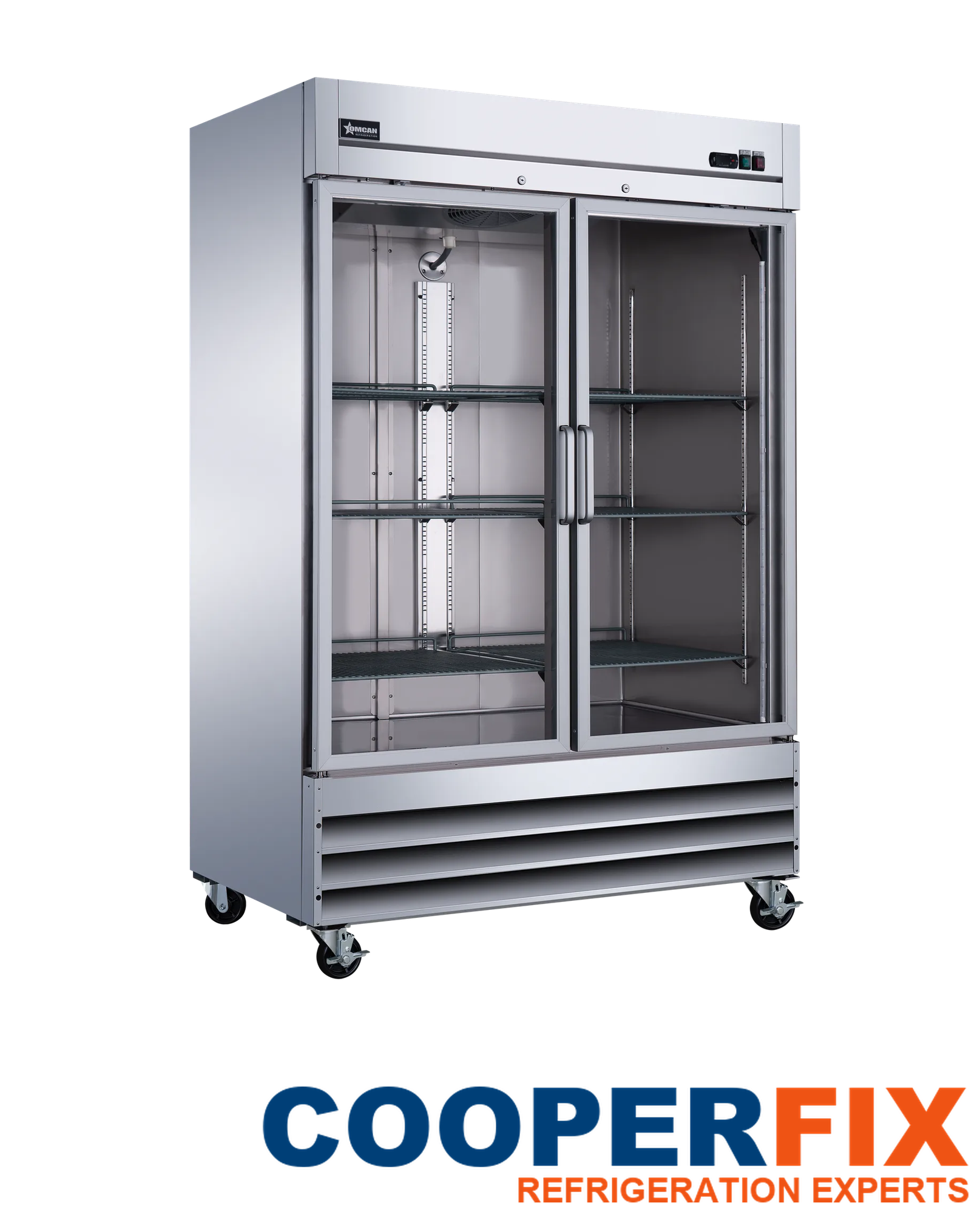
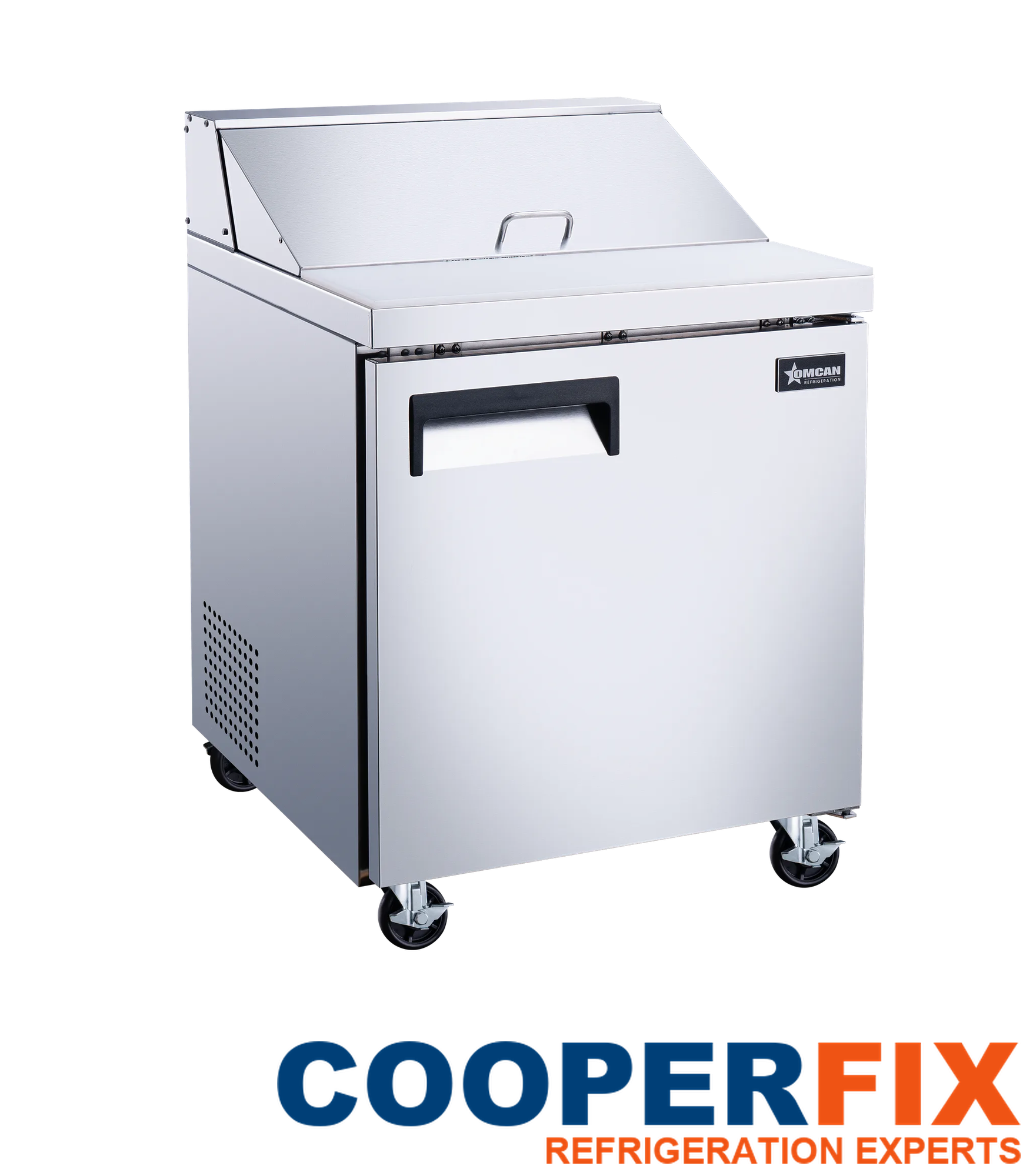
A solid-door reach-in with slow recovery, a glass-door cabinet with condensation and a prep table with a rail concern require separate service notes. Similar timing does not prove a shared failure. Room temperature, power conditions or maintenance history may be common context, but each refrigeration system still needs its own test results.
Unit-level records make later decisions clearer. Parts research, access needs, completed work and post-work observations stay connected to the correct Omcan cabinet instead of migrating between similar stainless units.
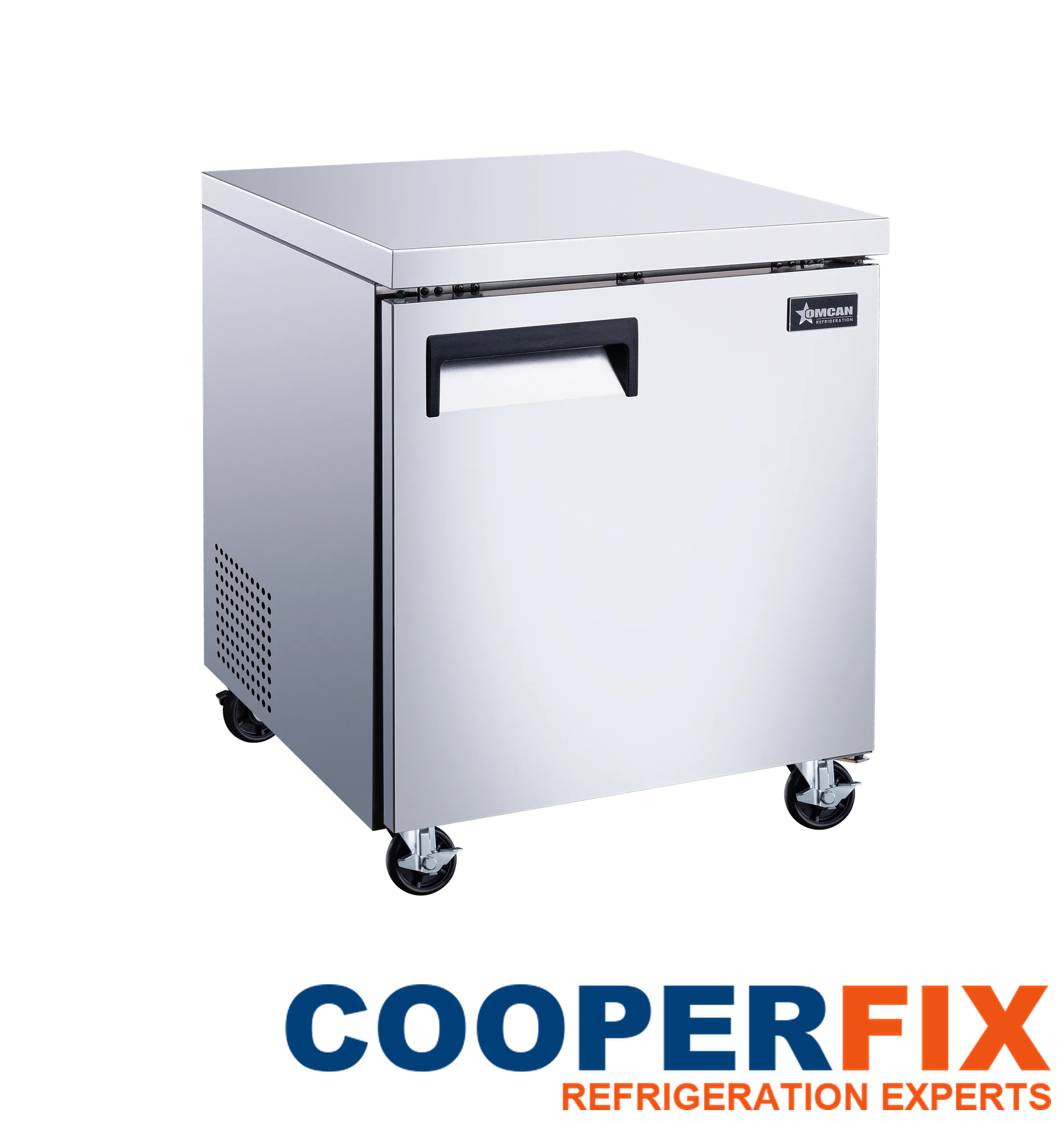
Coordination also benefits from a cabinet-by-cabinet access plan. A prep table may need working clearance around the production line, an undercounter model may sit tightly between adjoining fixtures, and a reach-in may require access at its refrigeration section. These are planning facts rather than assumptions about cause. The technician confirms the actual installation and notes any condition that limits inspection, testing or authorized work.
When several cabinets share a room, common surroundings are noted without collapsing the technical notes. Ambient heat, restricted clearances, recent cleaning activity, door traffic or a reported power event may form useful context. Each cabinet's temperature behaviour, controls, fans and refrigeration response are still evaluated independently. That separation helps distinguish a shared site condition from a unit-specific fault and keeps the next step tied to measurements.