Cabinet history preserves display-specific decisions
Keep QBD model, door, and cooling-deck findings together
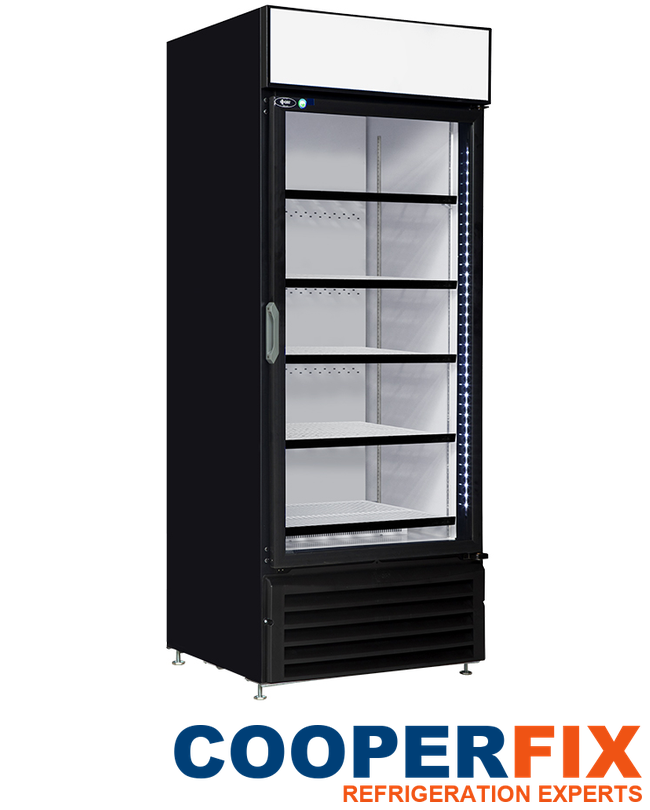
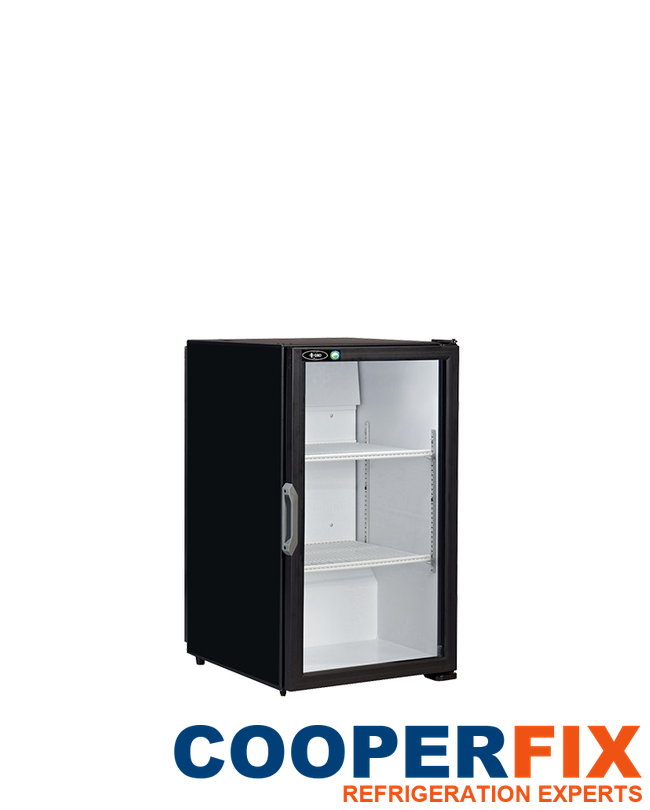
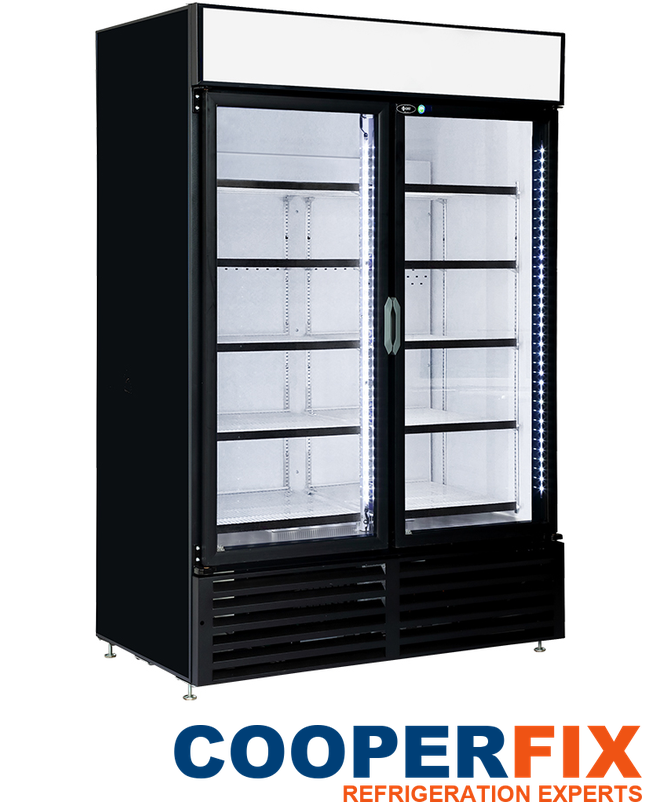
A useful service file allows the next technician to identify the exact QBD cabinet and understand its earlier condition. It includes model and serial information, single-door, double-door, countertop or pass-through format, cooling-deck arrangement, reported change, measured findings, approved work and post-work observations.
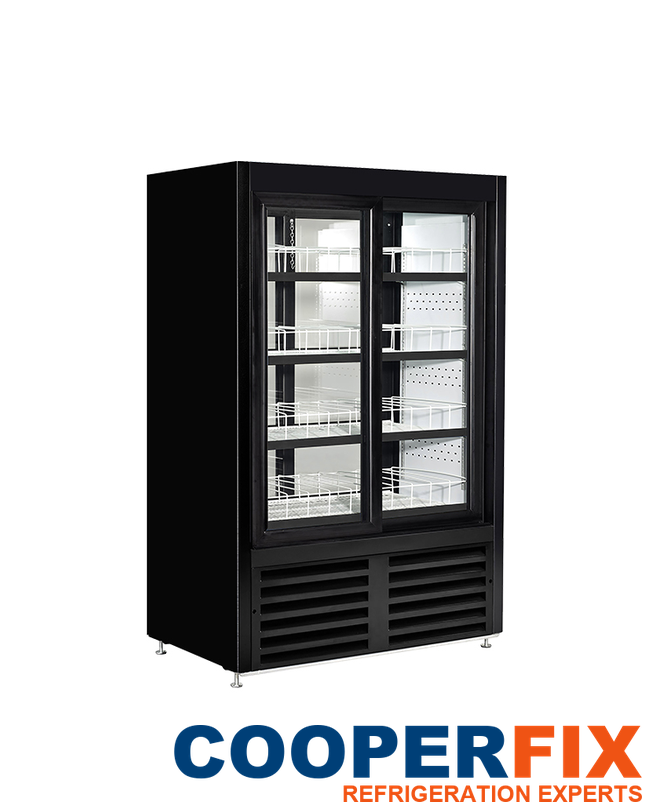
The record keeps formats distinct. A CD26-HC single-door finding should not migrate to a DC6-HC countertop cooler, and a sliding-door observation from a CD3360CPT-HC should not be assigned to a CD47-HC two-door cabinet. This precision supports future parts research and avoids turning a brand-level feature into a model-wide assumption.
Pass-through and sliding-door merchandisers also require side-specific notes. CooperFix records which access face, track, lighting zone or airflow path is involved, then keeps that observation attached to the same model during testing and close-out. This prevents a report from one side from being assigned to the other.
Continuity also includes the operating context. Loading, access, surrounding fixtures and normal use are noted when they are relevant. If a setup or revision cannot be confirmed, the service file states so rather than filling the gap with an assumption based on another product listing.
Photographs of the nameplate, cabinet and installation may support identification when obtained through the approved process, but they do not replace written measurements. The handoff should state what was inspected, which work was completed, what operation was observed afterward and whether a remaining condition requires monitoring or a separate decision.