
Commercial Freezer Repair in York
York businesses use commercial freezers for reserve stock, production and frozen display. When one cabinet becomes unreliable, CooperFix assesses that installed unit, identifies the fault supported by findings and explains the proposed repair to the authorized contact. Stock handling remains the business’s decision; technical diagnosis remains with the technician.
This service is for standalone business freezer cabinets such as reach-ins, uprights, undercounter units and display freezers. It concerns their refrigeration components, electrical operation, fans, controls and defrost functions where applicable. A walk-in freezer refrigeration system is a distinct equipment category. Tell CooperFix the York site address, which freezer is affected and who can coordinate the visit. Our technician determines the technical cause; staff are not expected to inspect components or interpret control information.

Plan the commercial freezer visit around the affected operation
Commercial equipment
The service scope is limited to refrigeration equipment used by a business.
Technician-led diagnosis
Staff report observations while the technician identifies the equipment fault.
Documented next step
The service discussion separates completed work from parts or follow-up still required.
Describe the York equipment that needs attention
Provide the business address, equipment location, observed condition and on-site contact. CooperFix will use those details to discuss the next service step.
Send the service request
From Business Interruption to Equipment Repair
Identify the freezer and the operating need
The request begins with an address, a contact person, the kind of freezer and an ordinary account of the interruption. A retail display cabinet may affect customer-facing stock, while a reach-in used behind the counter may affect preparation. CooperFix uses this context to identify the equipment that needs assessment. If several cabinets are involved, the service scope can name each one separately so a finding on one is not automatically applied to another.
A business along a York commercial corridor may have limited space to shift work when a freezer becomes unreliable. That circumstance matters to the service conversation, but it does not establish whether the fault lies in controls, electrical operation or the refrigeration circuit. Staff can describe the business effect without undertaking technical tests.
Investigate the unit’s operating functions
The technician examines the installed freezer and the system functions relevant to the complaint. Compressor operation, electrical starting, evaporator and fan behaviour, condenser performance, controls and defrost can influence one another. CooperFix uses measurements and observation to separate the root condition from a visible consequence. A freezer that runs continuously and one that will not start might both affect stock, yet they may require entirely different work.
The assessment should explain what is confirmed and what remains uncertain. If a component appears affected because of another fault, the proposed work should address the underlying condition rather than stop at the first visible sign. CooperFix communicates that reasoning to the authorized business contact so the repair recommendation reflects the actual cabinet.
Agree on the work and communicate the result
Once the fault is established, CooperFix explains the repair appropriate to that freezer. Depending on the findings, work may involve an electrical component, control device, fan, defrost function or refrigeration-circuit part. The proposal can address parts and access limitations specific to the unit. After authorized repair, the technician assesses the functions relevant to the work and explains what was completed.
The manager can use that account to coordinate stock and staff decisions under the business’s own procedures. A repair explanation should distinguish the condition checked during service from operating behaviour that needs more observation. If further work is required, it is identified as a separate next step rather than presented as an already completed result.
Freezers with Different Roles in a York Business
The installed design determines which components and service checks apply.
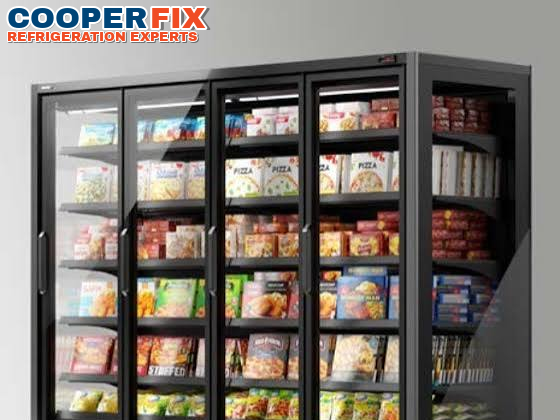
Reach-In Cabinets for Working Stock
A reach-in freezer can support repeated access during a shift. When its performance changes, the problem may first appear in the workflow rather than as a clear alarm. CooperFix evaluates the specific cabinet, its controls and its refrigeration functions. The technician considers how the unit is installed and used, then determines whether an electrical, air-movement or circuit condition is responsible. The cabinet’s role helps explain business impact, while tests establish the repair.
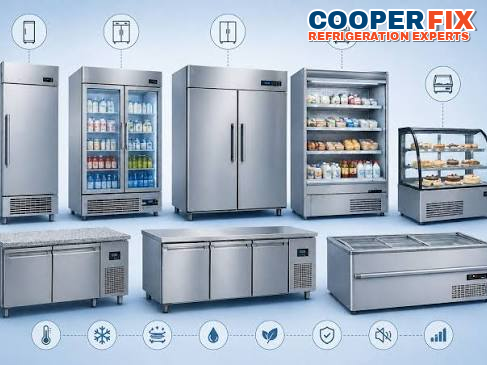
Upright Units for Reserve Inventory
An upright freezer may hold stock across deliveries and work periods. If it becomes unreliable, purchasing and rotation decisions can be affected even when the business has another working unit. CooperFix assesses the affected upright on its own merits. A prolonged running cycle, inconsistent cabinet condition or interrupted defrost sequence may each require a different technical response. The service recommendation follows the fault confirmed for that unit.
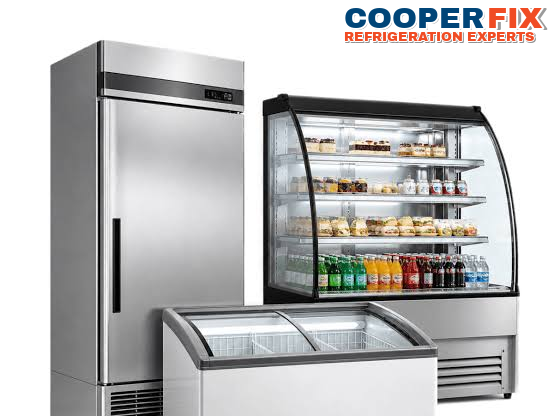
Chest Freezers for Bulk Frozen Inventory
A commercial chest freezer may support a bulk-stock role different from a display or frequently accessed station unit. When operation changes, the business can describe the inventory impact without examining internal components. CooperFix assesses the installed model’s control, electrical and refrigeration functions, including any applicable defrost arrangement. The unit’s horizontal format shapes access, but it does not identify the cause. We explain the repair that the equipment findings support.
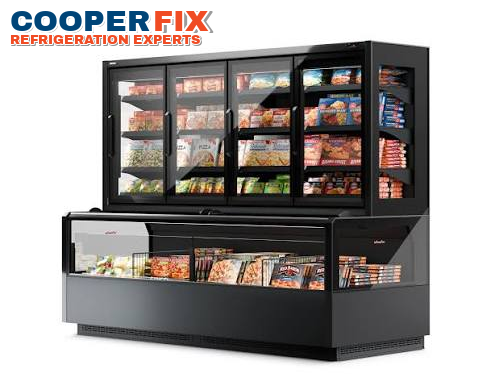
Display Freezers in a Customer Area
A display freezer combines stock holding with product presentation. When it falters, the business may need to change the merchandising plan while the technician investigates the equipment. CooperFix assesses controls, air movement and refrigeration behaviour appropriate to the display design. An uneven cabinet condition can have more than one cause, so the case is diagnosed as an installed unit rather than treated as a generic retail symptom.
CooperFix at Work: A Diagnosis the Manager Can Use
CooperFix’s technician identifies the affected freezer, follows the equipment functions that could account for the interruption and explains the confirmed condition. The service proposal is connected to that finding, not to a part selected from an online symptom list. After work, the technician describes which functions were assessed and any issue that remains. This helps a York business distinguish the repair of one cabinet from broader stock or scheduling decisions it must make for itself.
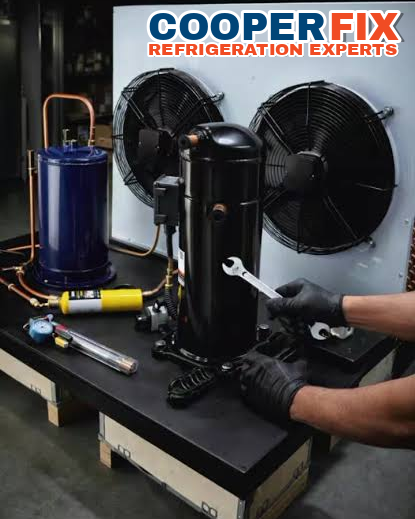
Equipment-specific findings
The technician connects the observed condition to the installed refrigeration system.
Commercial Freezer Repair Services in York
The repair recommendation follows the confirmed equipment fault.
Diagnosis of Unreliable Performance
Long running, uneven cycling or weak freezer performance needs assessment of the installed unit. CooperFix checks relevant controls, electrical operation and refrigeration functions, then explains the fault supported by findings. The manager’s report frames the visit but does not identify a failed part.
Electrical Starting and Control Work
Electrical starting components, protective devices and controls determine how the freezer operates. A unit that stops unexpectedly or does not restart may need testing across those connected functions. CooperFix identifies the fault established by assessment and performs appropriate electrical or control repair within its commercial refrigeration scope. The explanation should show how the work addresses the installed freezer. Staff do not need to test wiring or decode the controller before requesting service.
Airflow and Defrost Repairs
Fan operation and defrost sequence affect the cabinet as its operating pattern repeats. A visible change near the evaporator can be the effect of a fault elsewhere in that sequence. CooperFix checks the functions relevant to the particular model and repairs the confirmed condition. Frost by itself does not say whether a fan, control or other component has failed. The technician provides a technical explanation without shifting investigative tasks to busy employees.
Refrigeration-Circuit Component Work
The compressor, evaporator and condenser operate as parts of a connected refrigerant circuit. A problem involving that circuit can influence other freezer components and create a business complaint that resembles an electrical fault. CooperFix assesses the system relationships before recommending a circuit repair. The authorized contact can ask what was found, why work is proposed and what operation can be assessed after service. A component replacement should be justified by findings from the actual cabinet.
York Operations That Need a Precise Freezer Decision
The equipment role and property access shape the service request.
A Neighbourhood Food Retailer
The request should name the equipment and explain which daily activity it supports.
A Café or Restaurant With Limited Storage
Staff can report the observed change without assigning a failed component.
A Shared Commercial Property
The site contact should provide access instructions for the equipment and any remote components.
A Recurring Interruption Across Shifts
The service record should keep findings and authorization tied to the unit assessed.
A Neighbourhood Food Retailer
A retailer along a local York commercial street may hold frozen goods for display or reserve stock. If one freezer becomes unreliable, staff may need to change product handling while service is arranged. CooperFix’s role is to identify the equipment fault and explain the proposed repair. The manager decides how to handle stock according to the business’s own procedures. The service account should name the affected cabinet, not imply that every freezer in the store shares the same problem.
A Café or Restaurant With Limited Storage
A small food-service operation may rely on one freezer for ingredients needed across several service periods. An interruption can affect purchasing and preparation even if the cabinet is physically modest. CooperFix investigates the freezer and communicates what repair is appropriate. The business does not need to compile a technical report to call; the site contact, equipment type and ordinary description of the issue are enough to begin.
A Shared Commercial Property
A tenant may operate the freezer while a property contact coordinates access or approval. CooperFix can receive the service request from an authorized party and assess the installed unit. Its findings distinguish the observed equipment fault from operational concerns described by different contacts. A clear proposal helps those people make a decision about work without treating a relayed alarm or an employee’s first impression as the final diagnosis.
A Recurring Interruption Across Shifts
Sometimes a freezer returns to apparent operation and then fails again during another shift. CooperFix treats that history as context for assessment. The technician investigates what can be established from the unit and explains whether a repair is supported or further evaluation is necessary. A temporary return to operation is not, by itself, evidence that the underlying fault has disappeared. The business can make the next decision using a professional account of what was actually found.
When two York freezer cabinets serve different stock roles, CooperFix identifies the one reported and assesses its controls, airflow, defrost and refrigeration functions. Similar symptoms do not establish a common cause. The service record keeps findings, proposed repairs and authorization tied to each cabinet actually assessed.
York Commercial Freezer Repair FAQ
These answers explain how to prepare equipment, symptom and access information without asking staff to diagnose the unit.
What types of commercial freezers does this service cover?
This service concerns standalone business freezer cabinets, including reach-in, upright, undercounter and display units. CooperFix examines the functions relevant to the model and reported problem, from refrigeration and electrical operation to fan, control or defrost behaviour. A walk-in freezer refrigeration system is a distinct service category with a separate service. The repair for any cabinet depends on a technician’s findings.
Can CooperFix assess an intermittent fault?
Yes. A freezer that resumes operation after an interruption may still need professional assessment, especially if the issue recurs or affects stock handling. CooperFix investigates the installed unit and explains what can be confirmed during service. If the fault cannot be fully established from the available conditions, that limitation is communicated. A temporary recovery does not by itself identify the cause.
What happens when the cabinet runs but performs poorly?
Running does not establish that all refrigeration and control functions are working correctly. CooperFix assesses the cabinet and the components relevant to its operating behaviour. The technician explains the confirmed finding and proposes work supported by that assessment. A business can describe the impact in ordinary terms; it need not interpret readings or identify the failed part first.
Do you repair controls and defrost functions?
These functions can be part of commercial freezer diagnosis and repair when the installed equipment uses them. CooperFix tests the relevant operating sequence and explains whether a control, electrical or defrost fault is supported by findings. A displayed code or frost pattern may direct attention, but it is not a complete diagnosis. Technical interpretation stays with the technician.
What should a York business provide at first contact?
Send the site address, a responsible contact, the affected freezer type and a short explanation of the interruption. When more than one unit is involved, name the cabinets so CooperFix can discuss the visit’s scope. Further ordinary site information can be requested while arranging service. Staff do not need to open equipment or provide component measurements.
How does CooperFix handle an emergency request?
Contact CooperFix with the York location and the operational concern. Emergency requests are assessed under the availability statement above. The service team can discuss the next step after understanding which freezer is involved. A request starts with business and equipment information, while a technician determines the technical fault through assessment.
Will the repair be explained before work proceeds?
CooperFix explains the confirmed fault, the work proposed for that cabinet and any limitation that affects the decision. An authorized contact can consider the recommendation alongside the business’s own operating needs. After approved work, the technician explains what was completed and assessed. Warranty applicability can be discussed for the actual repair performed rather than assumed for unrelated conditions.
Arrange commercial freezer service in York
Describe the affected equipment, current condition, business address and access contact. If the issue is urgent, call (647) 483-3777 with these details.
Emergency calls are received and assessed 24/7. Availability and response depend on location, workload and the repair required.