
On-site commercial fridge service for Toronto businesses
Commercial Fridge Repair in Toronto
A commercial refrigerator supports the flow of stock through receiving, storage, preparation and customer service. When a reach-in cabinet, prep table, undercounter unit or display case no longer performs as intended, the business needs a repair recommendation based on the actual equipment rather than a guess from the symptom.
CooperFix provides professional assessment and repair for commercial fridge equipment at Toronto business locations. The technician evaluates the cabinet and its refrigeration system, traces the operating problem to its cause and describes the fridge-specific work proposed.
- Focused service for commercial refrigerators and medium-temperature equipment
- On-site diagnosis of controls, electrical components, fans and the refrigeration circuit
- Service planning around the address, equipment location and business access
For access planning, give the Toronto location, the person responsible for the fridge area, the cabinet style and the performance change. If the data plate can be read without disrupting operations, include its identifying details.

Protect the role that refrigerated storage plays in the business
Commercial fridge equipment is often positioned close to the work it supports. A reach-in cabinet may hold daily stock, a prep table may support a service station, an undercounter unit may keep frequently used items accessible and a display case may place products in front of customers. Performance problems can therefore affect both product handling and staff workflow.
CooperFix treats the unit as part of that operating context. The service assessment establishes which component or system condition is responsible, while the business contact explains how the fault is affecting current use. That combination supports a repair scope tied to the installed equipment.
Request Commercial Fridge Repair in Toronto
Describe the affected refrigerator, where it is located and what changed in its operation. CooperFix performs the technical diagnosis; your request only needs the practical details that identify the unit and its impact on the business.
- Toronto address and the location of the affected commercial fridge
- Fridge-area contact and callback number
- Equipment type and short symptom description
- Commercial fridge model and serial identification, when readily available
A fridge repair process built around the installed unit
1. Identify the cabinet and operating change
CooperFix confirms the service address, the equipment category and the change noticed by the business. Useful request details include whether the issue is constant or intermittent, whether the entire cabinet or one section is affected and how the problem is disrupting current use. The customer is not asked to determine the failed part.
2. Diagnose the cabinet refrigeration system
The technician evaluates the equipment configuration and the components relevant to its operation. Controls, sensors, fan motors, electrical devices, compressor performance, refrigerant-circuit behaviour and the relationship between a prep rail and its base cabinet may all require professional assessment.
3. Review the repair scope
CooperFix explains the fault found and the repair proposed for that unit. If a replacement component is required, suitability for the model and application is part of the recommendation. Any follow-up step is discussed with the business contact before it becomes part of the work.
Toronto commercial refrigerator formats within this service scope
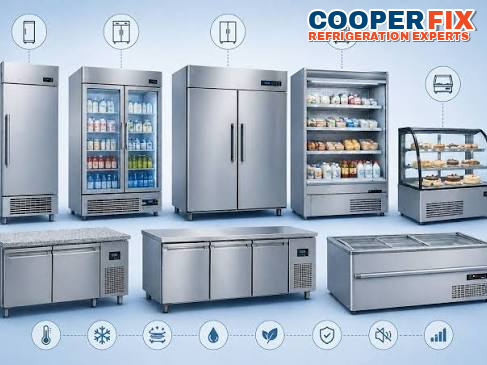
Reach-in refrigerators
Single- and multi-section reach-ins are used for organised access to chilled stock. A controller alert, unstable cabinet temperature, extended run pattern or change in fan sound may be associated with different faults. The technician evaluates the unit before identifying the repair.
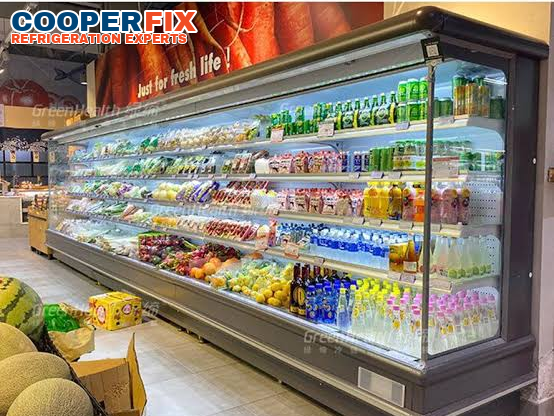
Open-front refrigerated displays: presentation with a defined air curtain
An open-front display relies on a designed air path. CooperFix assesses its fans, controls and refrigeration response when the issue points to uneven performance. The open frontage differs from a sealed reach-in; observations require interpretation in that case design. A repair plan should identify a failed equipment function rather than assuming every difference along the display is a component fault. The business explains the affected product area; CooperFix determines the cause.
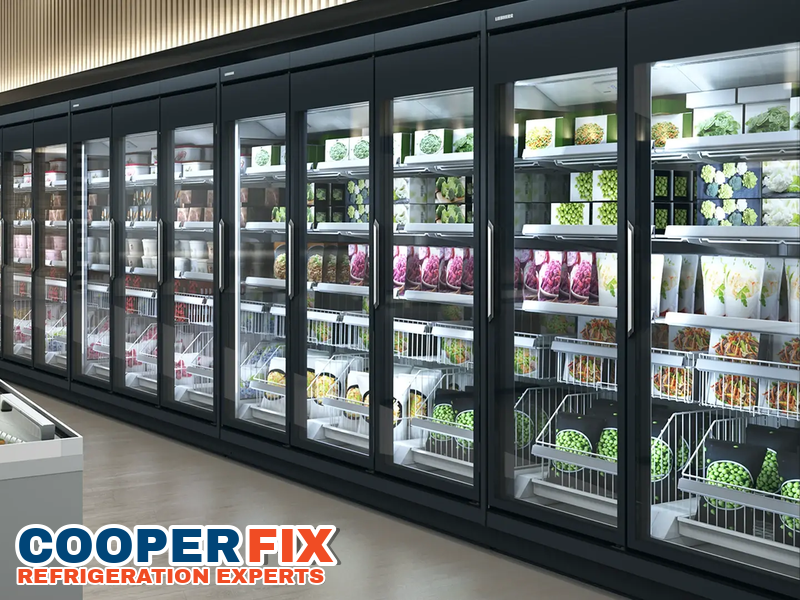
Glass-door beverage refrigerators used for retail turnover
A glass-door beverage refrigerator serves a customer-facing sales role while staff replenish it from another stock point. If its operation changes, the interruption affects both presentation and the availability of products for purchase. CooperFix assesses the actual commercial cabinet, including its controls and relevant refrigeration functions, rather than inferring a failed part from an alarm or a lit display. The business can identify which unit and stock line are affected.
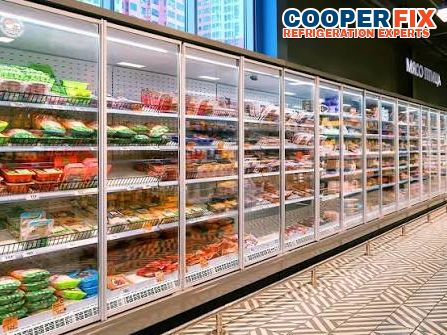
Refrigerated display cases
Display equipment supports product holding and merchandising at the same time. The service assessment considers whether the performance change is isolated to a section, related to controls or fan operation, or connected to the wider refrigeration circuit.
Diagnosis that follows the fridge system, not a generic symptom
Two commercial refrigerators can show a similar temperature change for different reasons. A sensor can report incorrectly, a fan can lose performance, an electrical component can interrupt operation or the refrigerant circuit can fail to provide the intended result. The visible condition is the beginning of the assessment, not the repair conclusion.
The CooperFix technician works from the equipment design and its operating state. Relevant measurements and component tests are performed at the unit. For a prep table, the relationship between the upper ingredient section and the base cabinet may matter. For a display case, airflow and control behaviour across the merchandising area may matter. For a compact undercounter model, component arrangement and operating load may shape the assessment.
Once the cause is established, CooperFix explains the repair and the result it is intended to restore. This gives the business a technical basis for the work without transferring fault diagnosis to staff.
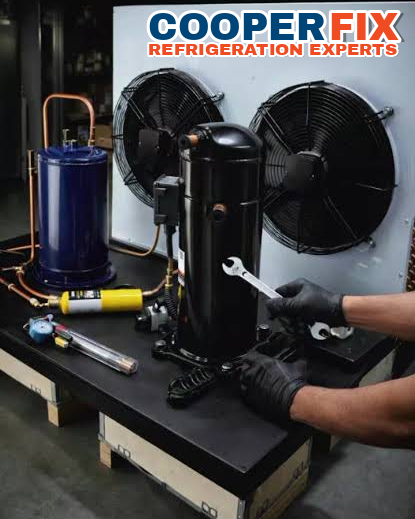
Fridge repair work directed by the diagnosis
Temperature controls and sensors
Controllers and sensors influence how the cabinet starts, stops and responds to changing conditions. The technician compares controller commands with sensor feedback and cabinet response before attributing the problem to a control component.
Evaporator fan and airflow performance
Air movement distributes refrigerated air through the cabinet or case. Fan motors, blades, guards and the equipment’s internal path can affect performance. The required work depends on what the assessment establishes.
Compressor and starting components
A compressor start request passes through the cabinet controls and electrical starting circuit. The technician verifies the command, electrical response and system operation before deciding whether the fault belongs to a starting device, the compressor or another part of the refrigeration circuit.
Refrigerant-circuit assessment for commercial fridge units
Circuit condition, metering behaviour and system performance require professional instruments and interpretation. The technician connects those findings to the cabinet complaint and the equipment design.
Defrost and moisture-management components
Where the model includes timed or demand-based defrost functions, controls and related components can influence cabinet performance. Their relevance is determined from the unit rather than assumed from surface symptoms.
Suitable replacement parts
A replacement must match the equipment model, electrical characteristics, application and system requirements. CooperFix identifies the part in relation to the confirmed fault and discusses any sourcing step with the business.
Commercial fridge needs across Toronto operations
Refrigerated holding for restaurant and café operations
Reach-ins, prep tables and undercounter units can support different stages of daily service. A problem in one cabinet may reduce available ingredients, change staff movement or limit part of the menu. Identifying the affected unit and its role helps CooperFix understand the business impact while planning the assessment.
Customer-facing commercial fridges for food retailers
Display cases and back-stock refrigerators serve different purposes. A customer-facing case affects product presentation as well as holding conditions, while a stock cabinet affects replenishment. The technician assesses the exact equipment involved and the components responsible for its operation.
Grocery and convenience locations
Several independent refrigerators may be distributed across one site. Unit numbers, case position or department location can help identify the unit without asking staff to perform technical work. When problems involve multiple cabinets, list every affected unit in the request.
Commercial food preparation sites
Preparation work may rely on equipment positioned near specific stations. Access and timing can matter when a technician needs room to evaluate a prep table or undercounter unit during an operating day. The service contact can discuss site arrangements before the visit.
A fridge fault can change both stock handling and staff workflow
Medium-temperature equipment is often opened and restocked throughout the day. When performance becomes unstable, the business may need to change where products are held, how a service station is used or which items remain available. Those operating consequences help establish priority, but they do not identify the technical cause.
CooperFix keeps the request simple: identify the cabinet, describe the change and explain the business impact. The technician handles measurements, component evaluation and fault interpretation at the site.
Assess performance in the context of how the cabinet is used
Commercial fridges in Toronto may sit behind active counters, below preparation surfaces, in compact stock areas or inside multi-tenant properties with controlled service access. Identifying the unit’s location and any loading, security, elevator or operating-hour restrictions helps CooperFix plan access to the installed equipment. The technician still performs the measurements, diagnosis and repair recommendation on site.
A commercial refrigerator responds to product load, access frequency, ambient conditions and the design of its controls and refrigeration system. A prep table during a busy period may operate under a different load from a reach-in used mainly for reserve stock.
The assessment considers the installed equipment and the reported pattern together. This prevents one operating observation from being treated as proof of a particular failed part and keeps the repair recommendation tied to evidence.
Air movement can be connected to more than one part of a commercial refrigerator’s operation. The technician evaluates the airflow-related functions that apply to the cabinet and considers them alongside the other findings. CooperFix then explains whether an airflow issue is the confirmed fault, one part of a broader problem or evidence that directs the assessment toward another relevant function.
Separate a local section problem from a cabinet-wide fault
Some commercial refrigerators contain multiple sections or functional areas. A change may appear in one compartment, across the entire cabinet or only during a particular operating period. The technician determines whether the issue is local to a component or connected to the broader system.
This distinction matters for repair scope. A targeted component repair and a system-level repair involve different work, parts and verification. CooperFix explains which condition was found in the installed unit.
Controls and electrical components influence when refrigerator functions start, stop and respond to operating demand. CooperFix tests the relevant behaviour at the installed cabinet and determines whether the evidence supports a control or electrical repair. The customer receives an explanation of the finding and proposed work rather than an instruction to interpret readings, codes or component behaviour independently.
Base the repair recommendation on condition, compatibility and purpose
When a component has failed, replacement is not simply a matter of selecting something that fits. Electrical ratings, control logic, refrigeration application and model compatibility can all affect suitability. The recommendation must also address the fault identified during assessment.
If the condition of the equipment raises a broader decision, CooperFix can explain the diagnostic findings and the proposed scope. The business can then consider the repair in relation to the unit’s role and condition without receiving an unsupported outcome promise.
Refrigeration components operate as part of a circuit, so a single symptom does not establish which component requires work. CooperFix assesses the applicable equipment functions, identifies the evidence supporting the diagnosis and connects any component recommendation to the verified condition. This provides a reasoned repair scope without transferring technical diagnosis to the customer.
Toronto Commercial Fridge Repair FAQ
Which commercial refrigerators does CooperFix service in Toronto?
CooperFix services reach-in refrigerators, refrigerated prep tables, undercounter units and refrigerated display cases used by Toronto businesses. The technician confirms the exact equipment and assesses the refrigeration system built for that model.
What should I send with a commercial fridge service request?
Name the refrigerator’s Toronto location, describe the cabinet behaviour that prompted the request and identify the person who can provide access. Add the commercial fridge model and serial details when accessible; CooperFix handles testing and fault interpretation.
Can CooperFix assess a prep table when its sections perform differently?
Yes. Describe which part of the prep table is affected and how the problem changes during use. The technician evaluates the installed design, relevant controls and refrigeration components before recommending work.
Why does the technician need to assess the unit before naming a part?
Different faults can create similar cabinet symptoms. Controls, sensors, fans, electrical components, compressor operation and the refrigerant circuit may all be relevant. Diagnosis connects the observed condition to the actual repair.
Can several commercial refrigerators be included in one request?
Multiple refrigerators can be submitted together. List the kind of cabinet, its precise location or equipment reference, and the operational effect of each problem. CooperFix can then discuss whether one priority refrigerator or several units belong in the visit.
Does CooperFix source replacement components for commercial fridges?
When the diagnosis supports replacement, the part must suit the existing model, electrical characteristics and application. Availability and the next step are discussed for the confirmed repair scope.
What warranty applies to an eligible completed commercial fridge repair?
For an eligible completed commercial fridge repair, CooperFix documents the 90-Day Parts & Labour Warranty. The service documentation should identify the applicable repair and warranty details so the business understands the coverage.
Arrange a Toronto Commercial Fridge Assessment
Provide the fridge location, cabinet style and change in refrigerated holding. Those details help CooperFix discuss access to that unit and the appropriate service arrangement.
Emergency calls are received and assessed 24/7. Availability and response depend on location, workload and the repair required.