
On-site commercial refrigeration service
Commercial Refrigeration Repair in Toronto
Commercial refrigeration problems can disrupt food storage, preparation and service. CooperFix helps Toronto restaurants, food service businesses and food retailers arrange on-site assessment and repair for the equipment their business relies on.
- Walk-in cooler and freezer refrigeration systems
- Reach-in cabinets, prep tables and display coolers
- Equipment, site access and visit timing confirmed with you
Tell us the business address, equipment type and what changed. If more than one unit is affected, identify the most urgent one in your message.
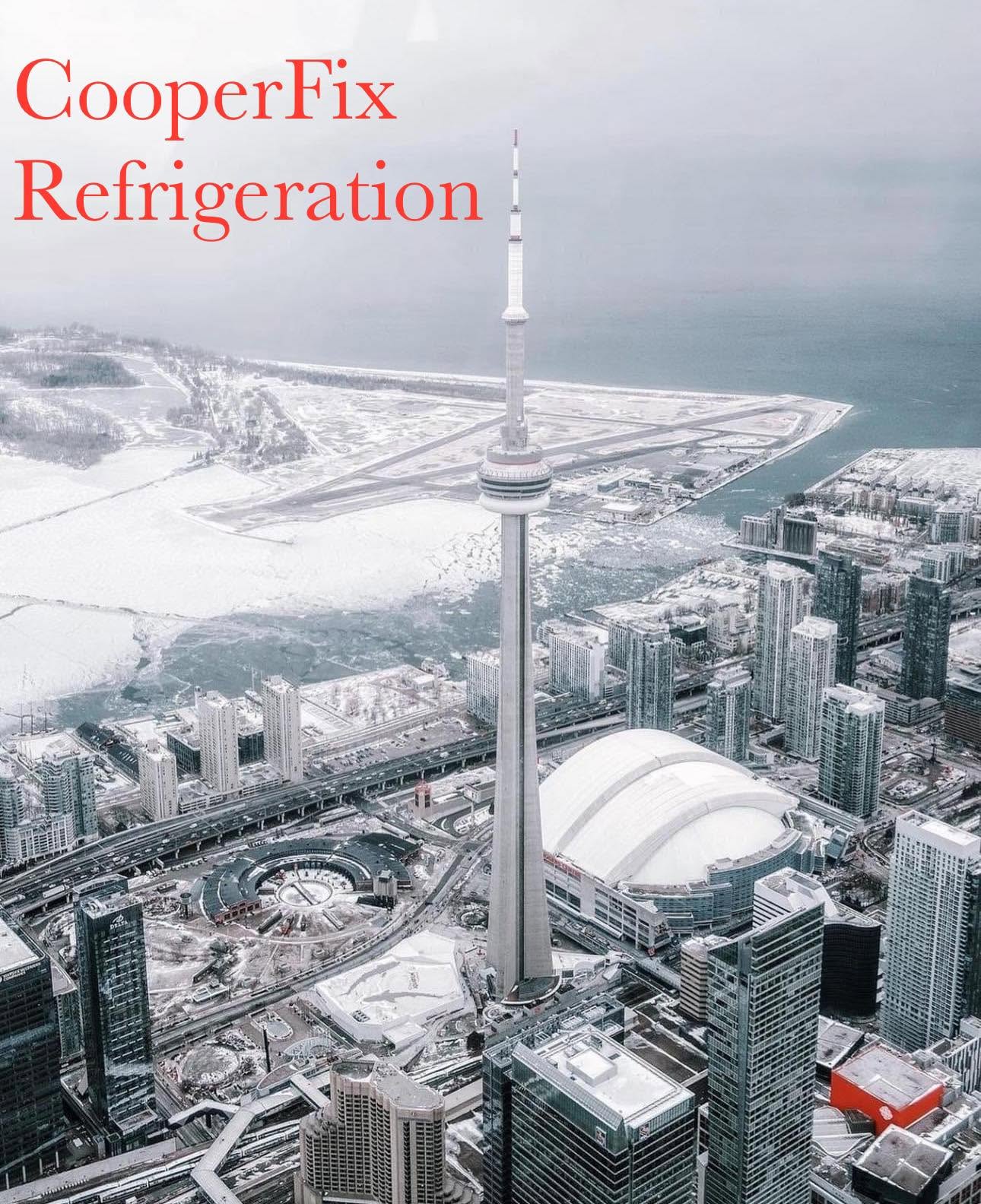
Commercial refrigeration service
Assessment tied to the installed equipment
Request commercial refrigeration service in Toronto
Describe the affected equipment, its business location and the operating change your team observed. CooperFix performs the technical diagnosis; the request only needs the practical details that identify the unit and its impact.
- Toronto address, unit number and equipment location
- On-site contact and access requirements
- Equipment type, displayed condition and repeatable symptom
- Model or serial identification when safely visible
Plan your Toronto refrigeration service visit.
A street-level restaurant, a food business inside a multi-tenant building and a rooftop refrigeration installation need different access arrangements. Include the unit or suite number, an on-site contact and any loading, service-elevator or rooftop access requirements when you request a visit.
Describe the cooling problem
Report the current temperature, controller message and when the problem started. Say whether one cabinet, the prep rail or the entire cold room is affected. Include a model number if it is accessible.
Confirm the site and service arrangements
We confirm the Toronto service address, affected equipment and available access with your contact. Mention opening hours and delivery periods so access can be discussed before the visit.
Review the findings and proposed repair
The technician assesses the fault and explains the recommended work. Repair scope, replacement parts and the next steps depend on the installed equipment and the findings.
Choose the Toronto page that matches the primary unit.
This main page is useful when several refrigeration categories are involved or the equipment type is not yet clear. For a known unit, continue to the focused service page.
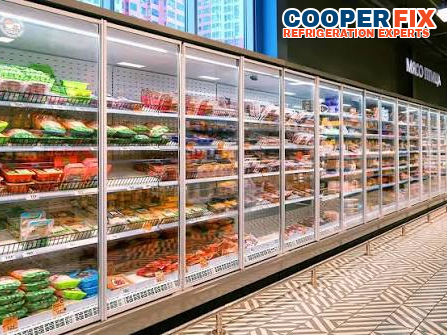
Commercial Fridge Repair Toronto
Use the fridge route for reach-in, undercounter, preparation and chilled-display equipment.
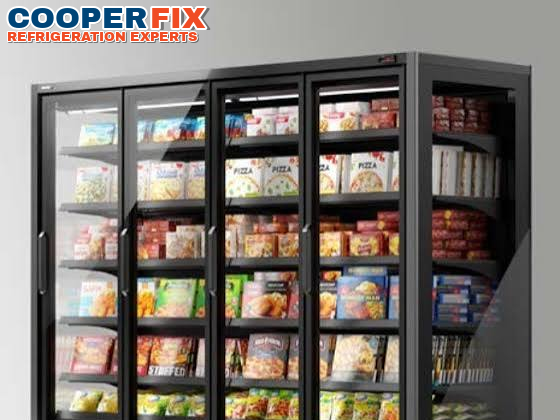
Commercial Freezer Repair Toronto
Use the freezer route for stand-alone frozen-storage cabinets and commercial display freezers.
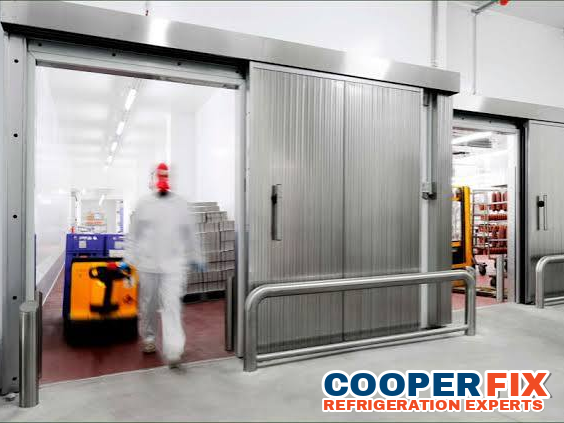
Commercial Walk-In Freezer Repair Toronto
Use the walk-in route for the connected equipment and controls serving a frozen room.
Commercial refrigeration equipment we service.
Select the closest equipment type to add it to your request. Describe the installed unit and its model; a warm cabinet alone does not identify the faulty component.
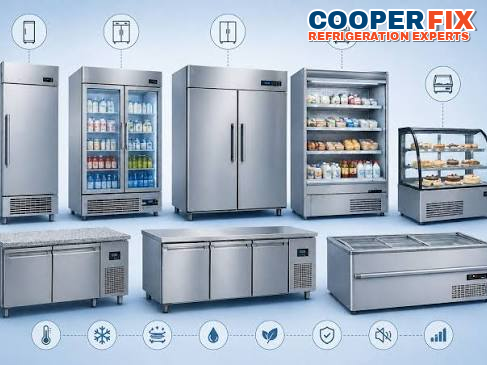
Reach-in refrigeration
Reach-in cabinets: report the displayed condition, recovery pattern, door use and whether one compartment or the complete cabinet is affected.
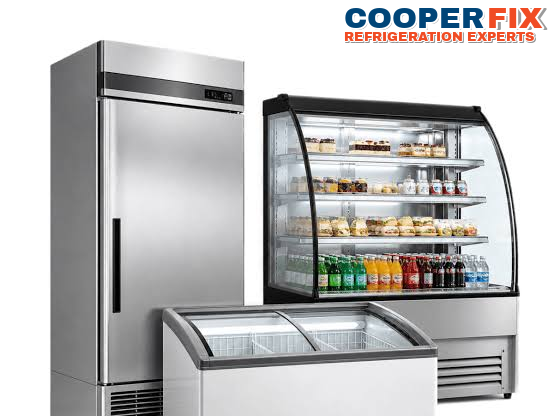
Commercial freezers
Frozen-storage cabinets and island freezers: describe the alarm, product-loading pattern and when the change first became repeatable.
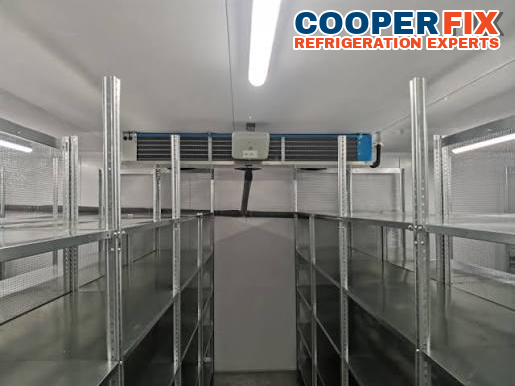
Walk-in refrigeration
Walk-in coolers and freezers: report room condition, recurring frost, water below the evaporator or a change in fan operation.
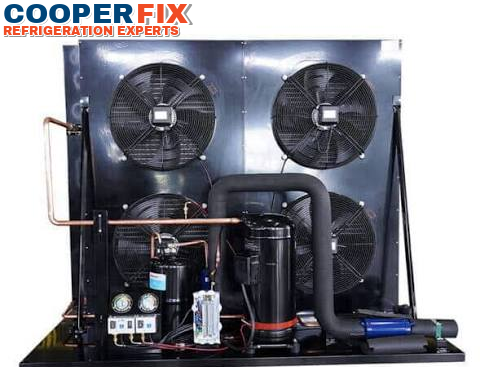
Condensing units
Condensing equipment serving commercial refrigeration: describe noise, repeated stopping or loss of cooling, and tell us where the unit is installed.
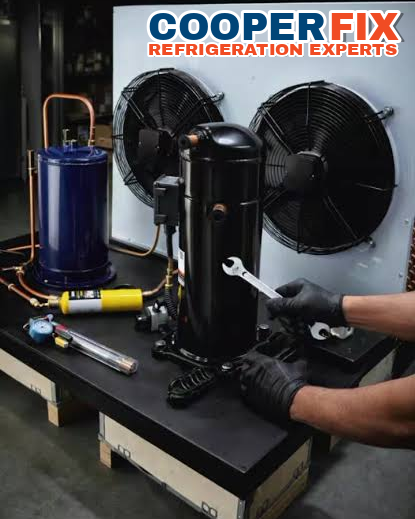
Commercial refrigeration service for your business.
A service call connects what your team sees inside the business with what is happening at the refrigeration equipment. A warm walk-in room may be served by a condensing unit on the roof or in a separate service area. A prep table has its own compact refrigeration system. The assessment follows the equipment serving the affected space.
This photograph from CooperFix’s work collection shows service at an open condensing unit. The compressor, condenser, electrical controls and refrigerant piping work together. A temperature complaint needs to be assessed in that system context before a repair is recommended.
Diagnosis before choosing a replacement.
A unit that has stopped does not automatically need a new compressor. Starting components, controls, fan operation and the refrigeration circuit may all be relevant. CooperFix checks the installed equipment and the reported operating fault, then explains the findings and the work recommended for that unit.
Arrange access to the full system.
For a Toronto restaurant, shop or food service facility, access may involve both the food storage area and a separate equipment location. Let us know who can provide entry and whether a building manager needs to arrange roof or service-room access. Your staff can report the symptoms without opening equipment or carrying out technical measurements.
Support for refrigeration that your operation depends on.
Discuss the affected equipment, its condition and the service your business needs.
Repair of the diagnosed fault.
Refrigeration service may involve a compressor, evaporator fan motor, temperature sensor, controller, contactor or an applicable defrost component. The required work depends on the fault and the equipment design. A repeated alarm, loss of airflow or rising temperature helps describe the problem, but does not by itself determine which part should be replaced.
Maintenance while equipment is running.
You can contact CooperFix about preventive maintenance before a cabinet or cold room stops cooling. Discuss how the equipment is used, previous service and changes in temperature recovery, cycling or noise. The service scope is arranged for the installed refrigeration system and your operating needs.
Equipment and component replacement.
If replacement is recommended, the existing model, application and refrigeration requirements need to be considered together. Cooler and freezer applications have different operating requirements. CooperFix can discuss installation or replacement of suitable refrigeration equipment and applicable components after assessing the requirements.
One request for several affected units.
A business may have a walk-in freezer, a food preparation table and several display cabinets. Identify each affected unit and explain which one is disrupting service most. Include any previous work you know about. This gives the team a clearer picture when arranging the assessment and access to your Toronto premises.
Refrigeration repair for restaurants, retailers and cold storage.
The equipment, operating conditions and impact on your business guide the service assessment.
Restaurant and café refrigeration
A restaurant may rely on a walk-in for bulk storage, reach-in cabinets for daily stock and a refrigerated prep table during service. Identify each affected unit and explain whether the cooling problem is constant or appears during busy periods. This helps define whether the call concerns one unit or several refrigeration systems.
For a preparation table, describe the ingredient rail and lower cabinet separately. For a reach-in refrigerator, note slow recovery, controller alarms or unusual fan sounds. CooperFix assesses the fault before recommending the refrigeration work needed.
Food retail and display refrigeration
A display cooler can develop uneven temperatures across shelves or compartments. A beverage cabinet may run continuously or take longer to recover after stocking. Report where the change is most noticeable and whether it follows deliveries, door openings or a particular time of day.
Include the cabinet model and any controller alarm. If several displays are affected, identify them individually and explain whether they share a refrigeration system, if known. That information helps define the scope of the visit.
Walk-in cooler and freezer systems
Cold-room refrigeration includes the evaporator inside the room, the condensing equipment and the controls connecting their operation. Recurring frost, changing fan noise, water below the coil or slow temperature recovery are useful symptoms to report. They do not identify the repair on their own.
Tell us whether the room holds chilled or frozen stock. Include its current temperature and any alarm, then identify where the outdoor or rooftop equipment is located so access can be arranged.
Repair recommendation and recurring problems
If the same fault has returned, include the previous service date and the work already completed. The equipment history helps put the current symptoms in context. A replacement part should address the diagnosed fault, with its suitability checked against the installed equipment.
After assessment, the findings guide the recommended repair and next steps. Discuss equipment condition, required parts and service arrangements with the team. A model label or photograph helps identify the unit; it does not establish which component needs repair.
Separate every Toronto refrigeration unit before the visit.
Commercial sites may operate several refrigerators and freezers near one another. Accurate equipment identification keeps findings and proposed work attached to the correct unit. Each affected item receives its own condition-based assessment so one repair recommendation is not applied to equipment with a different design or fault.
Describe what changed in ordinary operating terms.
A displayed alarm, slow recovery, repeated cycling, an unfamiliar sound, water where it was not present before or a change in fan operation can all help frame the assessment. None of those observations proves a specific failed part by itself. Note when the change began, whether it repeats after deliveries or busy service periods, and which area of the unit appears affected. CooperFix connects those observations to measurements taken from the installed system.
Make the Toronto service request ready for an on-site assessment.
Provide the full business address, unit number, on-site contact, equipment location and the first repeatable operating change. Mention delivery periods, meal-service periods, customer-area restrictions and any property authorization that affects access. Keep normal business safety procedures in place and avoid bypassing controls.
Prepare the complete route to the refrigeration system.
Commercial refrigeration equipment may extend beyond the cabinet or cold room that staff see. A Toronto visit can require loading access, a service elevator, a mechanical room, an exterior enclosure or authorised roof access. Tell CooperFix who controls each part of the route and when it is available. In a multi-tenant property, identify the suite and the property contact separately so the service conversation does not stop at a restricted area or an unconfirmed access rule.
Keep the next decision tied to the inspected Toronto unit.
Commercial refrigeration parts must match the equipment and the fault found. A photograph or model label can help identify the unit, but it does not replace inspection or establish that a listed component is required. When follow-up work is proposed, the business should receive a clear description of the affected unit, the compatible part or additional task, the access needed and the work that remains. This keeps authorization and later verification connected to the same equipment record.
Connect proposed work to the condition confirmed on site.
A professional repair process continues beyond identifying a failed function. The findings must be connected to an authorized scope, any required part or equipment dependency, the work completed and the information communicated to the Toronto business contact after service.
Toronto refrigeration service information.
A refrigeration service request should explain what is happening at your business. A restaurant with a warm prep rail needs different information recorded from a retailer with several display cases losing temperature. Tell us which equipment is affected, when the change began and how it is disrupting storage or service.
For your Toronto location, include the full address, unit number and the person who can provide access. A readable equipment label, controller message and temperature history help prepare for the assessment. You do not need to identify the failed part before contacting CooperFix.
Have an urgent cooling problem?
Call to discuss the affected equipment and current visit availability. Let us know whether one cabinet or several units have lost cooling. The assessment and recommended repair depend on the installed system and the fault found.
Do you repair both walk-in coolers and walk-in freezers?
CooperFix handles commercial refrigeration service requests for both. Tell us whether the room is used for chilled or frozen storage, its current temperature and any visible frost or controller alarm. The refrigeration equipment and controls must be assessed for that application.
My prep table is warm on top but cold underneath. What should I report?
Describe the ingredient rail and lower cabinet separately. Include when the change occurs, the displayed temperature and whether the lid or doors close normally. These details help the technician assess the prep table in its actual operating conditions.
Can you assess a reach-in refrigerator or commercial freezer?
Yes. Include the cabinet brand, model and whether one or all compartments are affected. Report any unusual fan sound, repeated stopping or slow temperature recovery after deliveries. The cabinet and its refrigeration system are considered together.
How soon can a technician visit my Toronto business?
Call (647) 483-3777 to discuss current availability. Explain the loss of cooling and the equipment affected, then provide the address and on-site contact. The visit time is confirmed with you; submitting this form does not reserve an appointment.
Does a photograph help identify the refrigeration equipment?
A clear photograph and model number help identify the equipment, but they do not establish the cause of a cooling fault. The repair recommendation depends on assessment, the work required and any parts needed. Ask about assessment arrangements when booking.
What access information is useful for a Toronto service visit?
Provide the street address and unit or suite number. For equipment inside a larger building, include concierge or security instructions, service-elevator arrangements and loading access where applicable. For rooftop units, identify who can arrange authorised roof access.
Which Toronto businesses can request refrigeration service?
This page is for commercial refrigeration used by businesses, including restaurants, cafés, food service businesses and food retailers. Tell us the equipment type if you are unsure whether your unit fits the service scope.
Tell us which Toronto unit needs repair.
Include the service address, equipment location, observed change and the person who can provide access.
Emergency calls are received and assessed 24/7. Availability and response depend on location, workload and the repair required.