
Commercial Refrigeration Repair in Thornhill
A Thornhill business may notice a refrigeration interruption at the point of customer service, in working inventory or in frozen stock held beyond the current operating period. CooperFix repairs commercial fridges, standalone commercial freezers and the refrigeration systems serving walk-in freezers. Those are three different technical scopes. A technician examines the installed unit, establishes the equipment fault and explains the proposed repair.
Municipal planning material identifies Yonge Street as a defining corridor in Thornhill’s development. A corridor address, however, says little about the refrigeration design inside a particular business. CooperFix uses the actual fridge, freezer or walk-in system as the basis for service. Its commercial refrigeration work draws on 20+ Years of Experience. The 90-Day Parts & Labour Warranty applies to covered work under its terms.

Report the affected commercial refrigeration system clearly
Give CooperFix the Thornhill service address, affected equipment, observed change and contact who can provide access.
- Equipment label, make and model when safely visible
- Directions to the evaporator, condensing equipment, controls and electrical disconnect and the authorized access contact
- Displayed temperature, controller message, frost, water, sound and run-time change, with the time observed
Request commercial refrigeration service in Thornhill
Product handling decisions stay with the responsible site person. Include a phone number and email address for service coordination.
Choose a Service Scope Before Choosing a Repair
1. Identify the affected refrigeration function
The service request can begin with the Thornhill address, an access contact, the person who can authorize work and a plain description of the business interruption. A business can say whether a display fridge, individual freezer or walk-in freezer system appears affected. If the precise equipment category is uncertain, CooperFix can clarify it during the service conversation. Staff do not have to inspect components, collect readings or interpret alarms.
2. Let the technician establish the equipment finding
CooperFix examines the installed unit or system. A commercial fridge may require assessment of controls, air distribution and refrigeration performance. A standalone freezer has its own low-temperature and defrost functions. A walk-in freezer involves a connected refrigeration system whose components can occupy more than one position. The technician evaluates the functions implicated by the reported behaviour and distinguishes a symptom from a demonstrated cause.
3. Authorize defined work on the named unit
The technician explains the fault found, the proposed repair and the equipment it addresses. The authorized contact can approve that work with a clear boundary. After the repair, CooperFix can describe what was performed and the operating observations relevant to that unit or system. A site with several refrigeration equipment may have more than one unresolved issue; one completed scope should not be described as a universal site result.
Find the Thornhill service page for your equipment
At a Thornhill address, an informal equipment name can obscure whether staff mean a fridge cabinet, standalone freezer or walk-in system. Identify the installation first so the request reaches the correct repair scope and access contact.
 Glass-door refrigeration for commercial meat display.chilled commercial equipmentCommercial fridge repair in Thornhillreach-in refrigerator, preparation table, undercounter fridge, beverage cooler or display case.
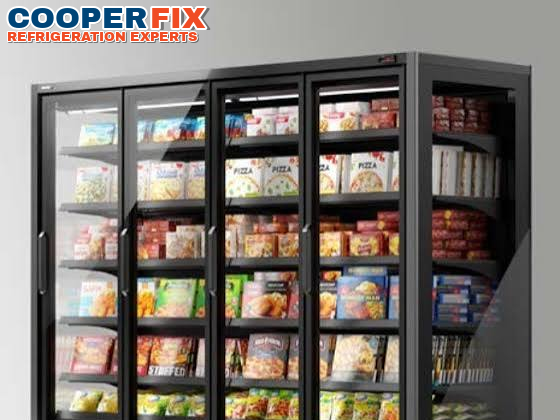 Glass-door freezer display for commercial frozen storage.frozen-storage equipmentCommercial freezer repair in Thornhillreach-in freezer, undercounter freezer, frozen display case or low-temperature storage cabinet.
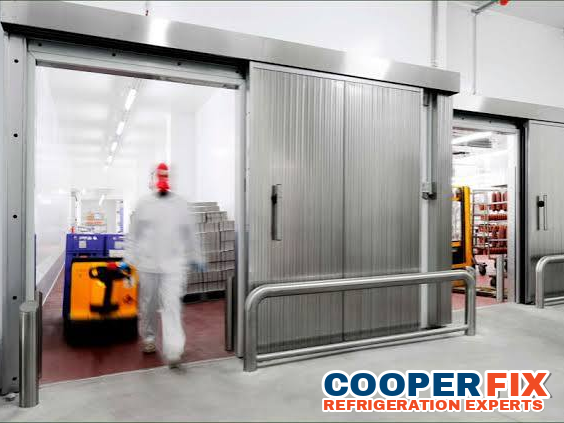 Walk-in cold-storage rooms within a commercial refrigeration installation.walk-in freezer equipmentWalk-in freezer repair in Thornhillevaporator, condensing unit, controls, defrost components, drain and refrigeration lines serving the freezer room.
Refrigeration Equipment Behind Different Thornhill Requests
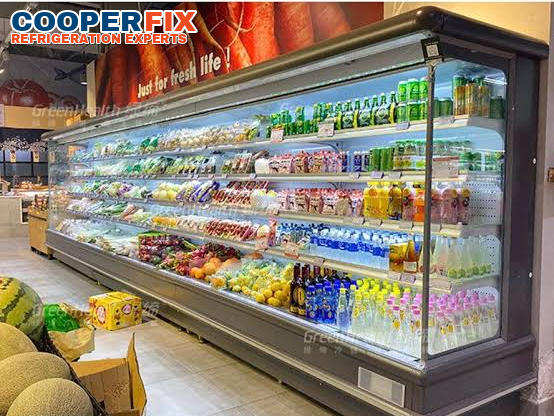
Commercial fridges at the point of service
A commercial fridge can support a customer-facing offer. If it performs inconsistently, the business may need to decide what remains available while the equipment is assessed. CooperFix examines the cabinet’s relevant control, air-delivery and refrigeration functions. A visible display value or operating sound is not enough to identify the fault. The Thornhill commercial fridge page provides the focused service description for this equipment category.
Commercial fridges holding working stock
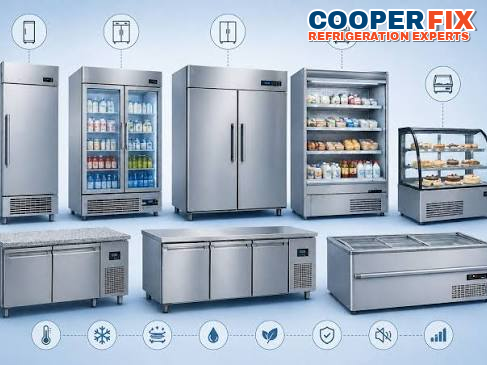
Another fridge may hold stock away from the customer’s view for use later in the operating day. Its problem can first affect replenishment plans rather than the public display. CooperFix assesses the particular cabinet and determines what its controls, air movement and refrigeration behaviour show. The business can explain the working-stock consequence without deciding which component caused it.
Standalone commercial freezers
A standalone freezer is an individual low-temperature unit. Depending on its model and the evidence, CooperFix may evaluate control response, start-and-run behaviour, evaporator function, defrost operation and refrigeration performance. A unit that appears active may still require professional assessment of its frozen-storage function. For a business holding separate frozen reserve, an individual freezer fault may affect future stock availability even when a fridge remains in use.
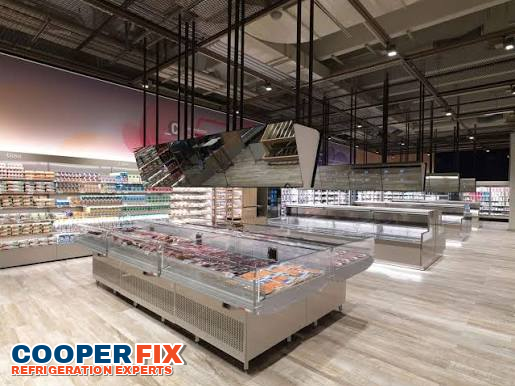
Walk-in freezer refrigeration systems
A walk-in freezer depends on an installed refrigeration system with components and controls that may be distributed around the premises. CooperFix repairs that system and can perform refrigeration-system installation and commissioning within the stated scope. The technician identifies the serving equipment and evaluates relevant evaporator-side, condensing-side, control and defrost functions. A change noticed inside the room does not prove the failed component.
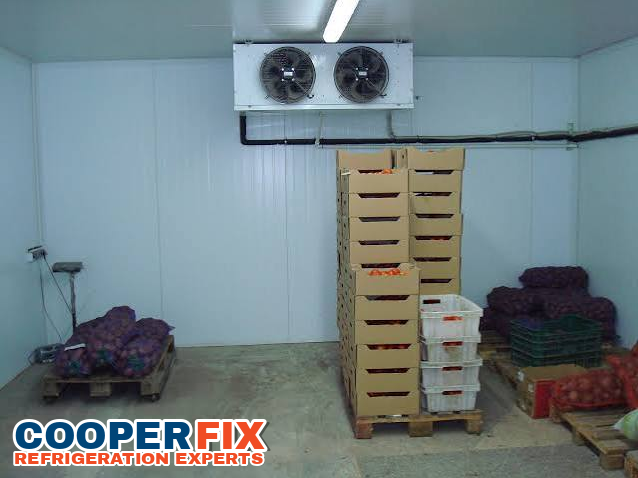
CooperFix at Work: The Unit, the Finding and the Scope
CooperFix’s service account should connect three things: which commercial refrigeration unit was examined, what fault the technician established and what work was proposed or performed. The path differs for a self-contained fridge, an individual freezer and a connected walk-in system. A business may experience one broad interruption while several units need separate assessment. CooperFix does not convert the operator’s stock concern into an assumed part replacement.
The Thornhill service record should name the unit examined and distinguish completed work from an open item. If several systems share the site, the technician connects each control or temperature observation to its own installation before drawing a conclusion.
Preserve a separate history for each refrigeration system at the address. Do not move fixed equipment to obtain more detail.
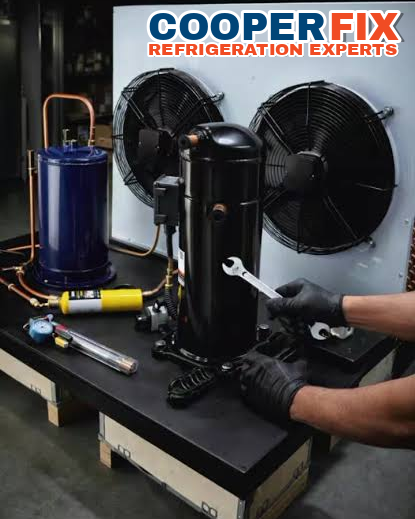
Make the complete system accessible
Name the contact who can provide entry to equipment, electrical disconnects and remote components. Point out known controls, disconnects and remote components without opening protected equipment.
What the Technician Must Distinguish Before Recommending Work
Equipment type, application, operating history and current findings all affect the next step for a commercial refrigeration system.
A stock-flow report that does not identify one machine
An interruption in stock flow can involve a fridge that presents goods, a standalone freezer that holds a reserve or the system serving a walk-in freezer. CooperFix first establishes which installed unit corresponds to the report. The technician then evaluates the functions belonging to that unit or system instead of interpreting a business-wide description as a part failure. A Thornhill operator can describe where the interruption appears in its operation.
A control message interpreted within its equipment category
A message on a commercial fridge cannot be interpreted as though it came from a standalone freezer or a connected walk-in system. Each has different control relationships and operating duties. CooperFix reads the indication in the context of the installed equipment and examines the relevant refrigeration functions before drawing a conclusion. A manager can report the visible message and its stock consequence without assigning a component.
A generic alarm label that may belong to different equipment
An operator may report that a generic refrigeration alarm appeared without knowing which unit produced it. CooperFix identifies the installed fridge, individual freezer or walk-in system associated with the indication before interpreting its technical meaning. An alarm label passed between staff members is not a component diagnosis, and the same words can describe different equipment concerns. The technician examines the relevant unit or connected system and explains the supported finding.
Previous work must be attached to the correct unit
A business may mention that refrigeration equipment was repaired before, but that history is useful only when connected to the unit or system now under discussion. CooperFix identifies the present unit, reviews available service information and assesses its current condition. A similar symptom on another cabinet cannot inherit the earlier diagnosis. The proposed scope explains what fault is demonstrated now and what work applies to this equipment.
Thornhill Service Conversations That Need Clear Unit Identity
A Yonge Street address that needs exact site identification
Municipal planning material describes Thornhill as a community running along both sides of Yonge Street and across a municipal boundary. A precise Thornhill service address and site contact are therefore more useful than the community name alone when arranging access. The business can identify which commercial refrigeration equipment is affected and who can authorize work.
Staff reports that may describe different equipment
One employee may report a change at a customer-facing fridge while another mentions frozen stock elsewhere at the Thornhill premises. Those accounts need not describe one fault. CooperFix identifies the equipment behind each report, assesses the relevant unit or system and explains findings separately.
An informal equipment name that obscures the installation
In ordinary conversation, staff may call several kinds of low-temperature storage a “freezer.” CooperFix clarifies whether the affected equipment is an individual commercial freezer or the connected refrigeration system serving a walk-in freezer. The operator need only describe the installation and business interruption in familiar terms.
An absent manager needs a unit-specific service account
The person responsible for Thornhill inventory may not be the person who provides equipment access. CooperFix can explain the finding and proposed repair to the authorized contact, then identify the work actually completed on the named unit. That account remains intelligible to another manager who later makes stock decisions.
Confirm the exact Yonge Street service address
An imprecise Thornhill address can send attention to the wrong unit before assessment begins. Provide the business name, entrance and affected equipment. Those details help CooperFix reach the right fridge, freezer or walk-in system; they do not establish the technical cause.
Reconcile staff reports by naming each unit
Two employees may describe different refrigeration problems at one premises. An authorized contact can identify the cabinets or room involved and coordinate one service conversation. CooperFix then evaluates each affected unit separately, so one report does not become a blanket diagnosis for the site.
Translate an informal name into the installed system
A staff nickname for a freezer may refer to a standalone cabinet or a walk-in room. Show the technician the actual equipment and its access points. The professional assessment confirms the boundary and avoids applying a cabinet-level repair assumption to a system serving a room.
Leave an absent manager a unit-specific account
When the approving manager cannot attend, the handoff should name the unit examined, work authorized and any issue still open. A separate fridge or freezer remains a separate matter. Clear equipment identity prevents a site-wide status from being inferred from one completed repair.
Thornhill Commercial Refrigeration Repair FAQ
These answers explain what to report and how access is planned. The installed system still requires an on-site assessment.
Which equipment is covered by CooperFix’s Thornhill service?
CooperFix addresses commercial fridges, standalone commercial freezers and refrigeration systems serving walk-in freezers. these units have different operating functions and repair boundaries. A Thornhill business can identify the equipment category if known and describe the interruption in ordinary language. CooperFix’s technician establishes the technical finding from the installed equipment. The more focused pages for each category provide detailed service descriptions once the affected unit is clear.
What should a business provide to start a service request?
The Thornhill address, the equipment category if known, a description of the business interruption, an access contact and the person authorized to approve repair are useful. Staff do not need to remove covers, collect technical readings or interpret alarms. CooperFix can clarify the equipment involved and perform professional assessment. The operator’s stock and customer decisions remain with the business, while the technician determines the serviceable fault and proposed work.
Can one call cover a fridge and a freezer?
Yes. One contact can describe both equipment and coordinate access. CooperFix evaluates the fridge and individual freezer according to their own designs, then explains a separate finding and scope for each affected unit. Similar symptoms do not prove a shared technical cause. The business can authorize the work that applies to each unit and understand which repair was completed.
How is a walk-in freezer different from a standalone freezer?
A standalone freezer is an individual low-temperature cabinet or unit. A walk-in freezer relies on a connected refrigeration system with components that may be separated around the site. CooperFix assesses the relevant configuration before defining work. The difference affects the technical examination, access arrangements and repair scope. A business can describe the frozen-stock consequence without identifying a failed component; the technician determines the cause on the installed equipment.
Does an alarm tell CooperFix what part to replace?
No. An alarm or display indication is one piece of information, not a complete diagnosis. Its meaning depends on the equipment category, model and actual operating behaviour. CooperFix examines the relevant controls, refrigeration functions and other serviceable components before recommending repair. The business can report what staff observed and how operations are affected.
How are urgent requests in Thornhill assessed?
CooperFix receives and assesses emergency requests using the location, affected equipment, workload and repair involved. The operator can describe the stock or customer consequence and provide an authorized contact. The technician must still examine the unit or system before defining work. The business makes its immediate stock decisions separately from that assessment.
What does the authorized contact learn after a repair?
CooperFix can explain the equipment finding, the authorized work performed and the relevant operating observations for the unit examined. If another fridge, freezer or walk-in system remains unresolved, that is a separate matter. The account helps the business understand which stock function has received service. Covered parts and labour are subject to the terms of the 90-Day Parts & Labour Warranty.
Request Commercial Refrigeration Repair in Thornhill
Call CooperFix with the Thornhill service address, affected unit and contact who can provide access.
Emergency calls are received and assessed 24/7. Availability and response depend on location, workload and the repair required.
Send the Thornhill service details
Name the contact who can provide entry to equipment, electrical disconnects and remote components.