
Etobicoke Walk-In Freezer Refrigeration Repair
A walk-in freezer may serve many people in one business, yet a refrigeration fault is often first reported through a simple operational change: stock cannot move as planned, an alarm has interrupted the routine or the system is not maintaining its intended condition. CooperFix provides professional diagnosis and repair of walk-in freezer refrigeration systems for Etobicoke commercial sites. We assess the installed equipment, explain what the findings support and discuss the work before an authorized repair proceeds. Refrigeration-system installation and commissioning are also available when a project calls for them.
The work focuses on the equipment that makes the system operate: the condensing unit and compressor, heat-transfer components, refrigerant circuit, electrical supply, fans, control devices and defrost sequence. The freezer’s role in receiving, storage and production helps frame the service request, but it does not establish a component failure. Contact CooperFix with the Etobicoke location, the person coordinating access and the interruption that prompted service. Our technician handles the technical investigation; site staff can concentrate on business operations.

Plan the walk-in freezer refrigeration visit around the affected operation
Commercial equipment
The service scope is limited to refrigeration equipment used by a business.
Technician-led diagnosis
Staff report observations while the technician identifies the equipment fault.
Documented next step
The service discussion separates completed work from parts or follow-up still required.
Describe the Etobicoke equipment that needs attention
Provide the business address, equipment location, observed condition and on-site contact. CooperFix will use those details to discuss the next service step.
Send the service request
What Happens Between the Request and the Repair recommendation
Establish who uses the system and who approves work
The first discussion identifies the walk-in freezer, the business address and the contact able to arrange access. It may also establish whether an operator, facilities manager or property representative is responsible for approving service. A brief account of the operational interruption is useful. CooperFix does not require staff to identify a failed electrical part, gather measurements or interpret a controller before a technician can assess the system.
For installation or replacement, describe the intended use and current refrigeration arrangement. CooperFix defines the technical scope from the actual site before proposing equipment or work.
Investigate the installed refrigeration arrangement
The technician follows the functions that could explain the reported condition. Compressor operation, evaporator and fan behaviour, condenser performance, controls, defrost and electrical supply may need to be considered together. CooperFix uses on-site findings to distinguish the root fault from a consequence visible elsewhere in the installation. A system that runs continuously, stops unexpectedly or shows an alarm can require different work even when each situation affects storage.
The explanation to the business should separate what was reported from what was confirmed. If access, equipment condition or further testing limits the conclusion, CooperFix communicates that limitation. This gives the person authorizing work a sound basis for the next decision instead of a part recommendation chosen before the system is assessed.
Define and carry out the refrigeration work
Once the fault is established, CooperFix discusses a repair suited to the system. The proposal can address an electrical, control, refrigerant-circuit or equipment-component condition supported by testing. For installation work, the discussion covers system application, equipment compatibility, connections and commissioning. Commissioning checks the installed refrigeration system’s relevant operating functions before handover.
After authorized work, CooperFix explains what was completed and which functions were assessed. The business manages its own stock and operating procedures. A service record should not imply that one visit proved every future condition of a system; any further technical step is identified as such.
Components Behind Walk-In Freezer Performance
The installed design determines which components and service checks apply.
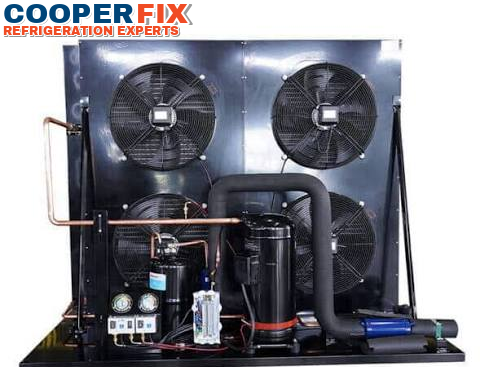
Compressor and Condensing Equipment
The compressor moves refrigerant through the system, while its electrical starting and protective functions influence operation. A failure to start or an unusual running pattern can have causes inside or outside the compressor itself. CooperFix assesses the installed equipment and its connected functions before recommending major-component work. The business receives an explanation of the evidence behind the proposal, not an assumption that the most visible component is the failed one.
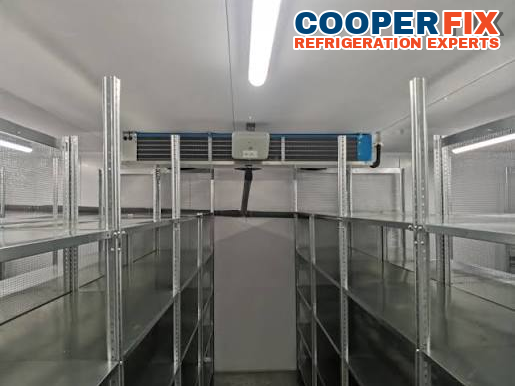
Evaporator and Fan Assemblies
The evaporator and its fans are part of how the refrigeration system removes heat from the freezer space. Their operation is connected to controls and defrost. A visible change at the evaporator can result from more than one problem, including a fan or sequence fault. CooperFix investigates the applicable functions and explains the repair supported by the findings. Site staff are not asked to interpret frost patterns as a technical diagnosis.
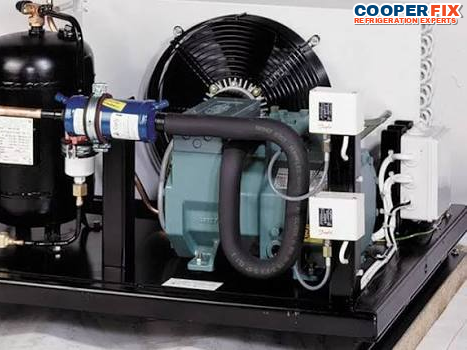
Condenser and Refrigerant Circuit
The condenser and circuit affect the system’s ability to operate under its intended load. A fault can influence running behaviour or place stress on another component. CooperFix considers the relationships among circuit, electrical and control functions in the installed arrangement. This helps distinguish a true circuit issue from a symptom created elsewhere. The resulting work is scoped to the fault confirmed for the Etobicoke site.
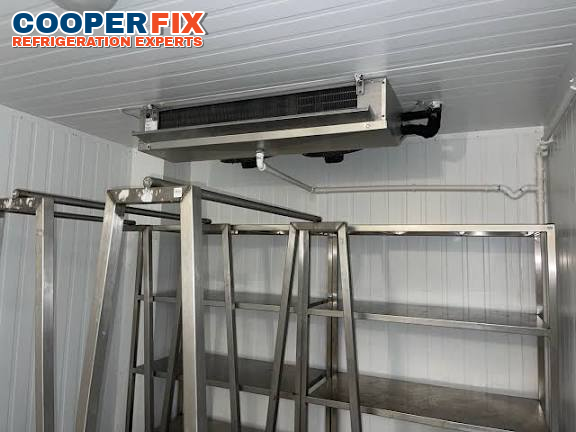
Controls, Sensors and Defrost Functions
Controllers and sensors direct operation using information from the installed equipment. Defrost functions help maintain an appropriate operating sequence over time. A displayed alert may point toward a problem without identifying its source. CooperFix checks relevant control, electrical and defrost functions and explains what the test results mean for repair. The service does not depend on a business employee decoding the alert first.
CooperFix at Work: A Technical Account the Business Can Use
Professional service connects the business interruption to a confirmed equipment condition. CooperFix assesses the walk-in freezer refrigeration system, discusses the findings with the authorized contact and performs the approved work. The technician can explain which functions were evaluated afterward and whether more attention is required. This account helps operations and facilities contacts coordinate decisions without asking either one to make a remote diagnosis.
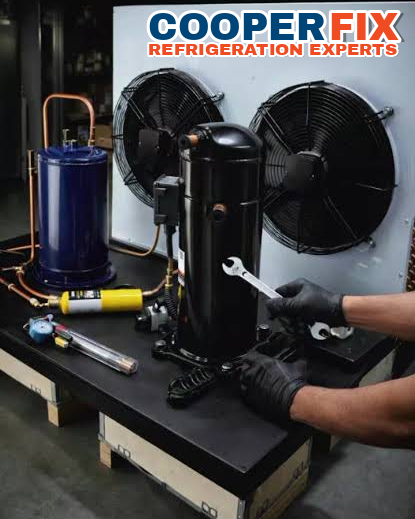
Equipment-specific findings
The technician connects the observed condition to the installed refrigeration system.
Walk-In Freezer Refrigeration Services in Etobicoke
The repair recommendation follows the confirmed equipment fault.
Fault Isolation and Repair Planning
One operational complaint can involve different refrigeration faults. A system that does not support the intended freezer use may have a control issue, electrical failure, defrost problem or a condition in the refrigerant circuit. CooperFix tests the functions relevant to the installed arrangement and identifies the fault supported by evidence. The repair proposal explains why that work fits this system. An alarm or a change in storage conditions is a reason to call, not an instruction to order a specific part.
Electrical and Control Repairs
Electrical supply, starting functions and controls influence when and how refrigeration equipment operates. CooperFix assesses the relevant components, determines whether a confirmed fault is present and performs an appropriate repair within its commercial refrigeration scope. The technician communicates the work in terms of system operation, so a manager can understand what is being authorized. This is especially useful when the person approving work was not present when the first interruption occurred.
Circuit, Fan and Defrost Repairs
Faults in these functions can affect one another and create similar visible symptoms. CooperFix investigates the interaction, then defines work for the condition actually found. A fan failure, defrost issue or circuit problem is not reliably established by an online symptom description alone. The technician explains the fault, the repair and any limitation on evaluating the system’s longer-cycle behaviour during the visit. The business can use that account while coordinating its own storage activity.
System Installation and Commissioning
A commercial site may require new refrigeration equipment for a walk-in freezer or replacement of an existing system. CooperFix can discuss the refrigeration-system installation, including equipment application, controls and connections, then commission the installed arrangement. Commissioning involves checking the functions relevant to operation and addressing issues found before handover. A project is scoped to the real site and its intended use; it is not the automatic answer to every repair complaint.
Where a Shared Freezer System Affects Etobicoke Operations
The equipment role and property access shape the service request.
A Food-Service Site Along the Queensway
The request should name the equipment and explain which daily activity it supports.
A Retail Operation Near Sherway
Staff can report the observed change without assigning a failed component.
A Multi-Unit Commercial Property
The site contact should provide access instructions for the equipment and any remote components.
A Planned Equipment Change
The service record should keep findings and authorization tied to the unit assessed.
A Food-Service Site Along the Queensway
The Queensway includes restaurants and cafés. A business there may use a walk-in freezer to hold ingredients across deliveries and service periods. If the refrigeration system becomes unreliable, the operator needs a technical explanation while it makes its own stock decisions. CooperFix assesses the installation and communicates the repair supported by findings. The service remains focused on the equipment and access details provided for the actual site.
A Retail Operation Near Sherway
The Sherway area includes commercial and retail uses. A retailer with walk-in frozen storage may depend on that system for back-stock and replenishment. A fault can complicate those activities even if a customer-facing cabinet remains available. CooperFix identifies the affected refrigeration system, assesses its components and explains the work proposed. The business retains decisions about its inventory and customer-facing operation.
A Multi-Unit Commercial Property
A property may have separate refrigerators, cabinet freezers and a walk-in freezer system. A problem in one installation should not be presumed to explain the behaviour of another. CooperFix scopes the request to the affected walk-in refrigeration equipment and assesses additional systems only if they are included in the agreed service. That distinction is useful when several contacts coordinate access and approval across the site.
A Planned Equipment Change
Some requests concern the next stage of a facility rather than an immediate fault. An Etobicoke business may be planning replacement refrigeration equipment for an existing walk-in freezer or a system for a new operating arrangement. CooperFix can discuss installation and commissioning based on intended use and site conditions. The business describes its project, and a professional assessment defines the technical requirements before a work scope is agreed.
When one walk-in system affects deliveries, reserve stock and transfers, CooperFix identifies the refrigeration equipment serving that room. The technician tests the relevant evaporator, condensing equipment, controls and circuit, then ties the repair proposal to the confirmed system boundary and fault.
Walk-in components may sit in separate service areas. CooperFix coordinates access with the responsible contact, records any dependency and performs the professional assessment. When replacement equipment is supported by the findings, installation and commissioning are defined as a separate scope.
Etobicoke Walk-In Freezer Refrigeration FAQ
These answers explain how to prepare equipment, symptom and access information without asking staff to diagnose the unit.
What does CooperFix repair on a walk-in freezer?
CooperFix assesses and repairs the refrigeration system serving the walk-in freezer. The work can involve compressor or condensing equipment, evaporator, condenser, refrigerant circuit, controls, fans, defrost or related electrical functions as supported by findings. The exact repair depends on the installed equipment and professional diagnosis. An observed symptom does not itself identify the failed part.
Can the system be assessed if it appears to run?
Yes. Apparent operation does not prove that every refrigeration or control function is working as intended. CooperFix evaluates the system and explains the condition supported by on-site findings. The business can describe how performance has affected operations; it does not need to measure pressures or interpret electrical behaviour before contacting us.
Do you work on controls and defrost issues?
Yes. CooperFix examines the control sequence and defrost equipment when the installed system and reported condition make them relevant. The technician tests the applicable components, explains the finding and recommends work supported by that result. A displayed alert or visible change helps describe the concern, but it is not a complete diagnosis for site staff to interpret.
Can CooperFix install and commission the refrigeration system?
Yes. CooperFix can discuss installation and commissioning of a walk-in freezer refrigeration system. The equipment and work depend on the site’s application and existing conditions. During commissioning, a technician checks the installed equipment’s relevant functions and identifies work needed before handover. A project-specific conversation is needed to define the scope.
What information should we provide for a service request?
Provide the Etobicoke address, the person coordinating access and approval, the affected walk-in freezer system and a short account of the interruption or project. CooperFix can ask for further ordinary site details while arranging service. Your team does not need to open equipment, gather technical readings or select a replacement component in advance.
How are emergency requests handled?
Contact CooperFix with the site and operational concern. Emergency requests are assessed under the availability statement above. The service team can discuss the next step after considering the request and equipment involved. A general symptom description starts the conversation; a technician determines the fault through professional assessment.
How are findings communicated after the visit?
CooperFix explains the confirmed equipment condition, proposed work and what was assessed after an authorized repair. The explanation distinguishes work completed from any further technical attention still required. This helps a manager or property contact make the next operating decision using its own procedures. Warranty applicability can be discussed against the repair actually performed.
Who should coordinate access to walk-in freezer equipment located away from the room?
Name the on-site contact for the walk-in room and the person who can authorize entry to any roof, restricted service room or shared mechanical area. CooperFix uses those details to reach the components that serve the reported system without asking staff to open equipment panels.
Arrange walk-in freezer refrigeration service in Etobicoke
Describe the affected equipment, current condition, business address and access contact. If the issue is urgent, call (647) 483-3777 with these details.
Emergency calls are received and assessed 24/7. Availability and response depend on location, workload and the repair required.