
Commercial refrigeration repair in Alliston
When commercial refrigeration stops holding temperature at an Alliston business, identify the cabinet, case, preparation table, cooler, freezer or cold room affected and explain the immediate impact on storage, preparation or service. CooperFix arranges an on-site assessment of the installed system serving that equipment.
An Alliston refrigeration request should describe the property, equipment and current site use precisely. Identify the cabinet or room, its observed condition and the activity affected when staff noticed the change.
Tell us about the refrigeration system that needs attention
Provide the Alliston service address, the on-site contact and the property’s name or number for each affected unit. Give every cabinet, case or room its own temperature, alarm or visible symptom, then identify the condition creating the greatest immediate risk to chilled or frozen product or to the business operation.
- Current reading, alarm code, frost or water location, fan noise and run-time change
- Manufacturer and model details from a label staff can read safely
- How to reach the unit and any separately located refrigeration equipment
Request commercial refrigeration service in Alliston
Provide a phone number and email address where CooperFix can confirm the equipment, site and access details.
What happens after you contact CooperFix
Give CooperFix the Alliston equipment identifier, the location of the symptom and a short timeline of what staff noticed. On site, the technician considers the affected cabinet, case or room as part of the connected refrigeration system rather than assuming the visible condition reveals the cause.
Describe what changed
Report temperatures, alarms, water, frost, sound and any controller or breaker reset that staff observed from a normal operating position. Leave electrical and refrigeration covers closed, and stop resetting a breaker or safety device if it trips again.
Confirm the address and access
Provide the service address, meeting contact and any roof or restricted-area instructions before the visit. If a landlord, property representative or another tenant controls access, identify that person and confirm how entry will be arranged.
Review the diagnosis and next step
After testing, the service record should identify the diagnosis, any completed work, parts or follow-up still required and the recommended next step. A repair recommendation is based on those findings rather than on the visible symptom alone.
Commercial refrigeration equipment serviced in Alliston
Commercial fridge service covers chilled cabinets, standalone freezer service covers frozen-storage equipment, and walk-in freezer service covers the refrigeration system serving the room. Select the affected equipment type below.
reach-in refrigerator, preparation table, undercounter fridge, beverage cooler or display case.
View service
frozen-storage equipmentCommercial freezer repair in Allistonreach-in freezer, undercounter freezer, frozen display case or low-temperature storage cabinet.
View service
walk-in freezer equipmentWalk-in freezer repair in Allistonrefrigeration system serving a freezer room, including the evaporator, condensing unit, controls, defrost functions and drainage connected to the refrigeration equipment.
View service
Commercial refrigeration equipment we service in Alliston
Identify the exact cabinet, display case or refrigerated room by the label and location used at the property. Add the model information, operating change and any known connection to remote controls or condensing equipment so the technician can confirm how the installed system is arranged.
Walk-in coolers and freezers
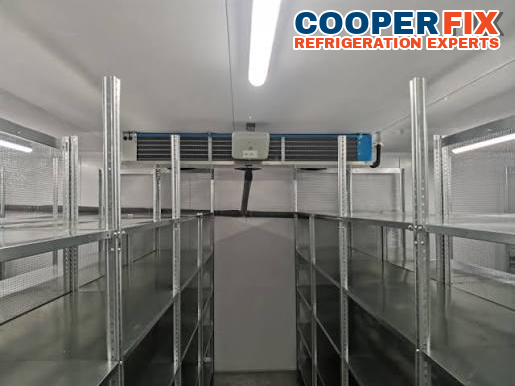
For a walk-in cooler or freezer, report current and target room temperatures, alarms, frost, water and recent door, defrost or drainage changes. State whether the whole space or one area is warming. The technician needs safe access to the evaporator and the condensing equipment serving the room.
Upright refrigerated storage and display cabinets
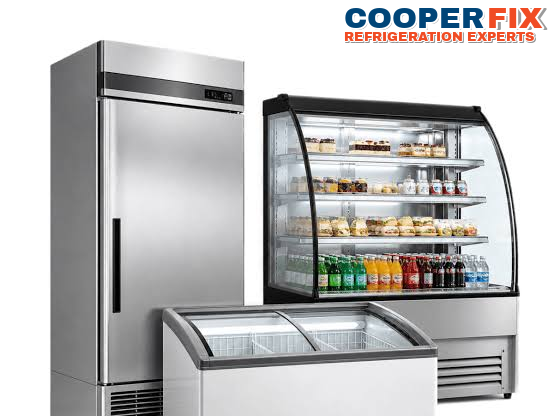
For an upright storage or display cabinet, describe what it normally holds, its present loading, recent door use, temperature recovery and any blocked air path. The technician considers those conditions together with the cabinet and its connected refrigeration components.
Commercial refrigerated display cases
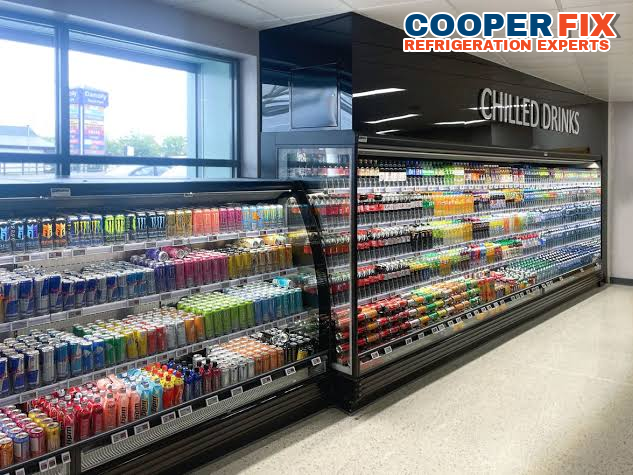
For a refrigerated display case, report which display section is affected, the current loading, any visible water, unusual noise and whether neighbouring sections show the same condition. Keep panels closed and provide model information only when the label can be read safely.
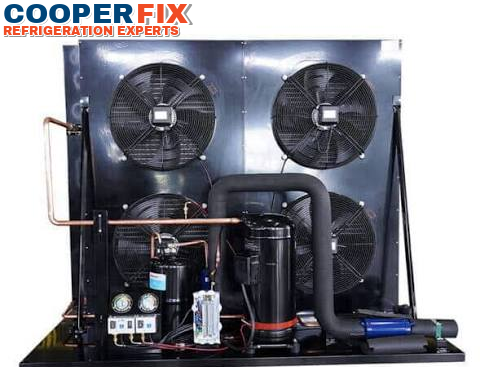
Self-contained and remote condensing equipment
Describe where the condensing equipment is located, any unusual operating noise and any shutdown or safety-control history. Service access must include both the affected cabinet or room and the equipment that supplies its refrigeration.
How the technician follows the refrigeration system beyond the first symptom
Starting at the reported symptom, the technician follows the connected airflow, controls, drainage and refrigeration circuit. This helps locate the fault rather than assume it began where staff first noticed it.
Temperature history and controller messages show when the condition began and whether it changes during a particular operating stage. The technician follows the affected unit through the controls, condenser and refrigeration circuit, using comparable readings to distinguish steady warming from slow recovery or a temporary cycle-related change.
The written findings should separate the confirmed condition and completed work from required parts or follow-up. Staff should also know which reading or operating change needs attention.
Refrigerated preparation tables combine a cold rail on top with a cabinet below, often cooled by the same system. If the rail warms while the cabinet stays cold, or the reverse, the technician checks how air and refrigerant are divided between the two parts before deciding on a repair.
Arrange access to the complete system
Provide safe access to the equipment, disconnect and remote components. Staff can report visible readings and operating changes, while panels remain closed and technical measurements are left to the technician.
Common commercial refrigeration faults and how repair recommendations are made
Repair, monitoring or replacement is considered only after the installed equipment is assessed in its normal business use. A visible symptom alone is not enough to select the work.
Airflow and heat-rejection problems
Restricted condenser airflow, evaporator frost, fan operation and blocked return air can produce similar temperature complaints. The technician compares those conditions before recommending cleaning, airflow correction or replacement of a failed component.
Controls, sensors and defrost operation
Controller response is checked against sensor readings and the expected defrost sequence. Testing the control and related electrical parts under operating conditions shows whether an adjustment, sensor repair or another electrical correction is appropriate.
Refrigeration circuit and compressor operation
Long run times, incomplete pull-down and frost on only part of a coil can point toward a refrigeration-circuit problem. Pressure, temperature and operating data must support any recommendation involving the circuit or a major component.
Recurring problems and replacement planning
Replacement is considered only after the present equipment has been evaluated for recurring cycling, slow recovery, noise and suitability for its workload. The discussion also has to reflect the capacity the application requires, the available electrical supply and how the existing components are installed.
Some equipment works under different conditions through the year. A cabinet that performs well in winter may struggle in summer when the room and the condensing equipment are warmer, and the technician considers that seasonal pattern when a problem appears only at certain times of year.
Information Alliston businesses should provide before a refrigeration visit
Alliston is one of the three centres identified by the Town of New Tecumseth. A service request should still describe the actual property, affected refrigeration equipment and present business impact rather than assume a particular building or business type. Include the observations staff made and the contact who can coordinate equipment access.
Describe this Alliston property only
State the property type, building or unit and the real route to the refrigeration equipment. Use the operator’s description of the site rather than a generic category.
Separate readings from consequences
List temperature, alarm, frost, water or sound observations first, then explain the storage or service activity affected. This keeps site impact from becoming an assumed fault description.
Confirm the connected system
Provide known locations for the evaporator, condenser, controls and disconnect, and identify any relationship that still needs verification. Never assign remote equipment based only on proximity.
Capture the operator’s real timeline
Record when staff first noticed the change and what ordinary loading, preparation or door use was occurring. Keep every time and activity tied to this property.
Record observations without opening the equipment
Record the temperature shown on the regular display together with the time, recent loading and door activity. Photograph the model label only when it is already visible from a safe position; do not move the cabinet or remove a cover to obtain the image.
Record any controller, breaker or safety-control reset and what happened immediately afterward. Do not keep resetting a device that trips; the sequence of events helps the technician plan the relevant electrical and control checks.
Electronic temperature monitoring, where it is installed, can show exactly when a unit started to warm. Sharing the relevant period from those records gives the technician a clear timeline that complements the readings staff take by hand.
Use your food-safety procedures while service is being arranged
Follow the business’s food-safety procedures for temperature checks and product handling while service is being arranged. The person responsible for food safety decides whether product must be moved to suitable storage; keep doors closed when possible and give CooperFix the recorded readings and times.
If standing water, heavy frost or an electrical concern makes the area unsafe, keep staff and customers away. Describe what is visible and where it appears when calling so the visit can be planned without asking anyone on site to investigate the hazard.
Arrange access to every part of the affected refrigeration system
For the commercial refrigeration visit, provide the full Alliston address and unit or suite, equipment and remote-component locations, parking or loading instructions, and the contact authorized to open restricted, shared or rooftop areas. Identify the electrical disconnect and use the property’s own room or equipment labels to explain the route from the meeting point. If access to a shared service area requires another contact, include that coordination detail. Note any time window for deliveries or customer activity that affects when the service area can be reached safely. Keep the person familiar with the equipment available to confirm the unit and describe the observed timeline.
Clear only movable stock that staff can handle safely and leave installed refrigeration equipment in place. Keep the responsible contact available to identify the correct unit, explain the observations reported at booking and receive the technician’s findings.
Confirm what was found, what was repaired and what still needs attention
The service record should identify the confirmed fault, work completed, remaining recommendations, monitoring instructions and any temporary measure. Keep temporary measures clearly separated from completed repairs so staff understand what still requires attention. Record the measurement point and ordinary operating condition staff should use for later checks. Keep each remaining recommendation and follow-up date under the same equipment identifier used during the visit.
File the model and serial details, controller messages, readings and service notes under the Alliston equipment identifier. If the condition returns, include the original visit date, repair performed, interval of normal operation and later change. Use the same measurement location and comparable operating period for follow-up readings.
What to know before requesting commercial refrigeration service
An Alliston refrigeration request should name the affected cabinet, case or cold room, include current readings or alarms and identify the person who can provide access. On-site testing determines the fault and the repair that the evidence supports.
Can CooperFix inspect commercial refrigeration equipment for an Alliston business?
Yes. State which system is affected, its location, the displayed and target temperatures, any controller message and the effect on business operations. CooperFix must assess the installed equipment at the property before identifying the fault and confirming a repair.
What information should an Alliston business provide about a refrigeration temperature change?
Give the current reading, normal setpoint and alarm wording, followed by the time the condition began. Describe frost, water, sound, run-time changes, recent loading or door use and whether the whole cabinet or room is affected. Also say whether another unit changed at the same time. The responsible site representative should continue the existing food-safety procedure and note any product-handling action already taken.
Is frost on commercial refrigeration equipment enough to identify the failed part in Alliston?
No. Frost can result from several conditions, including restricted airflow, door activity, defrost operation, drainage, controls or the refrigeration circuit. Record where and when it appears and take a photograph only if safe. Leave the electrical and refrigeration panels closed until the technician arrives.
What must be arranged before a technician visits an Alliston commercial property?
Provide the full service address and unit, an on-site contact, access hours and the exact equipment location. Explain any roof or restricted-room entry, security requirement, parking or loading limitation and whether a landlord, property representative or another tenant must authorize access.
Can an Alliston booking list more than one affected refrigeration system?
Yes. Identify every unit and location, describe each symptom separately and rank the condition creating the greatest immediate business or product risk. CooperFix can review the full request during the visit while keeping the findings and recommendations for each system distinct.
Which model details and photographs help CooperFix prepare for refrigeration service in Alliston?
When safe, send a readable model label, the controller display and a wider view showing the complete cabinet, case or room. Add the wider view when a close-up does not identify the equipment. These images help with identification and access planning, but cannot confirm the failed component.
What should an Alliston business report when a refrigeration issue returns after service?
Give the earlier visit date, the refrigeration work completed and the period of normal operation afterward. Describe the current symptom, when it appeared and what has changed since the previous visit. The history guides new testing; it does not prove that the earlier fault has returned.
Request commercial refrigeration service in Alliston
For an urgent commercial refrigeration problem in Alliston, call (647) 483-3777. Have the service address, affected unit, current temperature, product risk and name of the person who can provide access ready for the call.
Emergency calls are received and assessed 24/7. Availability and response depend on location, workload and the repair required.
Send your Alliston service request
Describe the affected equipment and provide the Alliston service address.