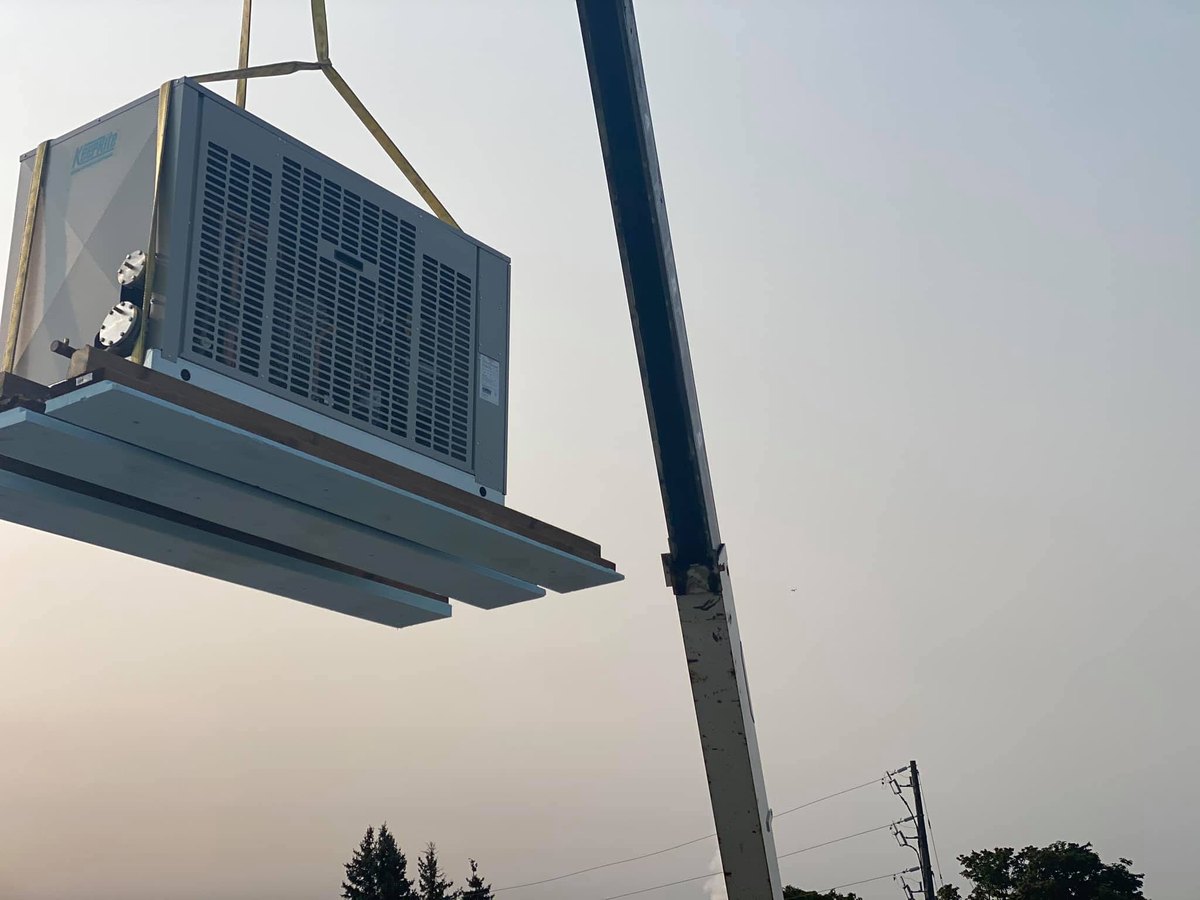
Define the refrigeration scope before selecting equipment
An installation request can involve a self-contained unit, a remote condensing system or refrigeration equipment serving an existing walk-in room. CooperFix first establishes which refrigeration components are within the work scope and how they connect to the business’s existing systems. That distinction shapes equipment selection, piping, controls and commissioning. It also prevents an installation discussion from silently expanding into unrelated building work outside CooperFix’s refrigeration service.
Self-contained units and display equipment
Reach-in refrigerators, commercial freezers and display units can contain their own refrigeration system. Installation still requires matching the unit to its operating environment, electrical supply and intended product load. Placement influences how the unit rejects heat and how staff can use it without obstructing its designed airflow. CooperFix considers those conditions, the manufacturer’s installation requirements and the setup of any fitted controls during the installation assessment.
After positioning and connecting an appropriate self-contained unit, the mechanic verifies that its fans, compressor and controls respond as intended. The operating temperature must move toward the specified range under observed conditions. A first reading is not proof of performance under every future product load, so the handover identifies what was observed and what the business should expect from normal operation. If the equipment or site requires additional electrical or other work, that scope is identified rather than silently assumed.
Capacity must match the business application
The unit selected for a commercial site has to suit its intended operating load, not merely fit the available space. CooperFix considers the refrigeration application, the equipment connected to the system and the conditions under which the business uses it. A display installation and chilled storage room present different loads and control needs. This assessment supports a defined refrigeration installation scope before components are connected and commissioned.
Remote condensing units and refrigerant line sets
A remote system divides the installation between the refrigerated space and its condensing equipment. The line set, evaporator, metering components, refrigerant and controls must be compatible with the selected system. Route length, elevation, support and access can affect the design and serviceability. CooperFix evaluates the existing or proposed arrangement before defining the piping and electrical work. Manufacturer requirements and the actual equipment determine the installation method.
Replacing a condensing unit does not automatically mean that the old refrigerant lines are suitable. Their size, condition, routing and compatibility with the intended refrigerant must be considered. A prior fault may also have left contamination or another condition in the circuit. If a line set can be retained, that decision should follow inspection and the equipment requirements. If it must change, the reason and scope should be explicit in the installation plan.
The circuit work includes the appropriate connection, pressure and tightness checks, evacuation and charging for the installed equipment. The mechanic then assesses operating pressures, temperatures, feed and heat rejection under the conditions available on site. The purpose is to commission a functioning system, not merely to show that the new unit starts.
Replacing the refrigeration system on an existing walk-in room
An existing walk-in cooler or freezer may be reused as a refrigerated space while its refrigeration equipment is changed. CooperFix’s scope is the refrigeration system: condensing equipment, evaporator, piping, electrical connection and controls as required. The replacement must suit the room’s application and load. A low-temperature freezer adds different defrost and operating demands from a chilled cooler, so a cooler design cannot simply be treated as a freezer at a lower setting.
The assessment identifies which refrigeration components are being retained and how the new components will interact with them. An undersized evaporator, incompatible expansion device, unsuitable controller sequence or poor condenser placement can prevent a new unit from delivering its intended capacity. A business needs to know whether the project is a direct equipment replacement or a wider refrigeration-system change. CooperFix explains that distinction before work proceeds.
Controls belong in the installation plan
The controller determines when cooling starts and stops, how fans operate and, where applicable, how defrost is initiated and ended. Probe type and location, wiring and parameter settings must match the equipment. A control fitted only because it appears similar to the old one can produce short cycling, poor temperature control or an incomplete defrost sequence. CooperFix assesses control compatibility as part of the installation rather than treating programming as an afterthought.
On a site with several systems, each unit’s controls must be understood in relation to the equipment they actually operate. A shared alarm or monitoring system may also need coordination, but its presence does not remove the need to commission each refrigeration circuit. The handover should identify the installed controller, the operating settings relevant to the equipment and what was verified during startup. For detailed controller work, see Commercial Refrigeration Controller Installation.
Routing and service access affect the installation plan
The location of condensing equipment, the route of refrigerant piping and access to installed components influence how a refrigeration system can be completed and maintained. CooperFix reviews those practical site conditions while defining the installation. The discussion stays focused on refrigeration equipment and its connections. A business can then understand which portions of the proposed work are on its site and what access will be needed during the job.
Site coordination and a defined scope
Commercial installation can involve equipment access, electrical capacity, safe placement, routing and operational timing. CooperFix discusses these with the business so the refrigeration work can be planned around the site. The mechanic confirms what the existing equipment and available services support; where another trade or a separate site decision is required, the dependency is recorded. No installation proposal should imply that every unseen condition has been resolved before an assessment.
The written scope should identify the equipment being installed, the components being replaced or retained, the refrigerant and control approach, and the work needed to connect and commission the system. If a business has several units, the scope should state which units are included. This gives the operator a meaningful basis to approve the work and distinguish the current installation from a later maintenance agreement or repair call.
The proposed sequence of work also matters at an operating site. A retailer may have to plan for a period when a display case is unavailable; a production site may have several units that cannot all be disconnected at once. CooperFix can describe the refrigeration work and dependencies so the business can make its own stock and operating arrangements. The plan should state which equipment will be affected during the installation and which existing systems are outside the scope. This prevents a new unit’s commissioning from being confused with the condition of other equipment on the premises.
Commissioning is the test of the completed installation
Once the equipment is connected, CooperFix verifies the electrical and refrigeration operation appropriate to the system. That can include motor direction and performance, fan operation, controller calls, refrigerant pressures and temperatures, defrost behaviour, and whether the refrigerated space or unit is moving toward its intended operating condition. On a remote system, the mechanic assesses both the evaporator side and the condensing equipment. Commissioning follows the installed design and manufacturer requirements.
A single startup does not prove every condition the business may encounter later. The report therefore separates what was measured during commissioning from operating behaviour that requires normal use or a different load. If a problem appears during the checks, it is addressed as part of the installation process or documented as a separate issue requiring a decision. The business receives a clear description of what is working, what settings were established and any limitations observed.
CooperFix brings 20+ Years of Experience to commercial refrigeration installation planning and commissioning. Ontario 313A licensed mechanics handle the refrigeration work and record the system’s response at startup. The installation scope and subsequent repair or maintenance requests are documented separately.