Walk-in freezer installation · Toronto & GTA

Walk-In Freezer Installation in Toronto & the GTA

A walk-in freezer requires a low-temperature refrigeration system designed to pull heat from frozen storage and manage frost through controlled defrost.

The equipment must also restart cooling correctly after defrost and operate with the conditions at its condensing unit. CooperFix installs and replaces walk-in freezer refrigeration equipment for commercial businesses in Toronto and the GTA. We assess the required load and the existing system, define the evaporator, condensing, piping, electrical and control work, and commission the finished system. The service concerns the refrigeration equipment serving the room. To discuss a new or replacement freezer system, use the existing request form or call (647) 483-3777.

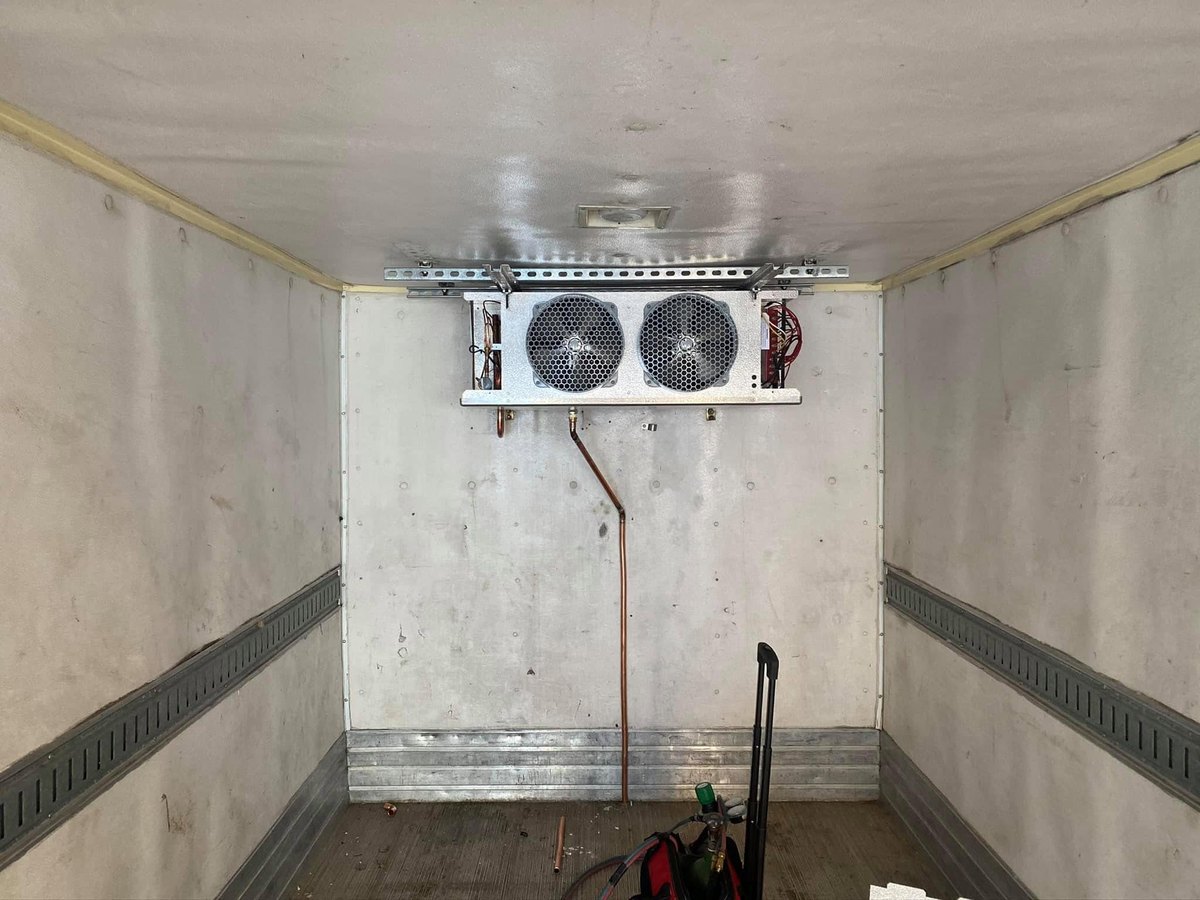
Interior of a newly built walk-in freezer
Walk-in freezer refrigeration installation.CooperFix · Toronto & GTA
Service request

Plan Walk-In Freezer Installation

647-483-3777

    Please prove you are human by selecting the tree.

    CooperFix services commercial refrigeration equipment only.

    What this service covers

    A freezer is a low-temperature system from the start

    Freezer equipment cannot be selected by taking a cooler system and lowering its controller setting. The refrigerant, compressor operating range, evaporator, metering device and defrost strategy all have to suit frozen storage. CooperFix considers the intended room temperature, product movement, expected load and existing site services before proposing a refrigeration arrangement. This is particularly important when replacing equipment that has struggled to recover or run reliably.

    The installation plan identifies what the new system must serve and how its components work together. A condensing unit that has a suitable nominal rating can still be a poor match for an existing evaporator or line set. A coil with inadequate capacity can leave the compressor running without delivering the expected room result. Controls that terminate defrost at the wrong point can cause frost accumulation or unnecessarily delay cooling. The mechanic checks these relationships as part of equipment selection.

    Confirm the low-temperature duty before equipment selection

    Freezer refrigeration operates under a different temperature and defrost duty from a chilled cooler. CooperFix reviews the intended frozen-storage use and the refrigeration equipment needed to serve it before selecting components. Evaporator capacity, condensing capacity and controls must work as one low-temperature system. This assessment defines the refrigeration installation and the checks needed when the equipment starts operating.

    Evaporator selection and room airflow

    The freezer evaporator removes heat at a low operating temperature while its fans distribute air through the stored product area. Coil capacity, fan arrangement and defrost provisions need to suit the application. CooperFix reviews the proposed evaporator and its position in relation to the refrigeration system and expected load. The aim is to support stable cooling across the space while keeping the equipment accessible for service.

    Commissioning examines more than whether the fan spins. The mechanic checks the call for cooling, fan operation, refrigerant feed and temperature response under the available site conditions. If more than one evaporator serves the room, their circuits and controls need to be understood separately and as a system. A warm zone after installation may arise from a local feed or airflow problem even while the common condensing equipment is operating. The initial checks seek evidence that each installed part contributes to cooling.

    Defrost must clear frost and return the room to cooling

    At freezer temperatures, frost on the evaporator is an operating reality. The installation needs a defrost method suited to the selected equipment and a control sequence that starts, terminates and recovers appropriately. CooperFix connects the required defrost components and configures the controller against the system design. Electric defrost may be part of that design, but the equipment specification determines the arrangement. A timer setting copied from another unit is not a substitute for commissioning this freezer.

    The mechanic observes the defrost sequence when site conditions allow. The check includes whether cooling stops and restarts as intended, how the coil is cleared, when the fans resume and what temperature response follows. If the full operating cycle cannot be observed during the visit, that limitation is recorded. A freezer that briefly pulls down after startup but cannot complete its defrost sequence has not met the same commissioning standard as a stable system.

    Fan control after a freezer defrost cycle

    Defrost is not complete simply because heat has been applied to the coil. Fan delay and the return to cooling affect how air moves through a low-temperature room after the cycle. CooperFix includes the installed fans and controls in the refrigeration setup so their sequence supports the chosen evaporator. Commissioning verifies the response that can be observed at startup, while later operating loads remain a separate condition.

    Condensate management within the refrigeration system

    Water produced as the evaporator clears frost has to leave the refrigeration equipment without refreezing in a way that interrupts operation. The design of the drain connection and any specified heating belong to the freezer refrigeration scope. CooperFix assesses the installed route and the equipment requirements when connecting the evaporator. This is distinct from work on the walk-in room structure.

    The commissioning review considers whether the defrost and drainage arrangement functions together. A drain heater or related component must be correctly connected and controlled where the system calls for it. An unexplained icing pattern after startup can indicate a sequence or drainage problem and should be assessed as an equipment issue. The handover identifies what was installed and what was actually verified under the observed conditions.

    Condensing equipment and cold-weather operation

    Freezer condensing equipment may be located outdoors, where Toronto-area winter conditions can change the operating pressure available to the refrigeration circuit. An installation needs the appropriate head-pressure control or other design provisions specified for the equipment. CooperFix evaluates location, airflow, electrical services and the chosen unit’s operating requirements before connecting the system. The design must suit both summer heat rejection and colder conditions.

    Cold-weather behaviour cannot always be fully demonstrated during a warm-season commissioning visit. The mechanic checks the installed controls and operating readings available at the time and records any seasonal limitation. A new freezer that holds temperature on its first day is not proof that it will operate through every outdoor condition. Explicit commissioning records make later service more useful and help the business understand the basis for the equipment decision.

    Electrical protection must suit the installed equipment

    Motors, compressors, heaters and controls in a freezer refrigeration system have distinct electrical duties. CooperFix defines the refrigeration components and their control connections as part of the installation scope. The mechanic checks that the installed equipment responds through its intended operating and protective sequence. A component with the right nameplate capacity is not enough if its controls and connected circuit do not operate together.

    Refrigerant piping and electrical integration

    The low-temperature refrigerant circuit depends on suitable piping, metering and charge for the selected equipment. If this is a replacement, the existing line set is assessed for size, condition and compatibility. A new compressor should not inherit a known contamination or piping problem without an explicit plan. CooperFix defines the circuit work, completes the required connections and performs appropriate pressure, tightness, evacuation and charging steps for the equipment.

    The electrical and control work must support the compressor, evaporator fans, defrost components, heaters and protective devices installed. CooperFix checks what the site can provide and identifies any separate electrical dependency before the work is booked. Startup includes verifying that the equipment responds to the controller’s calls and that protection devices are not simply bypassed to make the unit run. A safe, understandable control sequence is part of a functioning freezer.

    Replacing an existing freezer system

    An existing freezer may have a failed major component, recurring defrost problems or insufficient capacity for the business’s present use. CooperFix reviews the history and installed equipment before deciding what can remain. A focused replacement might be suitable when the rest of the system is compatible and in sound condition. In other cases, the evaporator, condensing equipment, refrigerant piping or controls need coordinated changes. The proposal identifies that scope and the reason for it.

    This decision matters because a new part can be undermined by an old incompatible component. A condensing unit selected without the actual freezer load may struggle to pull down. A retained evaporator with unsuitable defrost provisions can continue to ice. The mechanic explains the relationship between the old and new components so the business can approve a defined refrigeration project rather than an undefined attempt to improve performance.

    CooperFix’s 20+ Years of Experience supports low-temperature walk-in freezer installation from refrigeration planning through commissioning. Its Ontario 313A licensed mechanics work on the low-temperature refrigeration system, including the relevant defrost and control functions. The commissioning record describes the installed equipment and the observed startup response.

    CooperFix · Refrigeration Experts

    Installation assessed for freezer operating conditions

    20+Years of experience
    313AMechanic
    ODP/ODSCertified
    Emergency

    Emergency calls after a walk-in freezer installation

    A new walk-in freezer that stops pulling down while product is already inside is an emergency call: 647-483-3777. Emergency calls are received and assessed 24/7. Availability and response depend on location, workload and the repair required. Planning a new freezer room is not an emergency and is booked through the request form.

    Service request

    Request a Walk-In Freezer Installation

    Request low-temperature refrigeration installation for a walk-in freezer. CooperFix will review the evaporator, condensing equipment, defrost controls and commissioning needs for the selected system.

    647-483-3777

      Please prove you are human by selecting the truck.

      CooperFix services commercial refrigeration equipment only.

      Verify the system through its available startup sequence

      Commissioning a freezer includes more than observing a brief drop in room temperature. CooperFix checks the installed refrigeration circuit, controls, fan response and defrost functions that can be exercised under the conditions available. The record identifies what was tested and what will depend on later product loading and site operation. This distinction gives a business a precise account of startup without claiming that every future frozen-storage condition has already occurred.

      Create a Commissioning Baseline for Future Freezer Service

      A completed freezer installation needs an operating record that identifies the equipment and the conditions available during commissioning. CooperFix records the selected refrigerant, control settings, relevant pressure and temperature relationships, fan response and the defrost functions exercised at startup. Those values describe the new refrigeration system on that day; they do not replace later diagnosis under a different load or season. When a future service call occurs, the model information and commissioning observations give the mechanic a defined starting point for comparison. The business also receives a clear record of the refrigeration work completed and any operating condition that remains outside the installation scope.

      Freezer commissioning and operating record

      CooperFix checks the installed freezer system through the operating conditions available at startup: electrical operation, refrigerant pressures and temperatures where appropriate, evaporator and fan response, controls, defrost provisions and room temperature movement. The exact tests follow the equipment and manufacturer requirements. The report distinguishes observed results from conditions that require a later season or normal business load to evaluate.

      The handover records the installed equipment, relevant controller settings and any limitation found. It also identifies which circuits or evaporators serve the room if there are several. This provides a basis for walk-in freezer maintenance and, if a later fault develops, walk-in freezer repair. The business can discuss the installation using the existing form without preparing a technical specification itself.

      For a business replacing a system while the site remains active, the sequence of refrigeration work should identify when the existing cooling circuit is taken out of service, what equipment is being connected and when commissioning can begin. CooperFix can describe these dependencies so the operator can make its own decisions about stock and operations. The mechanic’s handover confirms the state of the new system observed at completion; it is not a blanket assurance about products held during the changeover or about equipment outside the agreed installation scope.

      The freezer installation record should also be useful to the next mechanic. It identifies the refrigerant and connected components, the control arrangement, the defrost method and the measured startup condition. If an alarm appears in a later season, the service team can compare the actual system with a known commissioning baseline instead of guessing how it was intended to operate. That value is particularly high when more than one evaporator or room shares condensing equipment.

      Questions

      Walk-in freezer installation questions

      Can CooperFix install refrigeration equipment on an existing walk-in freezer?

      Yes, the existing room can be evaluated for replacement low-temperature refrigeration equipment. CooperFix assesses the freezer load and installed evaporator, condensing equipment, piping and controls. The work scope identifies which refrigeration components can remain and which must change for the selected system.

      Is a freezer installation the same as a cooler installation at a colder setting?

      No. A freezer has low-temperature compressor and refrigerant requirements, a different evaporator operating condition and a defrost sequence suited to frost removal. CooperFix designs and commissions the refrigeration system for frozen storage rather than changing only the setpoint of a cooler controller.

      What is included in the evaporator installation?

      The scope can include the selected coil and fans, refrigerant connections, required electrical and control connections, and the defrost and drainage components specified for the equipment. The exact arrangement depends on the selected system and existing installation. Commissioning checks how the evaporator operates as part of the full freezer circuit.

      Why does defrost matter on a new freezer?

      Frost reduces the coil’s ability to transfer heat and can affect airflow. The installed defrost system must clear the coil and allow cooling and fan operation to resume in the proper sequence. CooperFix checks the installed controls and observes the sequence when conditions allow, recording any limit on what could be demonstrated at startup.

      What happens if the condensing unit is outdoors?

      Its location and controls must suit both heat rejection and the colder conditions the unit may encounter. CooperFix evaluates the selected equipment’s requirements and the site arrangement. Commissioning records the conditions actually observed, since a warm-day visit cannot demonstrate every winter operating condition.

      Can the existing refrigerant lines be reused?

      Reuse depends on their size, condition, route and compatibility with the selected refrigerant and equipment. CooperFix evaluates them before confirming the replacement scope. If circuit history suggests contamination or another issue, the plan has to address it rather than assuming a new unit can use the old lines unchanged.

      How is the installed freezer handed over?

      The mechanic records the equipment and work completed, relevant control settings and measured response during startup. Checks can include electrical operation, refrigerant circuit behaviour, evaporator and fan performance, defrost and room temperature movement. The report states what was verified and any operating condition that could not be demonstrated during the visit.

      What should I provide when asking for installation?

      The business location, a contact, whether the project is new or replacement, and the intended frozen-storage use are enough to start the discussion. CooperFix’s mechanic assesses the equipment, load and technical design, then defines the freezer refrigeration components and controls appropriate to the site.